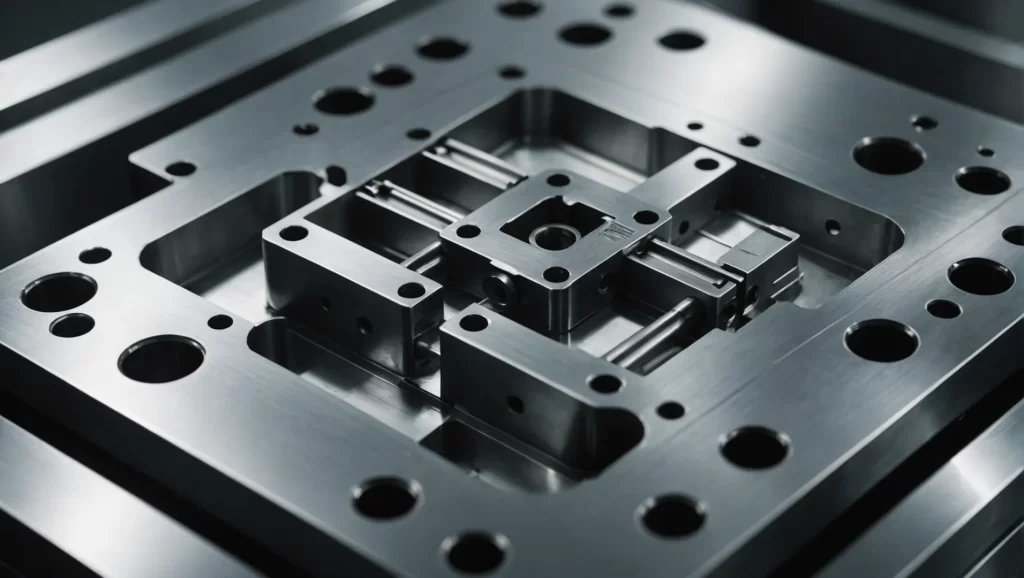
Moulds are critical tools in manufacturing processes such as injection moulding, die casting, and blow moulding. These tools are subjected to extreme conditions — including high temperatures, pressures, friction, and corrosive environments — which can significantly degrade their surface quality and structural integrity over time. To enhance the performance and extend the service life of moulds, surface coatings play an essential role.
Importance of Surface Coatings
Surface coatings serve as a protective layer between the mould surface and the operational environment. Their primary functions include:
Reducing wear and abrasion
Enhancing corrosion resistance
Minimizing adhesion of materials (anti-sticking)
Improving thermal stability
Reducing the need for lubrication
Enhancing surface hardness
These benefits collectively contribute to extended tool life, improved product quality, and reduced maintenance costs.
Types of Surface Coatings
Several types of surface coatings are available depending on the moulding application, material, and operating conditions. Some of the most commonly used coatings include:
1. Physical Vapor Deposition (PVD) Coatings
Examples: Titanium Nitride (TiN), Chromium Nitride (CrN), Titanium Aluminum Nitride (TiAlN)
Benefits: High hardness, excellent wear resistance, low friction, and good thermal stability.
Applications: High-precision moulds, injection moulding of abrasive plastics.
2. Chemical Vapor Deposition (CVD) Coatings
Examples: Silicon Carbide (SiC), Diamond-Like Carbon (DLC)
Benefits: Superior adhesion, high-temperature resistance, and durability.
Applications: High-temperature or chemically aggressive moulding environments.
3. Thermal Sprayed Coatings
Examples: Tungsten Carbide, Chromium Oxide
Benefits: Thick coating layers, excellent wear and corrosion resistance.
Applications: Large moulds, die-casting applications.
4. Electroless Nickel Plating
Benefits: Uniform thickness, corrosion resistance, and good release properties.
Applications: Moulds requiring high precision and dimensional stability.
5. Nitriding and Carburizing
Benefits: Case hardening of the steel surface, increased wear and fatigue resistance.
Applications: Steel moulds for thermoplastics and thermosets.
Factors Influencing Coating Selection
When selecting a surface coating for a mould, consider the following factors:
Type of mould material
Moulding temperature and pressure
Type of polymer or material being processed
Cycle time and production volume
Required surface finish and part release properties
Maintenance and recoating feasibility
Advantages of Using Surface Coatings
Extended mould life by resisting degradation
Improved part quality due to smoother surfaces and better release
Reduced downtime and maintenance frequency
Lower operational costs over time
Enhanced productivity through faster cycle times
Conclusion
Investing in the right surface coating for moulds is a strategic decision that significantly impacts tool longevity, process efficiency, and product quality. By carefully selecting coatings based on operating conditions and material compatibility, manufacturers can greatly improve the durability and reliability of their moulds — ultimately leading to enhanced profitability and competitive advantage.