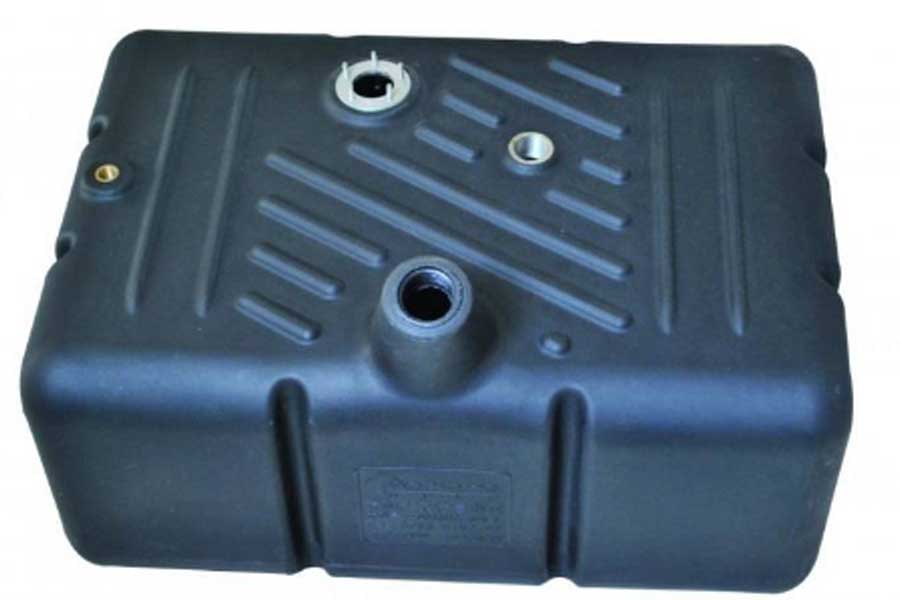
1. Adoption of Multi-Layer Construction
Modern blow moulded fuel tanks increasingly use multi-layer structures. These tanks commonly incorporate six or more layers, including:
HDPE (High-Density Polyethylene) for structural integrity,
EVOH (Ethylene Vinyl Alcohol) for hydrocarbon barrier properties,
Adhesive layers for bonding,
Recycled or regrind layers for sustainability and cost-efficiency.
This trend enhances fuel permeation resistance and complies with stringent emission regulations.
2. Emphasis on Emission Compliance
Environmental regulations such as the U.S. EPA Tier 3, CARB, and Euro 6/7 drive innovation in tank designs:
Manufacturers use low-permeation materials and advanced sealing techniques.
Integrated Onboard Refueling Vapor Recovery (ORVR) systems reduce fuel vapor emissions.
There is a push toward zero-evaporative emission designs, especially for hybrid and EV range extenders.
3. Integration with Vehicle Architecture
To optimize space and reduce weight:
Tanks are now designed to be vehicle-specific, often shaped to fit around other components.
CAD/CAE-based simulations help in predicting slosh dynamics, structural stresses, and mold flow before production.
Topology optimization ensures minimal material usage with maximum strength.
4. Modular and Functional Integration
There’s a shift towards modular tank systems that integrate:
Fuel pumps,
Sensors,
Fill necks,
Ventilation valves.
This reduces assembly steps, lowers production costs, and improves reliability.
5. Lightweighting and Material Innovation
Reducing vehicle weight remains a key goal. Trends include:
Thinner wall construction using reinforced HDPE or nanocomposites,
Foamed layers to reduce density without compromising strength,
Use of bio-based or recycled polymers to enhance sustainability.
6. Electric and Hybrid Vehicle Adaptation
With EVs and hybrids, the role of fuel tanks is shifting:
Smaller tanks are being developed for plug-in hybrids.
Demand is growing for blow moulded battery cooling components, leveraging similar technologies.
Flexible fuel compatibility (biofuels, ethanol blends) is becoming a key design parameter.
7. Process Automation and Quality Control
Automation in blow moulding enhances precision and throughput:
Robotic trimming and leak testing improve consistency.
In-line monitoring systems check wall thickness, temperature, and pressure.
Industry 4.0 tools such as predictive maintenance and data analytics are increasingly used in manufacturing.
8. Globalization and Local Production
OEMs aim to streamline supply chains:
Blow moulded tank suppliers are setting up localized production units near assembly plants.
Global design, local manufacture strategy helps in reducing lead times and logistic costs.
Future Outlook
Hydrogen storage and flex-fuel tanks will open new avenues for blow moulding technologies.
Sustainability will remain central, pushing for full recyclability and reduced carbon footprint.
Advanced simulation tools, AI-driven design, and digital twins will become mainstream for design optimization.