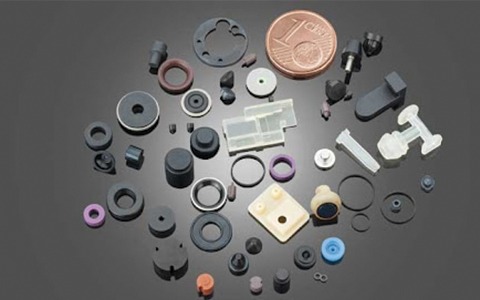
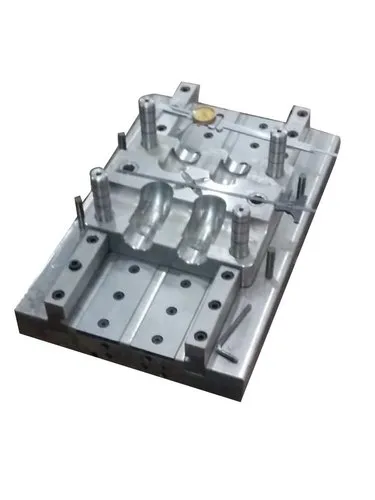
Micro-moulding is a precision manufacturing process used to produce small, intricate plastic components with high accuracy. In the cosmetics industry, where innovation, miniaturization, and aesthetic appeal play critical roles, micro-moulding has emerged as a transformative technology. It enables the production of compact, functional, and visually appealing components used in cosmetic packaging, applicators, and devices.
What is Micro-Moulding?
Micro-moulding is a specialized form of injection moulding that produces parts with dimensions typically measured in microns. These parts often weigh less than a gram and feature highly detailed geometries that traditional moulding methods cannot achieve. The process utilizes advanced moulds, high-precision injection machines, and materials optimized for performance at a micro scale.
Applications in the Cosmetics Industry
Precision Applicators
Mascara brushes, lip gloss wands, and eyeliner tips are now manufactured with micro-moulding to enhance performance and user experience.
These components require soft, flexible materials with intricate designs for precise application.
Miniature Packaging Components
Compact closures, snap-fit caps, valves, and dispensing mechanisms rely on micro-moulding for seamless functionality.
This allows for sleek, travel-friendly packaging without compromising on durability or aesthetics.
Airless Pump Systems
Micro-moulded valves and pistons in airless dispensers maintain product integrity by preventing contamination and oxidation.
These are essential for skincare serums and high-end cosmetic products that are sensitive to air exposure.
Luxury and Custom Designs
High-end brands utilize micro-moulding to create bespoke textures, logos, or sculpted features on small packaging elements.
This adds brand distinction and elevates the product’s perceived value.
Advantages of Micro-Moulding in Cosmetics
Precision & Consistency: Ensures uniform quality across large production volumes, critical for brand consistency.
Miniaturization: Enables smaller, lighter components ideal for on-the-go beauty products.
Design Flexibility: Supports complex geometries and integrated multi-function components.
Material Efficiency: Minimizes waste and supports use of biodegradable or recycled polymers.
Enhanced User Experience: Enables better control and ergonomics for applicators and dispensers.
Challenges and Considerations
Tooling Costs: The precision required in micro-moulding demands advanced and expensive tooling.
Material Limitations: Not all cosmetic-grade materials are suitable for micro-moulding, especially where biocompatibility and flexibility are needed.
Quality Control: Inspection and measurement of micro parts require specialized metrology equipment.
Future Trends
Sustainable Materials: Incorporation of bio-based polymers and recyclable plastics tailored for micro-moulding processes.
Smart Packaging: Integration of micro-components for tech-enabled packaging (e.g., sensors, dose counters).
Personalization: Increasing use of micro-moulding in customizable beauty tools and applicators.
Conclusion
Micro-moulding is rapidly redefining the manufacturing standards in the cosmetics industry. With its ability to produce ultra-small, highly detailed components, it supports the industry’s push toward innovation, sustainability, and consumer personalization. As cosmetic brands continue to blend science with design, micro-moulding will play an integral role in delivering the next generation of beauty products.