1. Introduction
Vacuum pressure plays an important role in many manufacturing processes, including thermoforming, injection moulding, compression moulding, resin casting, and plastic product manufacturing. It helps remove trapped air, improves material contact with mould surfaces, and supports the production of high-quality products with fewer defects.
In manufacturing, vacuum pressure refers to the pressure created when air and other gases are removed from an enclosed space, reducing the pressure below atmospheric pressure. The correct vacuum level depends on the material, mould design, product shape, and manufacturing process.
Proper vacuum pressure can improve product accuracy, surface finish, strength, and consistency. However, an unsuitable vacuum level or poorly controlled vacuum system can cause defects, uneven material distribution, and production problems.
2. What Is Vacuum Pressure?
Vacuum pressure is the pressure inside a space that is lower than the surrounding atmospheric pressure.
At normal atmospheric conditions, air exerts pressure on objects and surfaces. When air is removed from a closed chamber or mould cavity, the internal pressure decreases, creating a vacuum.
Vacuum pressure is commonly measured in:
- Pascals (Pa): The standard SI unit of pressure.
- Kilopascals (kPa): Commonly used in industrial vacuum systems.
- Millibars (mbar): Used for measuring low pressures.
- Millimetres of mercury (mmHg): Used in some vacuum measurement systems.
Vacuum measurements can be expressed as absolute pressure or gauge vacuum.
- Absolute pressure: The actual pressure remaining inside the system, measured relative to a perfect vacuum.
- Gauge vacuum: The difference between atmospheric pressure and the pressure inside the system.
For example, if atmospheric pressure is approximately 101.3 kPa and the absolute pressure inside a system is 20 kPa, the vacuum level is approximately 81.3 kPa below atmospheric pressure.
Understanding these measurements is essential for setting and monitoring vacuum systems accurately.
3. Why Is Vacuum Pressure Important in Manufacturing?
Vacuum pressure helps manufacturers control the movement of air, the positioning of materials, and the formation of products inside moulds.
Its main purposes include:
A. Removing Trapped Air
Air can become trapped between the material and the mould surface during production. This trapped air may create bubbles, cavities, surface marks, or incomplete forming.
A vacuum system removes air from the mould cavity, allowing the material to make better contact with the mould.
B. Improving Mould Surface Contact
In processes such as vacuum thermoforming, a vacuum pulls heated plastic sheets against the mould surface. This helps the material reproduce the mould’s shape and surface details.
C. Reducing Air Bubbles
Vacuum degassing is commonly used with certain resins, silicone compounds, and casting materials to remove entrained air before curing.
Reducing air bubbles can improve appearance and, depending on the material and application, mechanical performance.
D. Improving Product Consistency
A properly controlled vacuum system helps maintain consistent production conditions. This can reduce variations in product dimensions, surface finish, and overall appearance.
E. Supporting Complex Shapes
Vacuum assistance can help materials reach small details, recessed areas, and complex contours that might otherwise be difficult to reproduce.
However, vacuum alone cannot correct every design or processing problem. Material temperature, viscosity, mould geometry, vent placement, and cycle timing must also be controlled.
4. Effect of Vacuum Pressure on Product Quality
The vacuum level directly affects how well air is removed and how materials interact with the mould. The results depend on the manufacturing process and the properties of the material being used.
| Product Quality Factor | Effect of Proper Vacuum Pressure | Possible Effect of Incorrect Vacuum |
|---|---|---|
| Surface finish | Produces smoother, more uniform surfaces | May cause surface marks, bubbles, or incomplete contact |
| Dimensional accuracy | Helps material follow the mould geometry | May result in incomplete forming or dimensional variation |
| Air bubble reduction | Removes trapped air from suitable materials and systems | Bubbles may remain if vacuum is insufficient or poorly applied |
| Detail reproduction | Helps reproduce fine mould features | Small details may be missing or poorly defined |
| Product strength | Can reduce voids that weaken certain products | Remaining voids may reduce strength |
| Material distribution | Supports more uniform forming in suitable processes | Thin areas or uneven wall thickness may occur |
| Production consistency | Helps maintain repeatable results | Variations may increase if vacuum fluctuates |
| Product appearance | Improves clarity and overall finish where applicable | Visible defects may reduce product quality |
It is important to remember that stronger vacuum does not automatically produce a better product. The correct level depends on the process and the material.
5. Effect of Vacuum Pressure in Thermoforming
Thermoforming is one of the most common manufacturing processes in which vacuum pressure is used.
During vacuum thermoforming, a plastic sheet is heated until it becomes sufficiently soft. The sheet is then positioned over or around a mould, and air is evacuated from the space between the sheet and the mould.
The pressure difference causes the softened plastic to conform to the mould surface.
Benefits of Proper Vacuum Pressure
1. Better shape formation
The plastic sheet follows the mould’s contours more accurately when sufficient pressure difference is established.
2. Improved detail reproduction
Small features, edges, and surface details can be reproduced more clearly when the material makes good contact with the mould.
3. Reduced air pockets
Removing air from between the plastic and the mould helps prevent pockets that can interfere with forming.
4. Improved product consistency
A stable vacuum level and repeatable cycle time help produce similar parts across production runs.
Problems Caused by Insufficient Vacuum
If the vacuum is too weak, air may remain trapped between the plastic and the mould.
Common defects include:
- Incomplete forming.
- Rounded or poorly defined corners.
- Missing surface details.
- Wrinkles or folds.
- Uneven contact with the mould.
- Inconsistent product dimensions.
Problems Caused by Excessive or Poorly Timed Vacuum
A high vacuum level is not necessarily harmful in every process, but applying it at the wrong time or under unsuitable conditions can contribute to defects.
For example:
- A plastic sheet that is too hot may stretch excessively and develop thin areas.
- A sheet that is too cold may not form properly even under strong vacuum.
- Poor mould venting may prevent air from escaping quickly enough.
- Excessive material stretching may cause local thinning and weaken the finished product.
Best practice: Coordinate vacuum level with sheet temperature, mould design, material thickness, venting, and forming time.
6. Effect of Vacuum Pressure in Injection Moulding
Injection moulding involves injecting molten material into a mould cavity under pressure. Vacuum systems may be used to evacuate air from the cavity before or during filling.
Although vacuum is not required in every injection moulding process, it can be valuable when producing components with complex geometries or demanding surface-quality requirements.
Benefits of Vacuum Assistance
- Reduces air trapped inside the mould cavity.
- Helps minimise certain air-related surface defects.
- Can improve filling of difficult mould features.
- May reduce burn marks associated with trapped and compressed gases.
- Can support more consistent product appearance.
Defects Related to Trapped Air
If air cannot escape effectively, the moulded part may develop:
- Burn marks.
- Air pockets or voids.
- Short shots, where the cavity is not completely filled.
- Poor surface finish.
- Incomplete reproduction of fine details.
Vacuum assistance can help, but it is not the only solution. Proper venting, gate design, injection speed, melt temperature, and mould temperature are also important.
Important Consideration
Vacuum pressure must be coordinated with the injection cycle. A vacuum system that cannot remove air quickly enough, or that is poorly positioned, may provide little improvement.
7. Effect of Vacuum Pressure in Compression Moulding
Compression moulding uses heat and pressure to shape material inside a mould. Vacuum-assisted compression moulding may be used to remove air and gases before the mould is fully closed or while the material is being compressed.
This technique is useful for selected thermosetting compounds, rubber materials, composite materials, and other applications where trapped air can affect product quality.
Advantages
Reduced porosity: Removing trapped air can reduce internal voids in suitable materials.
Improved surface finish: Fewer air pockets may result in a smoother surface.
Better material consolidation: Vacuum assistance can help remove gases and improve contact between the material and mould surfaces.
Improved repeatability: Controlled vacuum conditions may reduce variations between production cycles.
Common Problems
If the vacuum level or timing is unsuitable, the process may experience:
- Residual air pockets.
- Incomplete cavity filling.
- Material leakage or flash, depending on the mould and process.
- Uneven consolidation.
- Longer cycle times.
- Inconsistent product quality.
Vacuum should be used with appropriate mould-closing sequences, temperature settings, pressure settings, and material preparation procedures.
8. Effect of Vacuum Pressure in Resin Casting
Vacuum is widely used in certain resin-casting applications to remove bubbles from liquid or viscous materials before they are poured or cured.
Air may enter resin during mixing, pouring, or handling. If the bubbles remain trapped during curing, they can create visible defects or weaken the finished component.
Benefits of Vacuum Degassing
- Reduces bubbles trapped during mixing.
- Improves clarity in suitable transparent castings.
- Enhances surface appearance.
- Can reduce voids in decorative and technical components.
- Improves consistency when the process is properly controlled.
What Happens When Vacuum Is Insufficient?
The resin may retain bubbles that become visible after curing. These bubbles can affect the appearance of transparent products and may reduce mechanical performance in applications where internal voids are critical.
What Happens When Vacuum Is Too Strong or Applied Incorrectly?
Some resins foam or expand significantly under reduced pressure. If the container is too small or the process is poorly controlled, the material may overflow.
Vacuum can also cause volatile components to evaporate more readily. Depending on the resin formulation, this may change the material’s properties or affect curing.
Best practice: Follow the resin manufacturer’s instructions for degassing pressure, duration, container size, working time, and curing conditions. Not every resin requires or tolerates the same vacuum treatment.
9. Common Vacuum-Related Defects and Their Solutions
| Defect | Possible Cause | Recommended Solution |
|---|---|---|
| Incomplete forming | Insufficient vacuum, leaks, or poor venting | Check vacuum level, seals, and vent passages |
| Air bubbles | Inadequate degassing or air trapped during filling | Improve mixing and degassing procedures |
| Surface marks | Poor mould contact or trapped air | Inspect mould surfaces and vacuum passages |
| Uneven thickness | Incorrect material temperature or excessive stretching | Adjust heating and forming conditions |
| Burn marks in moulded parts | Trapped gases or inadequate venting | Improve venting and review filling conditions |
| Internal voids | Air or gas remaining in the material | Review vacuum application and material preparation |
| Inconsistent product dimensions | Fluctuating vacuum or inconsistent process conditions | Calibrate sensors and stabilise the process |
| Material foaming during degassing | Vacuum applied too quickly or unsuitable container size | Reduce pressure gradually and provide sufficient headspace |
| Slow vacuum response | Blocked lines, undersized equipment, or leakage | Inspect hoses, filters, valves, and pump capacity |
| Poor detail reproduction | Insufficient pressure difference or inadequate venting | Review vacuum level, vent placement, and material conditions |
These are possible causes rather than definitive diagnoses. The actual cause should be confirmed by inspecting the equipment and the production process.
10. Factors That Affect Vacuum Pressure
Several factors determine how effectively a vacuum system operates.
A. Vacuum Pump Capacity
The pump must be capable of removing air at a suitable rate for the size of the chamber, mould, or production system.
An undersized pump may take too long to reach the required pressure, particularly when the system has leaks or high gas loads.
B. Mould Design
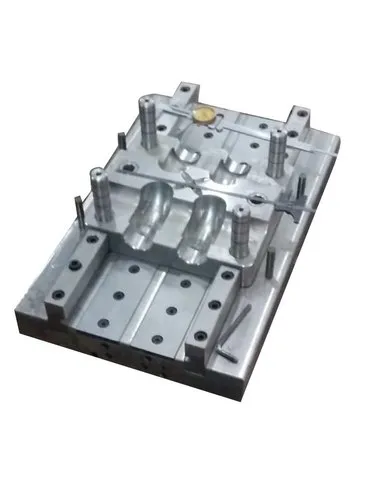
The mould must allow trapped air to escape. Properly positioned vacuum ports and vent channels are especially important when forming complex shapes.
Poorly designed or blocked passages may prevent air from being removed from critical areas.
C. Sealing Quality
Leaks around seals, gaskets, hoses, and connections allow outside air to enter the system.
Even a powerful vacuum pump may struggle to achieve stable pressure if the system has significant leakage.
D. Material Properties
Materials differ in viscosity, elasticity, temperature sensitivity, gas content, and volatility.
For example, a highly viscous resin may release bubbles slowly, while a softened plastic sheet may stretch excessively under unsuitable forming conditions.
E. Temperature
Temperature can influence material flow, viscosity, gas release, and the rate at which materials form or cure.
Vacuum settings should therefore be selected alongside suitable material and mould temperatures.
F. Vacuum Application Time
The duration of vacuum application is important. Insufficient time may leave residual air, while excessive exposure may lengthen production cycles or affect sensitive materials.
The required time depends on the process, system volume, material properties, and equipment capacity.
G. Vent and Filter Condition
Blocked vents, dirty filters, or restricted vacuum lines can reduce airflow and delay pressure changes.
Routine cleaning and inspection help maintain consistent performance.
11. How to Select the Correct Vacuum Pressure
There is no single vacuum pressure that is ideal for every manufacturing process. The correct setting should be established using the equipment specifications, material requirements, and product-quality targets.
Follow these steps:
Step 1: Identify the Manufacturing Process
Determine whether vacuum is being used for thermoforming, injection moulding, compression moulding, resin degassing, or another process.
Each application has different pressure requirements and risks.
Step 2: Check Material Specifications
Review the manufacturer’s recommendations for processing temperature, viscosity, degassing, forming, and curing.
Some materials are sensitive to excessive vacuum or prolonged exposure.
Step 3: Inspect the Mould and Vacuum System
Check the vacuum pump, hoses, seals, valves, filters, ports, and vent passages.
Repair leaks and remove blockages before changing process settings.
Step 4: Establish a Baseline Setting
Begin with the equipment manufacturer’s recommended setting or an established, validated process setting.
Avoid selecting an arbitrary vacuum value without considering the material and equipment.
Step 5: Conduct Trial Runs
Produce test samples and evaluate their appearance, dimensions, surface finish, and internal structure where relevant.
Change one process variable at a time whenever practical, so the effect of each adjustment can be identified.
Step 6: Record the Results
Document vacuum level, application time, temperature, cycle time, and product inspection results.
These records help identify the conditions that produce the most consistent quality.
Step 7: Standardise the Process
Once suitable conditions are established, document the approved settings and inspection requirements.
Continue monitoring the process to identify drift or equipment deterioration.
12. How to Maintain a Vacuum System
Regular maintenance is essential for reliable vacuum performance.
Recommended maintenance practices include:
- Inspect vacuum hoses and connections for cracks, wear, or loose fittings.
- Check seals and gaskets for damage.
- Clean vacuum ports and vent passages regularly.
- Replace filters according to the maintenance schedule.
- Monitor pump performance and follow the manufacturer’s servicing instructions.
- Check pressure sensors and gauges for accuracy.
- Inspect valves and control systems for correct operation.
- Investigate unexpected changes in evacuation time.
- Record maintenance activities and vacuum performance.
- Use suitable leak-testing procedures to identify pressure losses.
A vacuum system should be maintained according to the manufacturer’s instructions and the conditions in which it operates.
13. Measuring and Monitoring Vacuum Pressure
Accurate measurement helps ensure that the process remains stable.
Common monitoring equipment includes:
Vacuum gauges: Display the pressure inside a chamber or vacuum line.
Absolute pressure sensors: Measure pressure relative to a perfect vacuum and are useful when precise pressure control is required.
Pressure switches: Trigger actions when pressure reaches a specified threshold.
Vacuum controllers: Regulate vacuum generation and, in some systems, automate pressure and timing sequences.
For better process control, manufacturers should monitor not only the final vacuum level but also how quickly the system reaches it and whether it remains stable during production.
A system that reaches the correct pressure too slowly may still cause quality problems if the manufacturing cycle requires faster evacuation.
14. Safety Precautions When Using Vacuum Systems
Vacuum equipment must be operated safely to prevent equipment damage and injury.
Important precautions include:
- Use chambers, containers, and components rated for the intended vacuum conditions.
- Never use ordinary glass containers for vacuum applications unless they are specifically designed and rated for that service.
- Inspect vacuum chambers for cracks, corrosion, and other damage.
- Use suitable protective guards and follow equipment operating procedures.
- Keep hands and loose objects away from moving pump components.
- Ensure adequate ventilation when processing materials that release hazardous or volatile vapours.
- Follow the material manufacturer’s instructions for resin degassing and other vacuum processes.
- Do not exceed the pressure, temperature, or operating limits specified by the equipment manufacturer.
- Release vacuum in accordance with the approved procedure before opening a chamber.
Important: Vacuum equipment can create implosion hazards if containers or chambers are not designed for vacuum service. Proper equipment selection and inspection are essential.
15. Best Practices for Improving Product Quality
To obtain consistent results, manufacturers should focus on the complete process rather than vacuum pressure alone.
- Use the correct vacuum level: Match the setting to the material, mould, and manufacturing method.
- Maintain airtight connections: Check seals and hoses for leaks.
- Ensure effective venting: Provide suitable air-removal paths in the mould.
- Control temperature: Maintain appropriate material and mould temperatures.
- Optimise vacuum timing: Apply vacuum at the correct stage of the production cycle.
- Inspect finished products: Look for bubbles, voids, incomplete forming, surface marks, and dimensional variation.
- Monitor equipment performance: Track evacuation time, pressure stability, and maintenance requirements.
- Document process settings: Use production records to maintain repeatability.
- Train operators: Ensure that staff understand vacuum controls, common defects, and safe operating procedures.
- Validate changes: Confirm that adjustments improve quality without creating other defects.
Conclusion
Vacuum pressure is an important factor in manufacturing processes such as thermoforming, injection moulding, compression moulding, and resin casting. When properly controlled, it can help remove trapped air, improve mould contact, enhance surface finish, reproduce fine details, and reduce certain product defects.
However, vacuum pressure alone cannot guarantee high-quality products. Mould design, material properties, temperature, venting, equipment condition, and cycle timing also play important roles.
The key to achieving better product quality is to use the correct vacuum level, maintain a reliable vacuum system, and continuously monitor the results. By combining suitable vacuum settings with proper process control, manufacturers can reduce defects, improve consistency, and increase production efficiency.