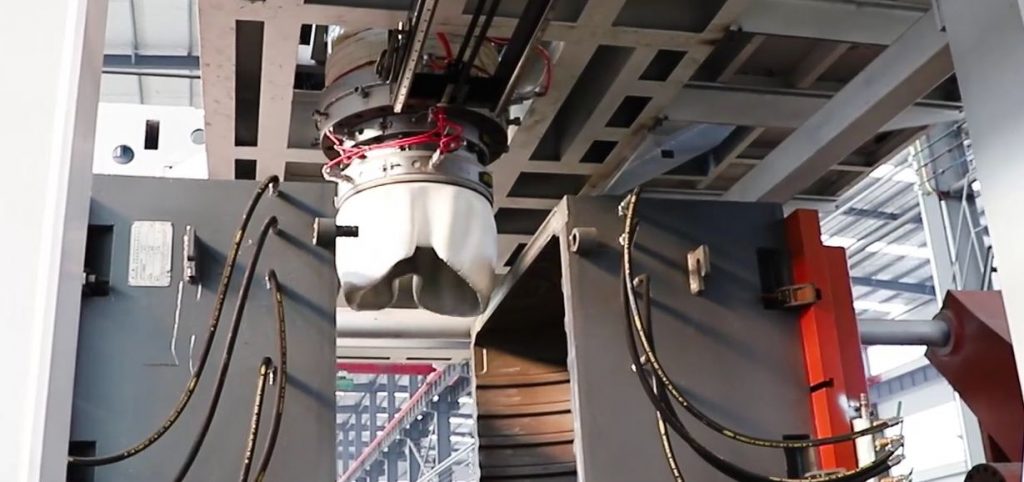
Wall thickness is a critical parameter in the manufacturing of hollow or semi-hollow components, such as pipes, bottles, automotive parts, and aerospace components. Proper control of wall thickness ensures product quality, structural integrity, material efficiency, and compliance with design specifications.
1. Importance of Wall Thickness Control
Structural Performance: Ensures strength, durability, and resistance to internal/external pressures.
Material Efficiency: Minimizes waste and cost by optimizing the amount of material used.
Product Uniformity: Prevents weak spots, warping, and dimensional inaccuracies.
Process Reliability: Reduces the likelihood of defects and rework in production lines.
2. Techniques for Wall Thickness Control
A. Process Parameter Optimization
Extrusion Speed and Temperature: Adjusting the die temperature and screw speed in extrusion to maintain consistent melt flow.
Blow Pressure and Timing (Blow Molding): Proper synchronization of parison inflation and mold closing time.
Injection Pressure and Cooling Rate (Injection Molding): Helps control how material fills and solidifies within the mold.
B. Die and Mold Design
Die Gap Adjustment: In extrusion and blow molding, adjustable dies allow for real-time control of material flow and parison shape.
Multi-Zone Mold Temperature Control: Varying mold temperatures in different zones to guide material flow and solidification.
Tapered or Profiled Dies: Used to vary wall thickness across a part intentionally (e.g., thicker base, thinner walls).
C. Real-Time Monitoring and Control Systems
Ultrasonic or Laser Gauges: Non-contact measurement devices installed on the production line to monitor wall thickness.
Closed-Loop Feedback Systems: Automatically adjust process parameters in real time based on sensor data.
Machine Vision Systems: Cameras and AI software inspect wall thickness and surface quality.
D. Preform and Parison Design (Specific to Blow Molding)
Preform Weight and Geometry: Precise control over the preform shape helps control final bottle or container wall thickness.
Parison Programming: Varying the extrusion rate or die gap during parison formation to ensure desired wall distribution.
E. Secondary Operations and Inspection
Wall Thickness Testing: Destructive (cutting and measurement) or non-destructive (ultrasound, X-ray, infrared) tests.
Trimming and Finishing: Removing excess material to ensure consistent thickness.
3. Advanced Techniques
A. Co-Extrusion with Layer Control
Used to produce multilayered parts where each layer has controlled and consistent thickness.
B. Simulation and CAE Tools
Use of CAD/CAE software to simulate material flow and predict wall thickness before actual manufacturing.
C. AI and Predictive Analytics
Machine learning models predict wall thickness variations and optimize parameters proactively.
4. Challenges in Wall Thickness Control
Material Variability: Changes in viscosity or melt behavior.
Environmental Factors: Ambient temperature and humidity can affect process control.
Equipment Wear: Degraded dies and molds can cause inconsistency.
Complex Geometries: Irregular shapes make uniform wall distribution difficult.
5. Industry Applications
Automotive: Fuel tanks, ducts, and body panels.
Packaging: Bottles, containers, films.
Construction: Pipes, panels, insulation materials.
Medical Devices: Tubing, containers, implants.
Conclusion
Effective wall thickness control is essential for product quality, performance, and cost efficiency. It involves a combination of precise equipment design, advanced monitoring tools, and intelligent process control systems. As technology evolves, techniques such as real-time sensing, AI-based prediction, and automation are increasingly critical in achieving consistent wall thickness across a wide range of applications.