Introduction
Injection moulding is one of the most widely used manufacturing processes for producing plastic parts in large quantities. From household products and automotive components to medical devices and electronic enclosures, countless products are manufactured using injection moulds. This process offers high precision, consistent quality, and cost-effective mass production.
If you’re new to the mould manufacturing industry, understanding what injection moulds are and how they work is the first step toward learning modern manufacturing technology.
What Is an Injection Mould?
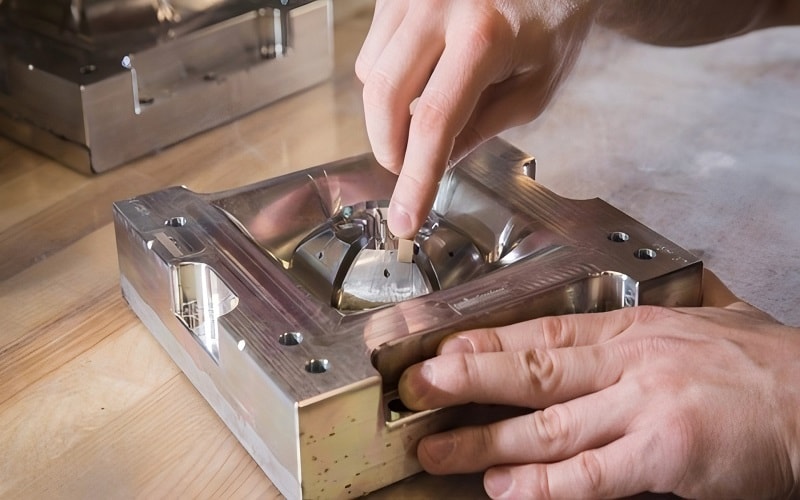
An injection mould is a specially designed tool used to manufacture plastic parts by injecting molten plastic material into a shaped cavity under high pressure. Once the plastic cools and solidifies, the mould opens, and the finished product is ejected.
The mould acts as the “template” or “negative shape” of the final product. Every detail, including holes, ribs, threads, logos, textures, and dimensions, is accurately formed inside the mould.
Injection moulds are usually manufactured from hardened steel, pre-hardened steel, aluminum, or beryllium copper depending on production volume and application.
How Does an Injection Mould Work?
The injection moulding process follows a series of simple but precise steps:
1. Plastic Melting
Plastic granules are fed into an injection moulding machine where they are heated until they become molten.
2. Injection
The molten plastic is injected into the mould cavity through the sprue, runner, and gate system under high pressure.
3. Cooling
The plastic cools inside the mould while cooling channels circulate water to maintain the required temperature.
4. Mould Opening
After sufficient cooling, the mould opens automatically.
5. Part Ejection
Ejector pins push the finished plastic component out of the mould.
6. Repeat Cycle
The mould closes again, and the process repeats, often producing thousands or even millions of identical parts.
Main Components of an Injection Mould
Understanding the basic parts of an injection mould helps beginners understand its operation.
1. Core
The core forms the internal features of the plastic part.
2. Cavity
The cavity creates the external shape of the product.
3. Sprue
The sprue is the main channel through which molten plastic enters the mould.
4. Runner
Runners distribute molten plastic from the sprue to one or multiple cavities.
5. Gate
The gate controls how molten plastic enters the cavity.
6. Ejector Pins
These pins remove the finished product after cooling.
7. Cooling Channels
Water flows through these channels to cool the mould and reduce production cycle time.
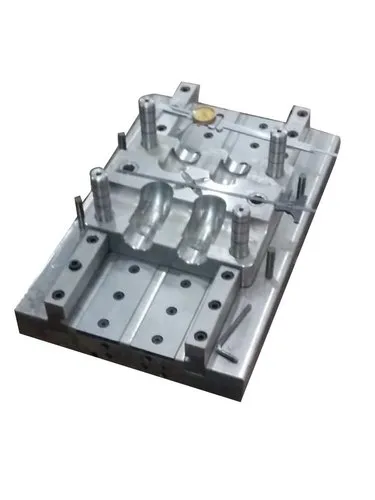
8. Guide Pillars and Bushes
They ensure perfect alignment when the mould closes.
Types of Injection Moulds
Different products require different mould designs.
Two-Plate Mould
The simplest and most common mould design used for general plastic components.
Advantages
- Simple construction
- Lower manufacturing cost
- Easy maintenance
Three-Plate Mould
Includes an additional plate that allows automatic gate separation.
Advantages
- Better gate positioning
- Improved appearance
- Suitable for complex parts
Hot Runner Mould
Uses heated runners to keep plastic molten throughout the runner system.
Advantages
- Minimal material waste
- Faster cycle times
- Higher production efficiency
- Better product quality
Cold Runner Mould
Uses unheated runners where excess plastic solidifies and is removed after each cycle.
Advantages
- Lower mould cost
- Easier maintenance
- Suitable for many applications
Family Mould
Produces several different parts in a single mould cycle.
Advantages
- Higher productivity
- Reduced assembly inventory
- Lower manufacturing cost
Multi-Cavity Mould
Contains multiple identical cavities to produce several parts simultaneously.
Advantages
- Increased production output
- Lower cost per part
- Ideal for high-volume manufacturing
Materials Used to Manufacture Injection Moulds
Injection moulds are commonly manufactured from:
- Hardened Tool Steel
- Pre-Hardened Steel
- Stainless Steel
- Aluminum
- Beryllium Copper Inserts
The material selection depends on production quantity, plastic material, product complexity, and expected mould life.
Common Plastic Materials Used
Many thermoplastics can be processed using injection moulds, including:
- Polypropylene (PP)
- Polyethylene (PE)
- ABS
- Polycarbonate (PC)
- Nylon (PA)
- PVC
- PET
- POM (Acetal)
- PMMA (Acrylic)
- TPU
Each material offers different properties such as flexibility, strength, transparency, or chemical resistance.
Advantages of Injection Moulds
Injection moulding offers numerous benefits for manufacturers:
- High production speed
- Excellent dimensional accuracy
- Consistent product quality
- Low manufacturing cost for large volumes
- Minimal material waste
- Ability to produce complex geometries
- Smooth surface finish
- High repeatability
- Automation-friendly production
- Long mould life
Applications of Injection Moulds
Injection moulds are used in nearly every manufacturing industry.
Automotive Industry
- Dashboard components
- Bumpers
- Clips
- Interior trims
- Connectors
Medical Industry
- Syringes
- Diagnostic equipment
- Surgical instrument handles
- Medical packaging
Electronics
- Mobile phone covers
- Laptop housings
- Electrical switches
- Connectors
Consumer Goods
- Storage containers
- Kitchen utensils
- Toys
- Furniture accessories
Packaging Industry
- Bottle caps
- Closures
- Food containers
- Cosmetic packaging
Industrial Products
- Machine components
- Pipe fittings
- Electrical housings
- Engineering parts
Factors to Consider When Designing an Injection Mould
A well-designed mould improves product quality and manufacturing efficiency. Important considerations include:
- Part geometry
- Wall thickness
- Draft angle
- Gate location
- Cooling channel design
- Venting
- Material shrinkage
- Ejection system
- Production volume
- Maintenance accessibility
Proper mould design minimizes defects and extends tool life.
Common Defects in Injection Moulding
Some common moulding defects include:
- Flash
- Short shots
- Sink marks
- Warpage
- Weld lines
- Air traps
- Burn marks
- Flow lines
- Voids
- Jetting
These defects can often be reduced through proper mould design, material selection, and optimized processing parameters.
Maintenance of Injection Moulds
Regular maintenance ensures consistent production and extends mould life.
Maintenance tasks include:
- Cleaning mould cavities
- Lubricating moving components
- Inspecting ejector pins
- Checking cooling channels
- Polishing cavity surfaces
- Replacing worn components
- Preventing corrosion
- Verifying alignment
A preventive maintenance schedule helps avoid unexpected downtime and costly repairs.
Future Trends in Injection Mould Technology
The injection mould industry continues to evolve with advanced technologies such as:
- Smart moulds with sensors
- Industry 4.0 integration
- AI-based process monitoring
- 3D printed mould inserts
- Conformal cooling channels
- High-speed machining
- Automated quality inspection
- Sustainable mould designs
- Digital twin technology
- Energy-efficient manufacturing
These innovations improve productivity, precision, and sustainability.
Conclusion
Injection moulds are the foundation of modern plastic manufacturing, enabling the production of precise, durable, and cost-effective components across countless industries. Whether used for simple household products or highly engineered medical and automotive parts, a well-designed injection mould ensures consistent quality, faster production, and long service life.
For beginners, understanding the basics of injection mould construction, working principles, types, materials, and applications provides a solid foundation for exploring the world of mould manufacturing. As technology advances with automation, smart monitoring, and innovative cooling solutions, injection moulds will continue to play a vital role in shaping the future of manufacturing.