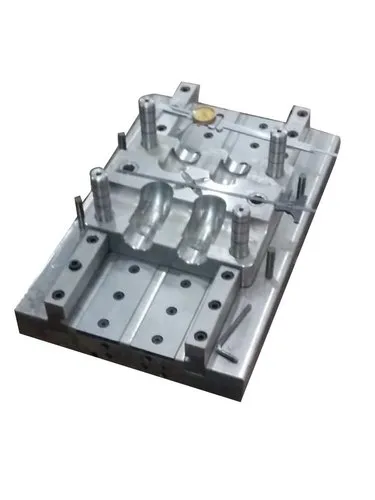
Extrusion moulds and dies are essential tools used in the plastic, rubber, metal, and food manufacturing industries to produce continuous products with a fixed cross-sectional shape. Unlike injection moulding, where molten material is injected into a closed mould cavity to create individual parts, extrusion uses a specially designed die that continuously shapes material as it flows through the opening.
From PVC pipes and plastic sheets to aluminum profiles and rubber seals, extrusion dies play a crucial role in manufacturing high-quality products with consistent dimensions and smooth surface finishes.
This guide explains what extrusion moulds and dies are, how they work, their types, materials, advantages, applications, and maintenance.
An extrusion die is a precision-engineered tool that shapes molten material into a continuous profile as it exits an extrusion machine. The die determines the final cross-sectional shape of the product.
Although the term “extrusion mould” is commonly used, the correct industrial term is extrusion die, since the material continuously flows through the die rather than filling a closed mould cavity.
The extrusion process can manufacture products in virtually unlimited lengths, which are then cut into the desired sizes.
How Extrusion Moulds & Dies Work
The extrusion process follows these basic steps:
1. Material Feeding
Plastic pellets, rubber compounds, or metal billets are fed into the extrusion machine.
2. Heating
The material is heated until it becomes soft or molten.
3. Screw Conveying
A rotating screw pushes the molten material forward under controlled pressure.
4. Die Shaping
The molten material passes through the extrusion die, which gives it its required shape.
5. Cooling
The extruded product is cooled using air, water, or vacuum calibration systems.
6. Cutting or Winding
The continuous product is cut into required lengths or wound into rolls.
Main Components of an Extrusion Die
A typical extrusion die consists of:
- Die Body
- Flow Channels
- Mandrel (for hollow products)
- Die Lip
- Calibration Section
- Heating Elements
- Cooling Channels
- Pressure Balancing Zones
Each component ensures smooth material flow and accurate dimensions.
Types of Extrusion Dies
1. Pipe Extrusion Die
Used for manufacturing:
- PVC Pipes
- HDPE Pipes
- Water Pipes
- Gas Pipes
- Electrical Conduits
2. Profile Extrusion Die
Designed for producing:
- Window Frames
- Door Profiles
- Cable Trunking
- Decorative Moldings
- Plastic Channels
3. Sheet Extrusion Die
Used for making:
- Plastic Sheets
- Acrylic Sheets
- PET Sheets
- PP Sheets
- Packaging Sheets
4. Film Extrusion Die
Manufactures thin plastic films used in:
- Packaging
- Agriculture Films
- Stretch Wrap
- Food Packaging
5. Wire Coating Die
Applies insulation over electrical wires and cables.
6. Blow Film Die
Produces tubular plastic films for:
- Shopping Bags
- Garbage Bags
- Food Packaging
- Industrial Films
7. Hollow Profile Die
Manufactures:
- Tubes
- Hollow Profiles
- Structural Sections
8. Rubber Extrusion Die
Used for:
- Rubber Seals
- Gaskets
- Weather Strips
- Automotive Rubber Components
Materials Used for Extrusion Dies
Extrusion dies must withstand:
- High pressure
- High temperature
- Continuous operation
- Abrasion
- Corrosion
Common die materials include:
- Tool Steel
- H13 Steel
- Stainless Steel
- Carbide Inserts
- Hardened Alloy Steel
Surface treatments include:
- Nitriding
- Chrome Plating
- Polishing
- PVD Coating
Advantages of Extrusion Dies
Extrusion technology offers numerous benefits:
- Continuous production
- High manufacturing speed
- Excellent dimensional consistency
- Minimal material waste
- Cost-effective for high-volume production
- Ability to create complex cross-sections
- Smooth product finish
- Suitable for automated production
Industries Using Extrusion Dies
Extrusion dies are widely used across various industries:
Construction
- Pipes
- Window Profiles
- Roofing Sheets
- Cable Ducts
Automotive
- Weather Seals
- Trim Components
- Rubber Profiles
- Wire Covers
Packaging
- Plastic Films
- Food Containers
- Shrink Wrap
- Flexible Packaging
Electrical
- Cable Insulation
- Wire Coating
- Cable Channels
Medical
- Medical Tubing
- Catheters
- IV Tubes
- Laboratory Components
Consumer Products
- Plastic Straws
- Hoses
- Curtain Tracks
- Decorative Profiles
Common Materials Processed
Extrusion dies can process a wide variety of materials, including:
Plastics
- PVC
- HDPE
- LDPE
- PP
- ABS
- PS
- PET
- Nylon
- Polycarbonate
Rubber
- EPDM
- Silicone
- Natural Rubber
- Nitrile Rubber
Metals
- Aluminum
- Copper
- Brass
Design Considerations for Extrusion Dies
Successful die design depends on:
- Uniform material flow
- Proper pressure distribution
- Correct die land length
- Temperature control
- Shrinkage compensation
- Surface finish requirements
- Cooling efficiency
- Product dimensional accuracy
Modern die design uses CAD, CAM, and simulation software to optimize performance before manufacturing.
Maintenance Tips
Proper maintenance extends die life and improves product quality.
Best practices include:
- Clean dies after every production run.
- Inspect for wear and damage regularly.
- Polish die surfaces when needed.
- Store dies in a dry, protected environment.
- Lubricate moving components where applicable.
- Replace worn inserts promptly.
- Maintain proper operating temperatures.
- Prevent contamination during production.