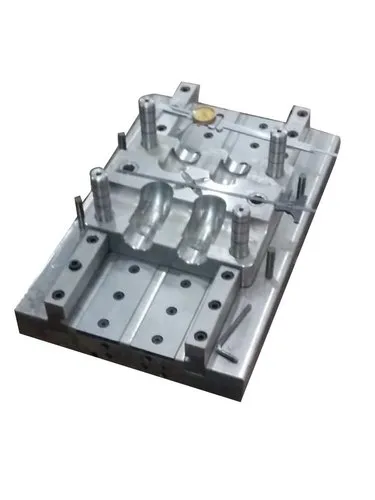
Blow moulding is a manufacturing process used to produce hollow plastic parts by inflating a heated plastic tube (parison) until it fills a mould and forms the desired shape. It is widely used in the consumer goods industry due to its cost-effectiveness, scalability, and ability to create lightweight, durable, and complex-shaped containers.
Types of Blow Moulding Techniques Used
Extrusion Blow Moulding (EBM)
Common for making bottles and containers; involves extruding molten plastic into a mould and then blowing it into shape.Injection Blow Moulding (IBM)
Ideal for smaller, precision products; combines injection moulding and blow moulding for detailed designs.Stretch Blow Moulding (SBM)
Frequently used for PET bottles; enhances clarity and strength by stretching the plastic during moulding.
Common Blow Moulded Consumer Products
Blow moulding plays a vital role in the production of various consumer goods, including:
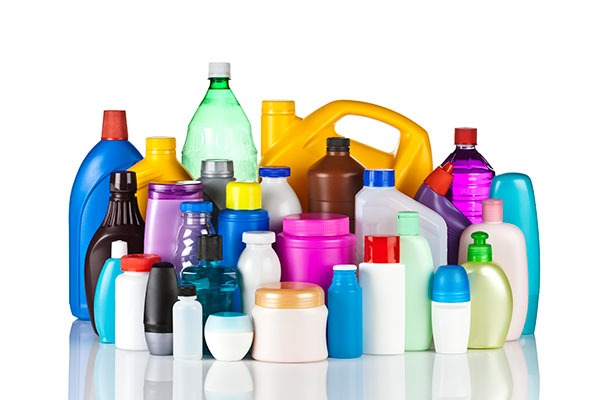
Bottles and Containers
Used for beverages, personal care (shampoos, lotions), household cleaning products, and cooking oils.Toys
Hollow toys like balls, action figures, and doll heads are often made using blow moulding due to its safety and lightweight characteristics.Household Items
Products such as watering cans, laundry baskets, storage bins, and kitchen containers benefit from the flexibility and cost-efficiency of blow moulding.Personal Care Packaging
Items like deodorant sticks, toothpaste tubes, and cosmetic jars rely on blow moulding for compact, user-friendly packaging.Automotive and Outdoor Goods (Crossover Applications)
Although not exclusively “consumer goods,” items like fuel tanks, coolers, and outdoor furniture cross over into the consumer market.
Advantages of Blow Moulding in Consumer Goods
Cost-Effective Production
High output rates with minimal material waste make it ideal for mass production.Design Flexibility
Capable of producing complex shapes and customized designs to meet consumer demand and branding needs.Lightweight and Durable
Produces products that are easy to handle, transport, and store.Wide Material Compatibility
Works with a range of plastics such as PET, HDPE, LDPE, and PP, which are recyclable and approved for food contact.
Sustainability and Innovations
With rising environmental awareness, manufacturers are increasingly integrating sustainable practices into blow moulding:
Use of Recycled Plastics (rPET, rHDPE)
Many consumer goods companies now use post-consumer recycled materials in packaging.Lightweighting
Reducing the amount of plastic used per product without compromising strength.Biodegradable Plastics
Ongoing research is enabling the use of biodegradable and compostable polymers in blow moulded products.
Conclusion
Blow moulding remains a cornerstone of the consumer goods industry, offering a highly efficient, versatile, and economically viable method for producing essential everyday items. As innovation continues to push the boundaries of sustainability and design, the role of blow moulded products in consumer goods is set to grow even further.