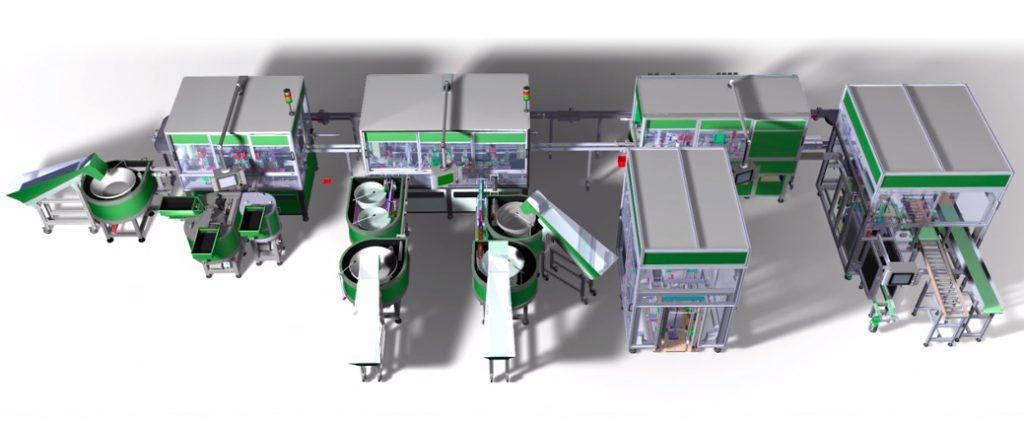
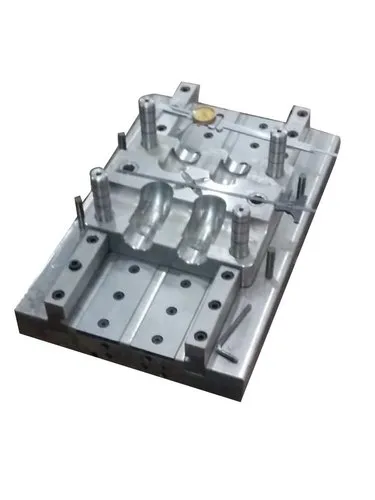
The cosmetic industry is driven by innovation, speed to market, and aesthetic precision. As consumer demand for diverse and customized beauty products increases, manufacturers are turning to automation to enhance efficiency, accuracy, and scalability in cosmetic mould production. Automation has become a pivotal force in revolutionizing how cosmetic packaging moulds—used for lipstick tubes, compact cases, mascara containers, and more—are designed and manufactured.
1. Importance of Moulds in Cosmetics
Moulds are essential in shaping plastic and metal components for cosmetic packaging. Their quality directly affects product appearance, functionality, and consumer perception. Traditionally, mould production involved labor-intensive processes requiring high levels of craftsmanship. However, manual methods are time-consuming, prone to inconsistencies, and less scalable.
2. Key Areas of Automation in Cosmetic Mould Production
a. Computer-Aided Design (CAD) and Computer-Aided Manufacturing (CAM):
Automated CAD/CAM systems allow engineers to create precise mould designs based on 3D models. These systems facilitate simulations for flow analysis, stress testing, and design optimization before actual production begins.
b. CNC Machining and Robotic Milling:
High-precision Computer Numerical Control (CNC) machines are used to cut mould components with micron-level accuracy. Robotic arms often handle the movement of parts between machines, improving consistency and reducing labor costs.
c. Additive Manufacturing (3D Printing):
In early-stage prototyping, 3D printing enables rapid mould development. This allows cosmetic companies to test packaging concepts quickly and make iterative changes without the need for full-scale production.
d. Automated Polishing and Finishing:
Surface finishing, a critical step for aesthetic appeal, is increasingly performed using robotic polishing systems. These ensure uniform texture and gloss, which is essential for luxury cosmetic packaging.
e. Quality Control and Inspection:
Automated vision systems and sensors now inspect every mould and part for dimensional accuracy, surface defects, and material consistency. This real-time monitoring reduces waste and rework.
3. Benefits of Automation in Cosmetic Mould Production
Speed and Efficiency: Automation dramatically shortens production cycles, enabling quicker time-to-market for new products.
Precision and Consistency: Automated systems produce highly consistent moulds, reducing variability and improving product quality.
Cost Reduction: While initial investment is high, automation lowers long-term operational costs through labor savings and reduced material waste.
Customization: Automated systems can be rapidly adjusted to accommodate new product designs or limited-edition packaging runs.
Sustainability: Precision in material use and energy-efficient machines contribute to more sustainable manufacturing processes.
4. Challenges and Considerations
Despite its advantages, automation comes with challenges:
High Capital Investment: Setting up automated systems requires substantial upfront costs.
Skill Gap: Operators must be trained in using and maintaining advanced machines.
Maintenance Needs: Automated systems require regular calibration and maintenance to function optimally.
5. Future Trends
The future of automation in cosmetic mould production includes:
AI-Driven Predictive Maintenance
Digital Twin Technology for Real-Time Simulation
Integration of IoT for Data-Driven Optimization
Greater Use of Sustainable Materials and Processes
Conclusion
Automation is transforming cosmetic mould production by enhancing efficiency, reducing waste, and supporting innovation. As beauty brands continue to push for faster, more personalized, and eco-friendly products, automated mould-making will remain a cornerstone of competitive manufacturing in the cosmetics sector.