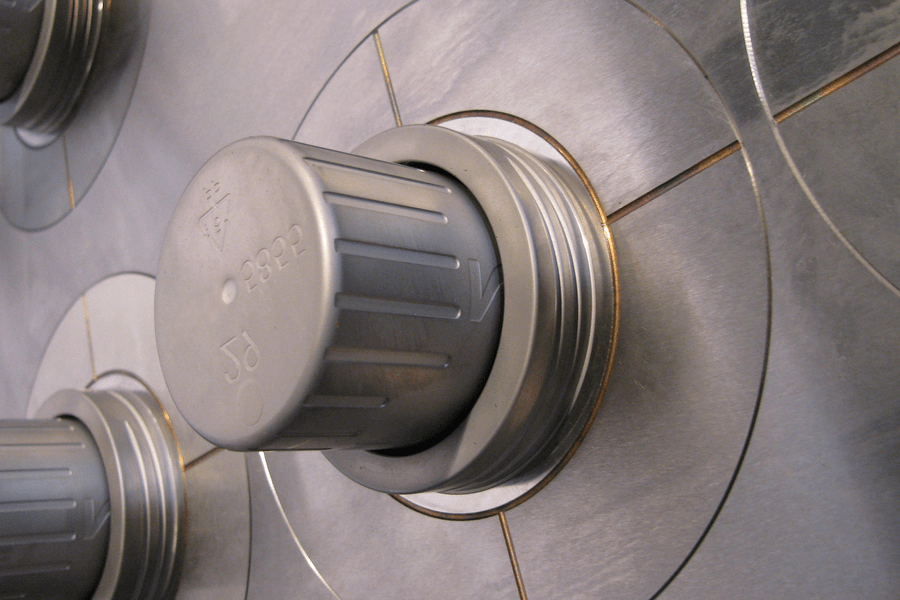
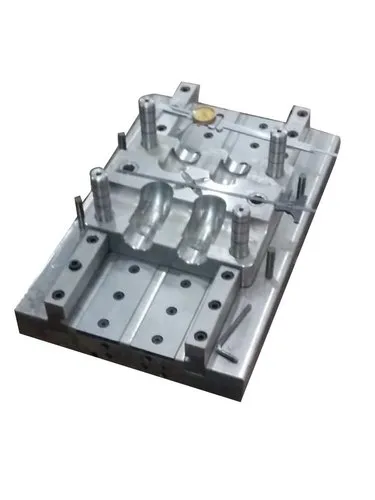
In plastic injection molding, unscrewing moulds are a specialized type of mold used to produce threaded plastic parts, such as caps, lids, or closures commonly found in houseware products. These moulds are designed to mechanically unscrew the part from the mold after it cools, rather than relying on a simple ejection system which could damage the threads.
Threaded houseware parts—like bottle caps, detergent lids, or storage container tops—require high precision to ensure a secure fit and functionality. Unscrewing moulds play a critical role in maintaining thread accuracy, surface finish, and cycle efficiency.
Key Features of Unscrewing Moulds
Rotating Core Mechanism
Central to unscrewing moulds is a rotating core or insert that forms the internal thread of the molded part.
After molding, this core rotates to unscrew the part, mimicking how the part would be unscrewed in real-life usage.
Drive Mechanism Options
Unscrewing can be powered by various mechanisms:
Hydraulic motors
Electric motors (servo-driven)
Rack and pinion systems
Mechanical cams and gears integrated into the mold
Each method is chosen based on precision, cycle time, and part complexity.
Synchronization and Timing
The unscrewing action must be precisely synchronized with mold opening and ejection.
Programmable Logic Controllers (PLCs) often control the sequencing for automated systems.
Cooling Considerations
Threaded parts typically have thicker cross-sections, requiring efficient core cooling to reduce cycle time and ensure dimensional stability.
Applications in Houseware Products
Unscrewing moulds are ideal for mass production of threaded parts used in:
Bottle and jar caps
Food storage container lids
Detergent and cleaning product caps
Household dispenser components
Cosmetic container closures
These parts require high-quality threads for leak-proof, child-proof, or tamper-evident functionalities, making unscrewing moulds essential.
Advantages of Unscrewing Moulds
Precision Thread Formation
Ensures consistent and damage-free threads for proper sealing and assembly.Improved Part Longevity
Avoids deformation or stress on threads during demolding, increasing durability.Higher Automation
Supports fully automated production lines, reducing labor and increasing productivity.Versatility
Suitable for both standard and complex multi-start or custom thread designs.
Challenges and Considerations
Higher Initial Cost
More complex than standard moulds due to moving parts and drive systems.Maintenance Requirements
Moving components require regular inspection and lubrication to prevent wear or misalignment.Design Complexity
Mould design must accommodate both the part geometry and unscrewing mechanisms within tight tolerances.
Conclusion
Unscrewing moulds are indispensable in the production of high-quality threaded houseware parts. Their ability to replicate precise threads while maintaining product integrity makes them a vital asset in modern injection molding. Though more complex and costly than standard molds, the accuracy, repeatability, and automation potential they offer make them a wise investment for high-volume threaded plastic components.