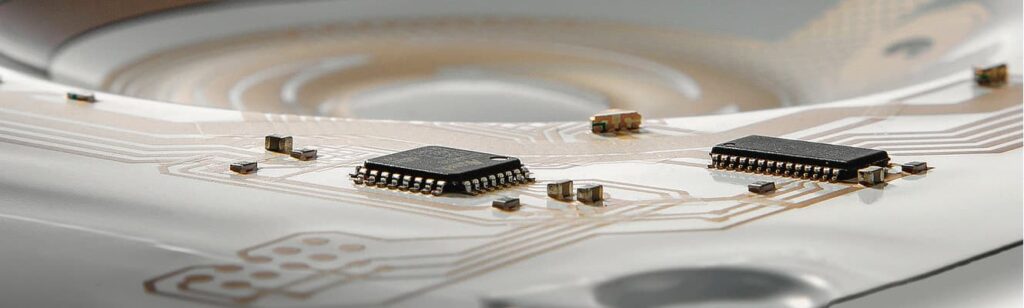
The integration of Artificial Intelligence (AI) into electronic mould systems is transforming the manufacturing landscape, offering smarter, faster, and more efficient moulding processes. AI enables predictive capabilities, automated control, and continuous optimization, ensuring higher product quality and reduced production costs.
1. Overview of AI in Moulding
Electronic mould systems already incorporate sensors, actuators, and control units to monitor and manage the moulding process. When AI is integrated, these systems can analyze large amounts of real-time data, learn from production patterns, and make intelligent adjustments automatically. This results in adaptive manufacturing where moulds respond dynamically to process variations.
2. Key Applications of AI in Electronic Moulds
a. Predictive Maintenance:
AI algorithms analyze sensor data to predict potential failures or wear in mould components. This helps schedule maintenance before breakdowns occur, reducing downtime and extending mould life.b. Process Optimization:
AI continuously adjusts temperature, pressure, and injection speed parameters based on historical data and real-time feedback to ensure consistent quality and minimal defects.c. Defect Detection and Quality Control:
Using machine vision and deep learning models, AI identifies defects such as warping, short shots, or surface imperfections during or immediately after moulding, reducing waste and inspection time.d. Energy Efficiency:
AI-driven systems can optimize machine cycles and energy usage, leading to more sustainable and cost-effective operations.
3. Benefits of AI Integration
Improved Accuracy: Precise parameter control minimizes dimensional deviations and surface defects.
Reduced Downtime: Predictive insights help avoid unplanned stoppages.
Higher Productivity: Automation and self-optimization enable faster production cycles.
Enhanced Quality Assurance: Real-time defect detection ensures consistency in every batch.
Data-Driven Decision Making: Continuous learning from data supports process improvement and innovation.
4. Challenges and Considerations
While AI offers significant advantages, challenges include high initial setup costs, data management complexity, and the need for skilled personnel to interpret AI insights. Integration also requires collaboration between mould designers, data scientists, and production engineers to ensure seamless operation.
5. Future Outlook
As AI technology continues to advance, electronic mould systems will become increasingly autonomous. Future moulds may feature self-learning capabilities, remote diagnostics, and fully automated feedback loops, allowing real-time adaptability to new materials and product designs. This evolution is paving the way for the next generation of smart manufacturing and Industry 4.0 integration in the moulding sector.
In summary, AI integration in electronic mould systems represents a major leap toward intelligent, efficient, and sustainable manufacturing. It enables predictive, adaptive, and automated processes that enhance quality, reduce costs, and accelerate innovation.