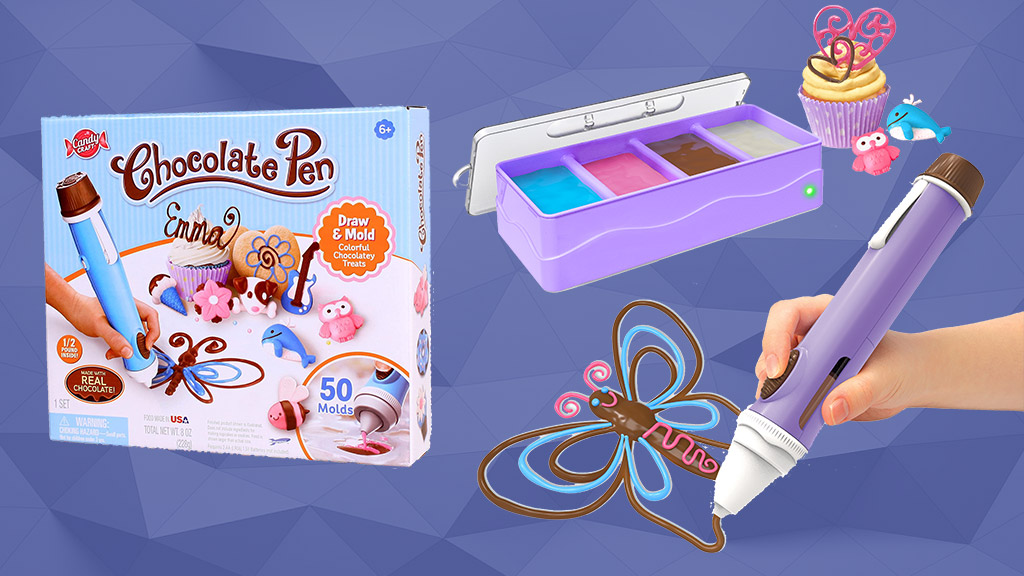
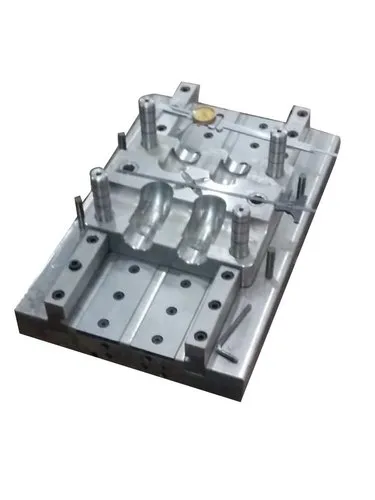
The stationery and education industry is evolving rapidly, driven by changing learning environments, sustainability demands, digital integration, and consumer expectations for innovative products. Mould technology plays a critical role in enabling the production of advanced stationery items, educational tools, and learning accessories. Future innovations in stationery and education mould technology will focus on smart manufacturing, eco-friendly materials, customization, and enhanced functionality.
1. Smart and Connected Mould Systems
The adoption of Industry 4.0 technologies is transforming mould manufacturing and injection moulding processes.
Key Developments:
- Integration of IoT sensors within moulds for real-time monitoring.
- Predictive maintenance systems to reduce downtime.
- Automated quality control using AI-driven inspection systems.
- Data analytics for optimizing cycle times and production efficiency.
Benefits:
- Higher production consistency.
- Reduced maintenance costs.
- Improved product quality.
- Increased operational efficiency.
2. Sustainable and Eco-Friendly Moulding Solutions
Environmental responsibility is becoming a major priority for stationery manufacturers.
Future Innovations:
- Moulds specifically designed for biodegradable plastics.
- Enhanced processing of recycled polymers.
- Lightweight mould designs that consume less energy.
- Reduced material waste through precision cavity engineering.
Applications:
- Eco-friendly pens and markers.
- Recyclable school supplies.
- Sustainable office products.
- Biodegradable educational kits.
3. Advanced Multi-Material Moulding
Future mould technologies will enable the combination of multiple materials within a single product.
Examples:
- Soft-grip pens with rigid structural components.
- Erasers with integrated cleaning surfaces.
- Educational tools combining flexible and hard plastics.
- Multifunctional stationery products.
Advantages:
- Enhanced user comfort.
- Improved product durability.
- Greater design flexibility.
- Reduced assembly requirements.
4. Personalized and Custom Stationery Manufacturing
Growing demand for unique products is driving innovation in customizable mould systems.
Emerging Capabilities:
- Rapid mould modification technologies.
- Modular inserts for design variations.
- Small-batch production with minimal tooling changes.
- Personalized branding and educational institution-specific products.
Applications:
- Customized school supplies.
- Personalized pen bodies.
- Educational promotional products.
- Institution-branded stationery.
5. 3D Printing and Hybrid Mould Manufacturing
Additive manufacturing is revolutionizing mould development.
Future Trends:
- 3D-printed mould inserts for rapid prototyping.
- Conformal cooling channels for improved temperature control.
- Hybrid mould construction combining additive and traditional machining.
- Faster product development cycles.
Benefits:
- Reduced lead times.
- Lower development costs.
- Greater design complexity.
- Improved cooling efficiency.
6. Smart Educational Products Enabled by Advanced Moulds
Educational products are becoming increasingly interactive and technology-driven.
Potential Innovations:
- Moulded housings for electronic learning devices.
- Interactive educational toys and kits.
- Smart writing instruments with digital connectivity.
- Learning aids incorporating sensors and electronics.
Educational Benefits:
- Enhanced student engagement.
- Interactive learning experiences.
- Improved skill development.
- Better integration with digital classrooms.
7. Micro-Precision Moulding for Educational Components
As educational devices become more sophisticated, precision moulding requirements are increasing.
Future Applications:
- Components for STEM learning kits.
- Scientific laboratory educational tools.
- Robotics and coding education products.
- Precision measuring instruments.
Advantages:
- Higher accuracy.
- Improved product functionality.
- Consistent performance.
- Miniaturized product designs.
8. AI-Assisted Mould Design and Optimization
Artificial intelligence is expected to significantly improve mould development processes.
AI Applications:
- Automated mould design recommendations.
- Flow analysis optimization.
- Defect prediction and prevention.
- Material selection guidance.
Results:
- Faster design cycles.
- Reduced development risks.
- Improved mould performance.
- Enhanced production quality.
9. High-Speed and High-Cavitation Moulds
The growing demand for affordable stationery products requires increased production capacity.
Innovations:
- High-cavity mould systems for mass production.
- Faster cycle time technologies.
- Improved runner and gating systems.
- Automated part handling integration.
Benefits:
- Lower manufacturing costs.
- Increased output.
- Consistent product quality.
- Better scalability.
10. Enhanced Surface Texturing and Aesthetic Features
Consumer expectations for visually appealing stationery products continue to rise.
Emerging Technologies:
- Laser texturing of mould surfaces.
- Micro-patterned decorative finishes.
- Anti-slip grip textures.
- Premium visual effects without secondary operations.
Applications:
- Premium pens and pencils.
- Designer stationery products.
- Educational accessories.
- School supply collections.
11. Augmented Reality (AR) and Digital Learning Integration
Future educational products will increasingly blend physical and digital experiences.
Mould Technology Contributions:
- Production of AR-enabled learning tools.
- Precision housings for embedded electronics.
- Interactive educational models.
- Digital-compatible learning accessories.
Benefits:
- Immersive learning experiences.
- Better student interaction.
- Enhanced educational outcomes.
- Support for modern teaching methods.
12. Fully Automated Smart Factories
The future of stationery mould manufacturing will involve highly automated production environments.
Key Features:
- Robotic mould handling systems.
- Automated material feeding.
- AI-driven process optimization.
- Real-time production monitoring.
Outcomes:
- Reduced labor dependency.
- Higher productivity.
- Improved consistency.
- Greater manufacturing flexibility.
Conclusion
Future innovations in stationery and education mould technology will be driven by sustainability, automation, digitalization, customization, and smart product development. Advanced mould designs, AI-assisted engineering, precision manufacturing, and eco-friendly production methods will enable manufacturers to create more functional, attractive, and environmentally responsible educational products. As learning environments continue to evolve, mould technology will remain a key enabler of innovation, helping the stationery and education industries meet the demands of future generations.