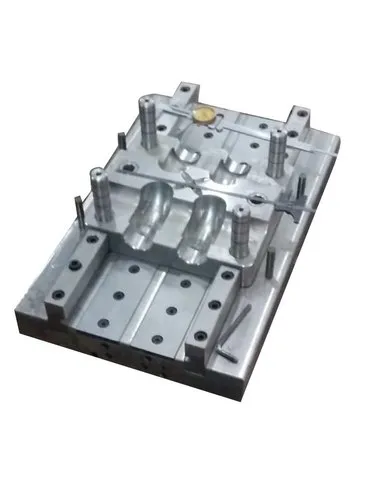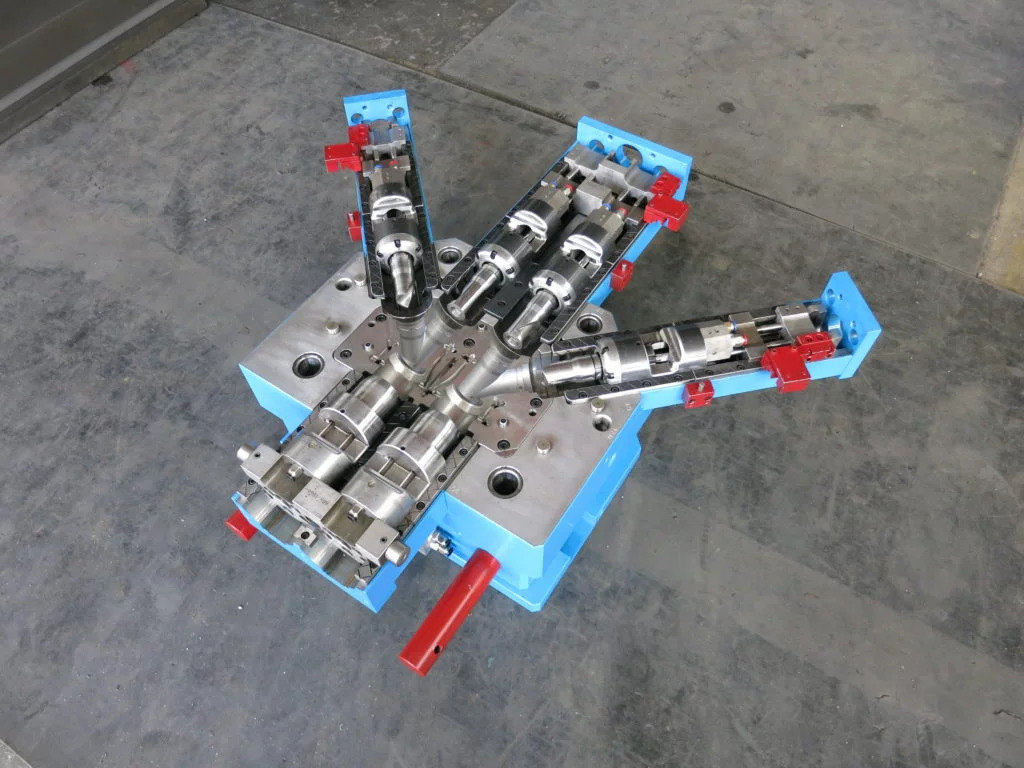
An injection mould is a precision tool used to shape molten plastic into a desired product. It consists of several components that work together to inject, shape, cool, and release the molded part.
Understanding the basic components helps in designing, operating, and maintaining injection moulds effectively.
1. Mould Plates
Mould plates provide the main structural support for the mould components.
Common plates include:
- Fixed or stationary plate
- Moving plate
- Support plate
- Clamping plates
They hold the mould components securely and help maintain proper alignment.
2. Core
The core forms the internal features or inside surface of the molded product.
For example, in a plastic container, the core can create the inside cavity of the container.
3. Cavity
The cavity forms the external shape and surface of the molded product.
The core and cavity come together to create the required part geometry.
4. Sprue
The sprue is the main passage through which molten plastic enters the mould from the injection machine nozzle.
It directs the material toward the runner system.
5. Runner
The runner is a channel that carries molten plastic from the sprue toward one or more mould cavities.
In a multi-cavity mould, the runner system distributes material to multiple cavities.
6. Gate
The gate is the opening through which molten plastic enters the cavity.
Gate design and location can influence:
- Filling pattern
- Surface appearance
- Cooling
- Part quality
- Cycle time
7. Ejector System
After the plastic has cooled and solidified, the ejector system removes the finished part from the mould.
It can include:
- Ejector pins
- Ejector plates
- Ejector sleeves
- Return pins
8. Cooling System
Cooling channels circulate water or another suitable cooling medium through the mould.
They help control mould temperature and allow the plastic part to solidify efficiently.
9. Guide Pins and Bushes
Guide pins and guide bushes ensure that the two mould halves align correctly when the mould closes.
Proper alignment helps protect the core, cavity, and other precision components.
10. Venting System
Vents allow air and gases to escape from the mould cavity as molten plastic enters.
Proper venting helps prevent defects such as:
- Burn marks
- Short shots
- Gas traps
- Poor surface finish
11. Locating Ring
The locating ring helps position the mould accurately on the injection moulding machine and aligns the mould with the machine nozzle.
12. Sprue Bush
The sprue bush provides the connection between the injection machine nozzle and the mould’s sprue system, allowing molten plastic to enter the mould.
13. Return Pins
Return pins help return the ejector assembly to its correct position when the mould closes, preparing the mould for the next injection cycle.
Basic Material Flow
Injection Nozzle → Sprue → Runner → Gate → Cavity → Cooling → Ejection
In Short
The main components of an injection mould include the core, cavity, mould plates, sprue, runner, gate, cooling system, ejector system, guide pins and bushes, vents, locating ring, and sprue bush.
Each component has a specific function, and proper coordination between them is essential for producing accurate, consistent, and high-quality plastic parts.