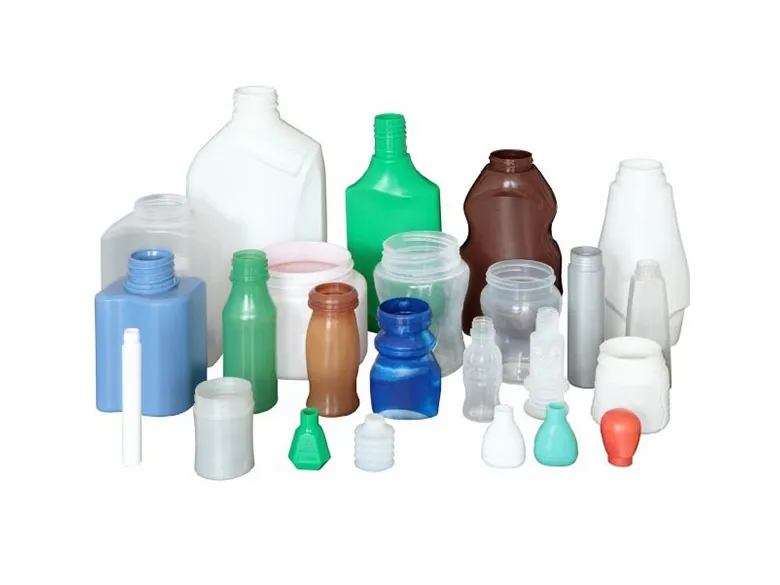
Blow moulding is a widely used manufacturing process in the cosmetic packaging industry, known for its ability to produce lightweight, durable, and aesthetically appealing plastic containers. From shampoo bottles to lotion containers and compact jars, blow moulding plays a critical role in shaping the packaging landscape of modern cosmetic products.
What is Blow Moulding?
Blow moulding is a plastic forming technique that involves inflating a heated plastic tube (parison) inside a mould until it takes the shape of the mould cavity. The process is primarily used to manufacture hollow plastic parts and containers.
There are three main types of blow moulding processes used in the cosmetic industry:
Extrusion Blow Moulding (EBM) – Suitable for simple containers and bottles. It’s cost-effective and allows for design flexibility.
Injection Blow Moulding (IBM) – Offers high precision and is ideal for small, complex containers like serum bottles or travel-sized packaging.
Stretch Blow Moulding (SBM) – Commonly used for clear and rigid containers, such as PET bottles for hair care or facial sprays.
Importance in Cosmetic Packaging
1. Design Versatility
Blow moulding allows manufacturers to create custom shapes, sizes, and textures, which is crucial in the cosmetics industry where brand identity and shelf appeal are important. Unique bottle shapes or ergonomic designs can greatly influence consumer perception.
2. Material Compatibility
Blow moulding is compatible with a range of thermoplastics including PET, HDPE, LDPE, and PP—each offering different levels of flexibility, clarity, and chemical resistance suited for cosmetic formulations.
3. Lightweight and Durable
Plastic containers produced by blow moulding are lightweight yet strong enough to withstand transportation and handling without breaking or leaking, making them ideal for personal care products.
4. Cost Efficiency
Once the moulds are developed, blow moulding offers high-speed production capabilities, making it cost-effective for both small and large batch manufacturing.
Sustainability Trends
With growing environmental awareness, the cosmetic industry is also pushing for sustainable blow moulding practices. These include:
Use of Recycled Plastics (PCR)
Lightweighting to reduce material usage
Biodegradable and bio-based plastics
Refillable packaging solutions
Modern advancements in blow moulding technology now allow for better control over wall thickness, material usage, and recyclability—helping brands align with eco-conscious consumer values.
Challenges
Despite its advantages, blow moulding faces some challenges in cosmetic packaging:
Tooling Costs: High initial investment for custom moulds.
Limited Precision in Complex Features: Compared to injection moulding, fine detailing can be more challenging.
Material Waste: Although minimal, parison trimming can still generate waste.
Conclusion
Blow moulding continues to be a cornerstone technology in the cosmetic packaging industry, enabling brands to combine functionality, cost-efficiency, and aesthetic appeal. With innovations geared toward sustainability and customization, it remains a vital part of the industry’s push toward smarter, greener packaging solutions.