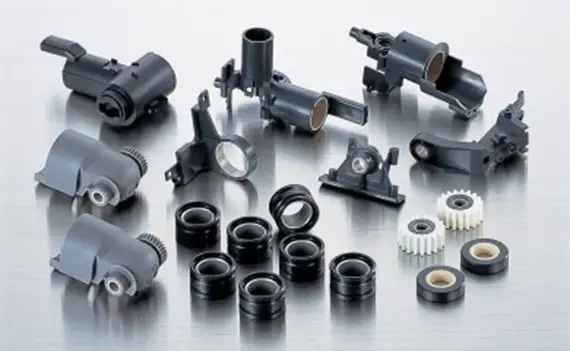
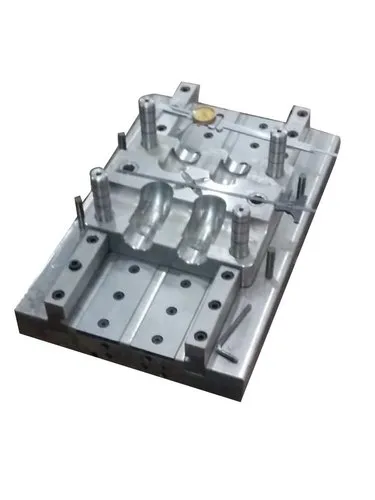
Houseware mould dies are essential in the manufacturing of everyday household items such as containers, kitchenware, storage solutions, and more. The performance, durability, and precision of these moulds largely depend on the materials used to manufacture them. Below are the most common materials used in houseware mould dies:
1. P20 Tool Steel
Overview:
P20 is one of the most widely used materials for houseware mould dies due to its excellent machinability and good polishing properties.
Key Features:
Pre-hardened (~30–40 HRC)
Good toughness and wear resistance
Excellent dimensional stability during machining
Suitable for large-volume production
Applications:
Plastic injection moulds
Kitchenware moulds
Storage container moulds
2. H13 Tool Steel
Overview:
H13 is a chromium hot-work tool steel known for its resistance to thermal fatigue and high-temperature strength.
Key Features:
High hardness (after heat treatment: ~50–54 HRC)
Excellent thermal fatigue resistance
High wear resistance
Suitable for long-run moulding operations
Applications:
Moulds exposed to high temperatures or requiring high wear resistance
Handles or parts of cookware made from tougher materials
3. Stainless Steel (e.g., 420, 440C)
Overview:
Stainless steels, especially grades like 420 and 440C, are used when corrosion resistance and polishability are priorities.
Key Features:
Excellent corrosion resistance
High polishability (ideal for transparent or high-gloss plastic products)
Moderate hardness (420: ~48 HRC; 440C: ~60 HRC)
Applications:
Transparent or food-grade houseware moulds
Water-contact components
4. NAK80 (Pre-hardened Steel)
Overview:
NAK80 is a premium-grade tool steel developed for plastic moulds that require superior surface finish.
Key Features:
Pre-hardened to ~40 HRC
Excellent polishability and texturing
Good machinability and weldability
High dimensional accuracy
Applications:
High-precision kitchenware or cosmetic containers
Parts requiring surface texturing or engraving
5. Aluminum Alloys
Overview:
Aluminum is sometimes used for prototype or short-run production moulds due to its light weight and excellent machinability.
Key Features:
Lightweight
Fast machining and low production cost
Not suitable for high-pressure or long-cycle production
Lower durability compared to steels
Applications:
Prototype moulds for kitchen tools or organizers
Short-run production of lightweight houseware items
6. Beryllium-Copper Alloys
Overview:
Often used as inserts in moulds, beryllium-copper alloys provide excellent thermal conductivity.
Key Features:
High thermal conductivity
Good wear resistance
Reduces cycle time in injection moulding
Can be combined with steel moulds for improved cooling
Applications:
Mould inserts for faster cooling in high-volume houseware moulds
Conclusion
Selecting the right material for houseware mould dies is crucial for ensuring product quality, mould life, and production efficiency. Factors like production volume, required surface finish, thermal demands, and cost constraints all influence the choice of material. While steels like P20 and H13 dominate the industry, specialized materials like stainless steel, aluminum, and beryllium-copper are also used strategically depending on the application.