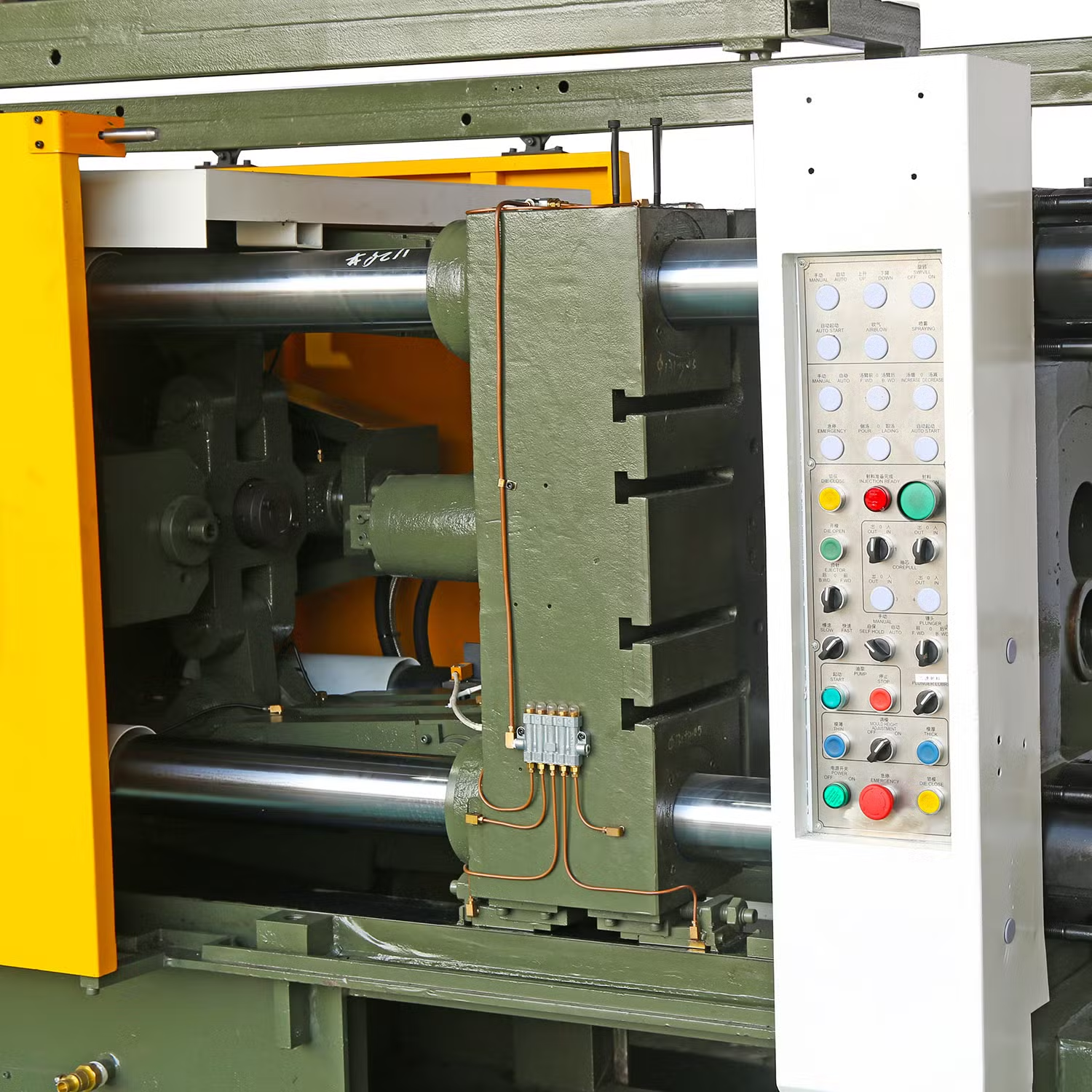
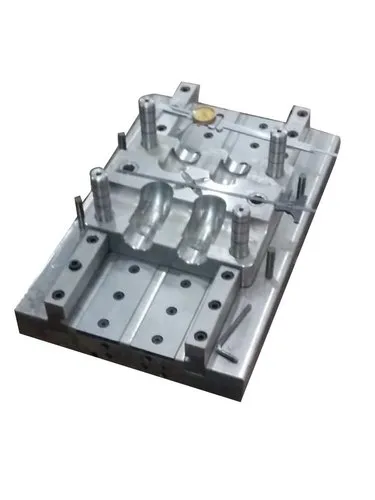
Die-casting and injection moulding are critical manufacturing processes used extensively in the production of metal and plastic components, respectively. However, both processes are energy-intensive, and with the increasing global emphasis on sustainability and cost reduction, manufacturers are under pressure to enhance energy efficiency without compromising on product quality or production speed.
1. Overview of Energy Consumption
Die-Casting typically involves melting and injecting non-ferrous metals (like aluminum, zinc, or magnesium) into steel moulds. A significant portion of the energy is used in melting and maintaining molten metal at high temperatures.
Injection Moulding involves heating plastic pellets until molten and injecting them into a mould. Energy is consumed in plasticizing, mould clamping, and cooling.
Energy costs can account for 10–30% of total production costs, depending on material, machine type, and process parameters.
2. Strategies for Improving Energy Efficiency
A. Equipment Upgrades
Servo-Hydraulic and All-Electric Machines
Replacing traditional hydraulic machines with servo-hydraulic or all-electric systems significantly reduces energy use.
Electric injection moulding machines can cut energy consumption by up to 50–70% compared to hydraulic machines.
High-Efficiency Furnaces (Die-Casting)
Use of gas-fired reverberatory furnaces or electric induction furnaces with better insulation and heat recovery systems improves melt efficiency.
Furnace automation can optimize melt quantities and reduce idle times.
Advanced Temperature Control Systems
Utilizing precise thermal control units for mould heating and cooling improves cycle times and reduces energy waste.
B. Process Optimization
Cycle Time Reduction
Shorter cycle times reduce the energy consumed per part. This can be achieved through:
Optimized mould design
Better cooling channel layouts
Use of conformal cooling and advanced materials
Process Parameter Tuning
Fine-tuning injection speeds, pressures, and holding times ensures energy isn’t wasted on unnecessary movements or heat.
Minimized Scrap Rates
Reducing rework and rejects lowers the energy cost per good part. This can be improved via process monitoring and closed-loop control systems.
C. Maintenance and Operational Best Practices
Preventive Maintenance
Well-maintained machines run more efficiently, with less downtime and lower energy needs.
Energy Monitoring Systems
Installing real-time energy monitoring allows operators to identify inefficiencies and act quickly.
Operator Training
Training machine operators on energy-efficient practices—like shutting down idle machines or optimizing start-up procedures—can have a measurable impact.
D. Material Selection and Usage
Recycled Materials
Using recycled metals or plastics requires less energy than virgin material production.
However, processing conditions must be adjusted to maintain part quality.
Lightweighting
Redesigning parts to use less material without sacrificing functionality also reduces energy per part produced.
3. Emerging Technologies
Industry 4.0 & Smart Manufacturing
IoT-enabled moulding machines offer predictive maintenance, energy optimization, and better control over process parameters.
AI and Machine Learning
Algorithms can predict the most energy-efficient settings based on historical data.
Hybrid Heating Systems
Induction + resistance heating combinations improve furnace responsiveness and efficiency in die-casting.
4. Environmental and Economic Benefits
Improving energy efficiency in die-casting and injection moulding offers several advantages:
Reduced Carbon Footprint
Lower energy consumption directly translates to reduced greenhouse gas emissions.Cost Savings
Lower utility bills and reduced material waste increase profit margins.Regulatory Compliance
Meeting tightening energy regulations and environmental standards becomes easier.Enhanced Competitiveness
Companies with greener processes gain a competitive edge in sustainability-conscious markets.
Conclusion
Improving energy efficiency in die-casting and injection moulding is no longer optional—it’s a strategic necessity. By upgrading equipment, optimizing processes, implementing smart technologies, and training personnel, manufacturers can significantly reduce energy usage, lower costs, and improve their environmental impact while maintaining or even enhancing product quality and throughput.