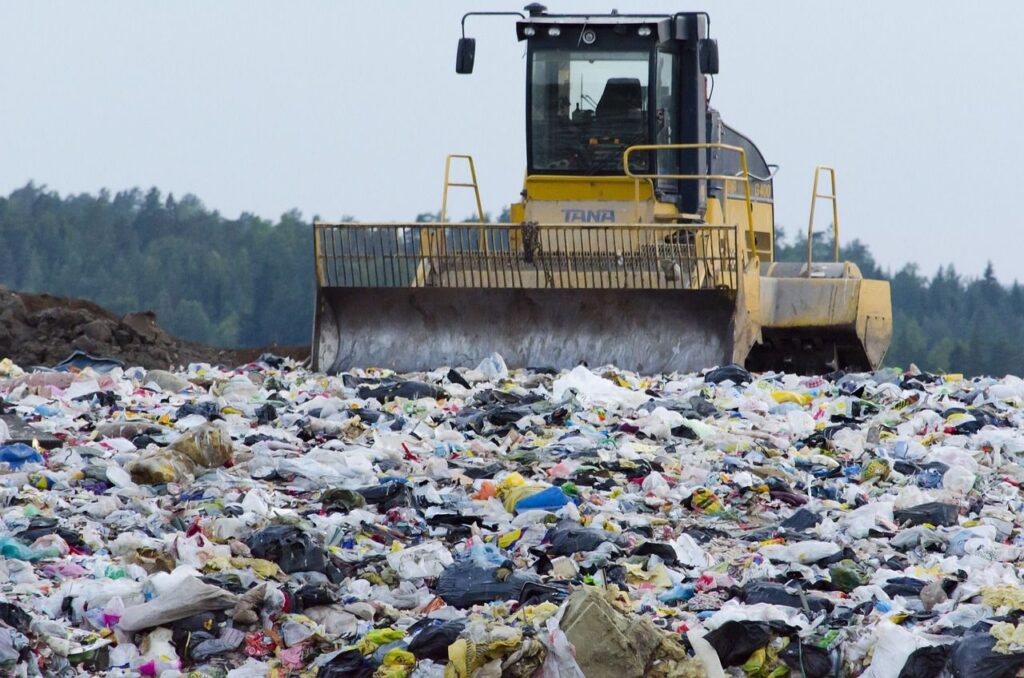
Plastic closures—commonly used to seal bottles, jars, and other containers—play a vital role in maintaining product integrity and shelf life. However, their environmental impact has become a growing concern due to widespread plastic pollution and the increasing demand for sustainability. While they are small in size, plastic closures contribute significantly to the broader plastic waste issue.
1. Contribution to Plastic Waste
Plastic closures are typically made from high-density polyethylene (HDPE) or polypropylene (PP), which are durable and resistant to degradation. Although recyclable, these materials often escape proper waste management systems due to their small size, leading to accumulation in landfills, waterways, and natural environments.
According to estimates, billions of plastic closures are produced each year, many of which end up as litter.
Caps and lids are among the top 10 items found during international coastal cleanups.
2. Challenges in Recycling
While both HDPE and PP are technically recyclable, plastic closures pose practical challenges:
Separation Issues: Closures are often made of different materials than the bottles they accompany, requiring separation during recycling.
Contamination: Residual product inside containers or on caps can interfere with the recycling process.
Size Limitations: Small closures can fall through sorting machinery, leading to lower recycling rates.
3. Marine and Wildlife Threats
Plastic closures are frequently ingested by marine animals and birds, mistaking them for food. This ingestion can cause:
Internal injuries or blockages.
Malnutrition or starvation due to false satiety.
Chemical leaching from degraded plastics into marine ecosystems.
4. Carbon Footprint and Resource Use
The production of plastic closures involves fossil fuel extraction, energy-intensive manufacturing, and transportation. This contributes to:
Greenhouse gas emissions.
Depletion of non-renewable resources.
Environmental degradation from petrochemical processing.
5. Consumer Behavior and Single-Use Culture
The convenience of single-use packaging, including closures, contributes to a throwaway culture. Closures are often not reused or repurposed, despite their material value.
Mitigation Strategies
To reduce the environmental impact of plastic closures, several strategies are being explored:
Design for recyclability: Using mono-materials or tethered caps that remain attached to bottles to facilitate recycling.
Material innovation: Developing biodegradable or compostable alternatives.
Improved collection systems: Enhancing sorting technology and public awareness to increase recycling rates.
Legislation: Implementing extended producer responsibility (EPR) policies and deposit-return schemes.
Conclusion
Plastic closures, while essential for modern packaging, present a significant environmental challenge due to their contribution to plastic pollution and recycling inefficiencies. Addressing this issue requires a combination of innovative design, better waste management practices, and informed consumer behavior. As awareness and regulation increase, the industry is slowly moving toward more sustainable alternatives.