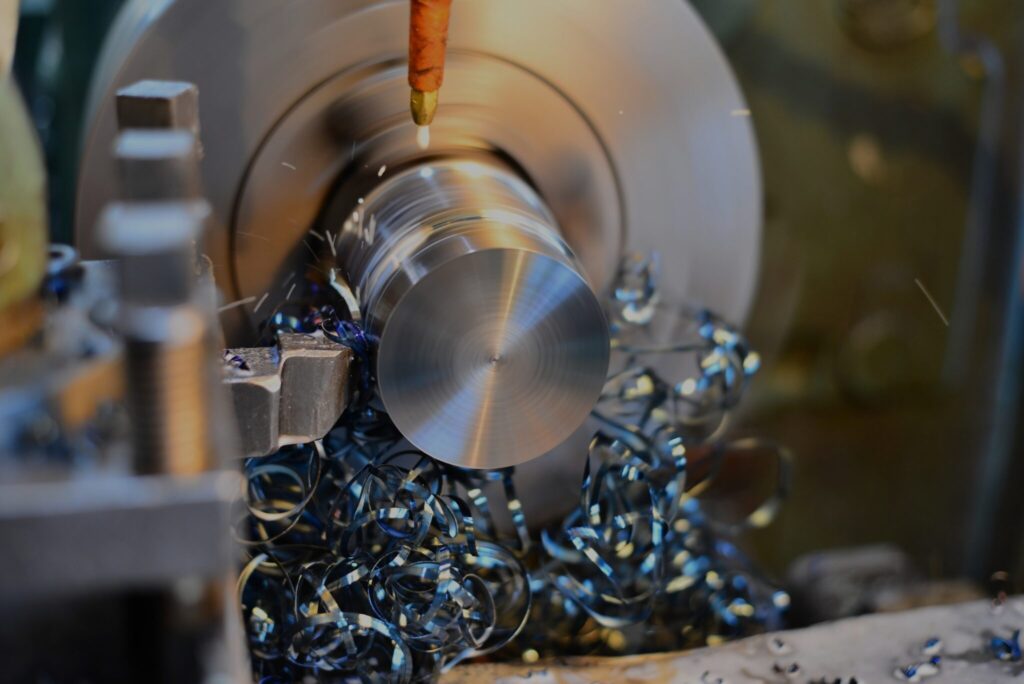
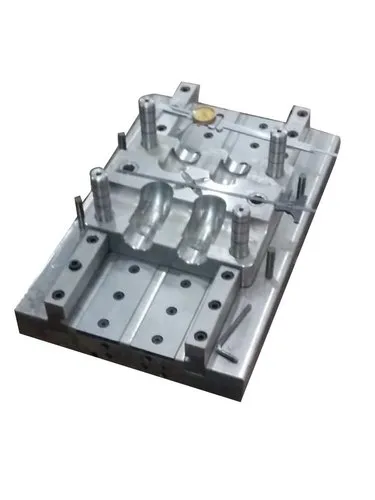
Cosmetic products often require precision-engineered packaging that is not only functional but also visually appealing. This makes the production of cosmetic moulds a critical aspect of the manufacturing process. Among the various techniques available, CNC (Computer Numerical Control) machining plays a pivotal role in delivering high-quality, reliable, and repeatable moulds for the cosmetic industry.
1. High Precision and Accuracy
Cosmetic packaging, such as lipstick tubes, compact cases, and cream jars, demands a high degree of detail and uniformity. CNC machining offers micron-level precision, allowing manufacturers to create moulds with complex geometries and fine surface details. This precision ensures that the end products meet strict aesthetic and functional standards.
2. Repeatability and Consistency
Consistency is crucial in mass production, especially for cosmetics where brand image relies heavily on uniformity. CNC machining enables the creation of moulds that produce identical parts every cycle. The computer-controlled process eliminates human error and variation, maintaining consistent quality across large batches.
3. Surface Finish Quality
The surface finish of a cosmetic mould directly affects the final appearance of the product. CNC machining allows for tight control over surface textures and finishes, often reducing the need for extensive post-processing. This is especially important for transparent or high-gloss packaging components.
4. Customization and Prototyping
In the competitive cosmetic market, new designs and limited-edition packaging are common. CNC machining supports rapid prototyping and small-batch production, making it ideal for testing and refining new mould designs before committing to full-scale production. The ability to quickly adapt to design changes reduces time-to-market.
5. Durability and Tool Life
Cosmetic moulds are often made from durable materials such as hardened steel or aluminum to withstand the wear and tear of repeated injection moulding cycles. CNC machining can accurately process these tough materials, ensuring long tool life and reducing downtime due to tool maintenance or replacement.
6. Integration with CAD/CAM Systems
CNC machining seamlessly integrates with CAD (Computer-Aided Design) and CAM (Computer-Aided Manufacturing) software, streamlining the transition from design to production. This digital workflow enhances design accuracy and shortens lead times for mould development.
7. Cost-Effectiveness for High-End Applications
Although CNC machining can have higher upfront costs compared to other methods like 3D printing, it is more cost-effective in the long run for high-volume or high-end cosmetic products due to its efficiency, durability, and precision.
Conclusion
CNC machining is a cornerstone of modern cosmetic mould production, offering unmatched precision, consistency, and flexibility. As consumer demand grows for aesthetically pleasing and innovative packaging, CNC technology continues to be indispensable in helping cosmetic brands meet these expectations while maintaining production efficiency and quality.