Automobile moulds play a crucial role in the manufacturing of modern vehicles. They are precision-engineered tools used to shape and form various automotive components, ensuring consistency, accuracy, and efficiency in mass production. From interior trims to exterior body panels, moulds are essential for producing parts with exact specifications, high durability, and aesthetic appeal.
What Are Automobile Moulds?
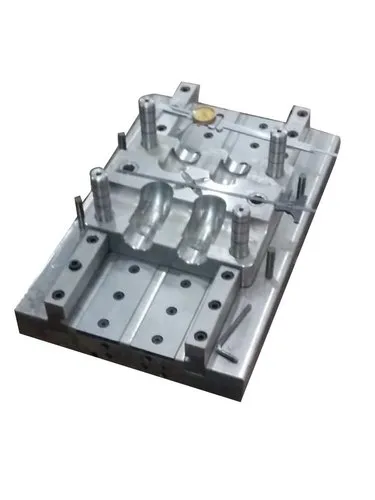
Automobile moulds are specialized dies or tools made from metal, often steel or aluminum, used in processes like injection moulding, compression moulding, and die casting. These moulds help in forming plastic, rubber, metal, or composite materials into complex automotive parts.
Key Applications of Automobile Moulds
Exterior Components: Bumpers, grilles, headlight housings, fenders, and doors.
Interior Components: Dashboards, consoles, door panels, seat frames, and air vents.
Engine and Functional Parts: Engine covers, battery housings, air intake systems, and fluid reservoirs.
Types of Moulding Processes Used in the Automobile Industry
Injection Moulding: Commonly used for plastic parts; molten material is injected into a mould cavity to form detailed components.
Compression Moulding: Ideal for rubber or composite materials; used for gaskets, seals, and vibration dampers.
Die Casting: Used for metal components; molten metal is injected into a metal mould under high pressure.
Blow Moulding: Primarily for hollow plastic parts such as fuel tanks or ducts.
Thermoforming: Plastic sheets are heated and shaped using moulds, often for interior panels.
Materials Used in Automobile Moulds
Tool Steel: Offers excellent durability and heat resistance; ideal for high-volume production.
Aluminum: Lighter and more cost-effective for prototyping or low-volume production.
Beryllium-Copper Alloys: Used in areas requiring high thermal conductivity.
Importance of Automobile Moulds
Precision: Enables accurate replication of complex geometries.
Efficiency: Reduces manufacturing time and cost through mass production.
Quality Control: Ensures consistency and reliability of parts across all units.
Innovation: Supports the development of lighter, safer, and more aerodynamic vehicle designs.
Conclusion
Automobile moulds are foundational to the automotive manufacturing process. As vehicle designs become more sophisticated and lightweight materials gain popularity, the importance of advanced moulding technologies continues to grow. Understanding the role and capabilities of automobile moulds is key to appreciating the engineering that goes into modern vehicle production.