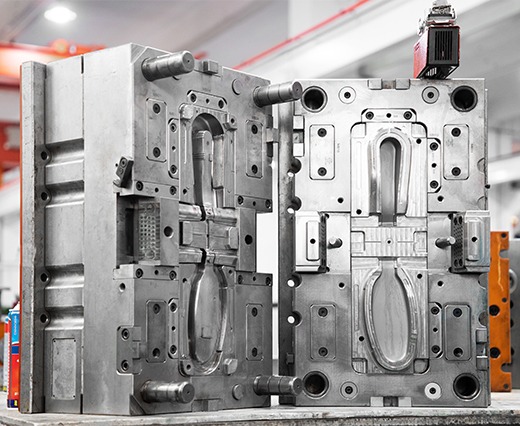
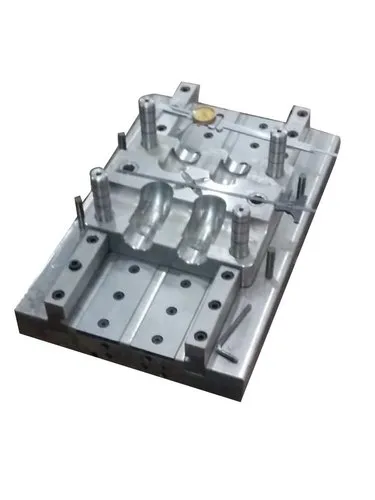
Electronic moulds represent a modern advancement in manufacturing, where traditional moulding techniques are integrated with electronic systems to enhance precision, control, and efficiency. These moulds are particularly useful in industries that require high levels of accuracy, automation, and monitoring, such as electronics, automotive, medical devices, and consumer goods.
What are Electronic Moulds?
Electronic moulds are moulding tools embedded with electronic components, such as sensors, actuators, heating elements, and control units. These components work together to monitor and regulate parameters like temperature, pressure, cycle time, and cavity filling during the moulding process. This integration helps achieve superior product quality and consistency.
Purpose and Benefits
The main purpose of electronic moulds is to:
Improve manufacturing precision
Enhance automation and process control
Reduce cycle time and material wastage
Enable real-time monitoring and diagnostics
Minimize human intervention and error
Applications
Electronic moulds are used in various manufacturing processes, including:
Injection Moulding – for plastic components with complex geometries
Compression Moulding – commonly used for rubber and composite materials
Micro Moulding – for small and intricate parts in electronics and medical devices
Key Features of Electronic Moulds
Embedded Sensors: Measure parameters like temperature, pressure, and humidity inside the mould.
Smart Controls: Automatically adjust conditions for optimal performance.
Data Collection: Allow tracking and analysis of mould performance over time.
Self-Diagnostics: Detect wear, misalignment, or other issues before failure occurs.
Conclusion
Electronic moulds are a vital innovation in the field of precision manufacturing. By combining traditional moulding technology with modern electronics, they enable manufacturers to produce high-quality, complex components efficiently and reliably. As Industry 4.0 continues to evolve, electronic moulds will play a key role in the automation and smart manufacturing revolution.