Inspection and Measurement Techniques for Moulds

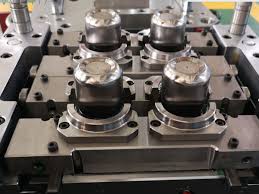
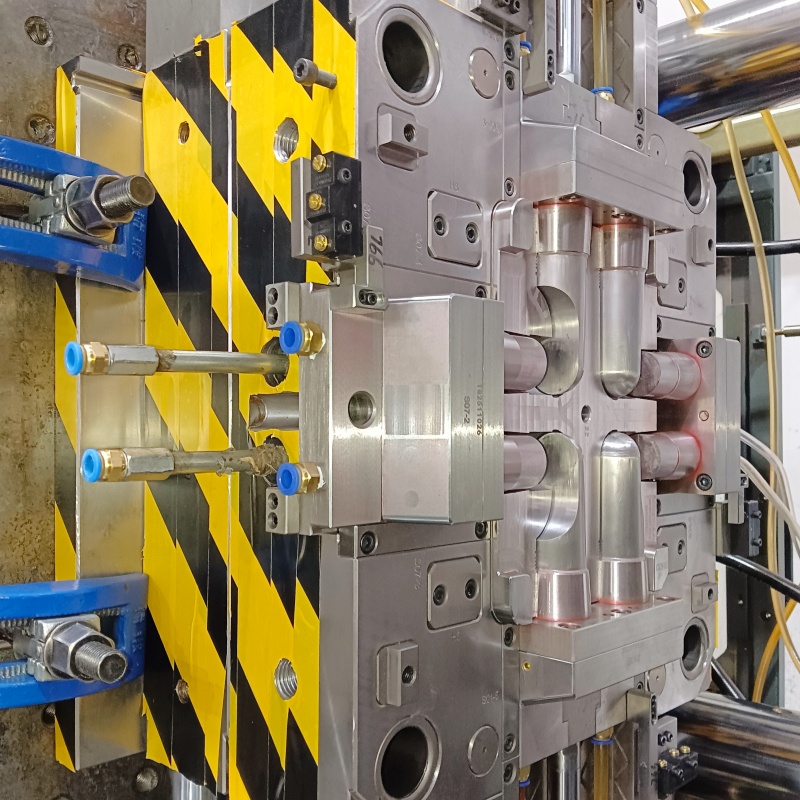
Inspection and measurement are critical stages in mould manufacturing, ensuring that every component meets precise dimensional and quality requirements. Accurate inspection helps maintain product consistency, reduce rejection rates, and extend mould life. Below is a structured overview of key techniques used in mould inspection. 1. Importance of Mould Inspection Moulds are high-precision tools, often requiring […]

Inspection and Measurement Techniques for Moulds Read More »

Use of Bio-Based and Recyclable Materials

The growing emphasis on sustainability has significantly influenced manufacturing industries, including plastics and mould-based production. The use of bio-based and recyclable materials is becoming a key strategy for reducing environmental impact while maintaining product performance and cost efficiency. 1. Understanding Bio-Based Materials Bio-based materials are derived from renewable biological sources such as plants, agricultural waste,

Use of Bio-Based and Recyclable Materials Read More »

Smart Moulds and Digital Monitoring in Cosmetic Production

The cosmetic industry is rapidly evolving toward high precision, consistency, and traceability. To meet these demands, manufacturers are increasingly adopting smart moulds integrated with digital monitoring systems. These advanced technologies transform traditional injection moulding into a data-driven, intelligent process, improving product quality, reducing waste, and enhancing operational efficiency. What Are Smart Moulds? Smart moulds are

Smart Moulds and Digital Monitoring in Cosmetic Production Read More »

Multi-Cavity vs Family Moulds for Stationery Items

In the stationery manufacturing industry, injection mould design plays a critical role in productivity, cost efficiency, and product quality. Two commonly used mould types are multi-cavity moulds and family moulds. Each has distinct advantages and limitations depending on production requirements, product design, and business strategy. 1. Multi-Cavity Moulds Definition A multi-cavity mould contains multiple identical

Multi-Cavity vs Family Moulds for Stationery Items Read More »

Sustainability in Medical Mould Manufacturing

Sustainability in medical mould manufacturing is becoming increasingly critical as healthcare demand rises and environmental regulations tighten. While the medical sector prioritizes safety, sterility, and precision, manufacturers are now equally focused on reducing environmental impact without compromising quality or compliance. 1. Material Selection and Optimization One of the key aspects of sustainable medical mould manufacturing

Sustainability in Medical Mould Manufacturing Read More »

Moulds for Luxury and Premium Cosmetic Packaging

Luxury and premium cosmetic packaging plays a critical role in brand perception, customer experience, and product differentiation. High-end cosmetic brands demand not only aesthetic appeal but also precision, consistency, and superior quality in their packaging. Moulds used for such applications must therefore meet stringent design, material, and manufacturing standards. 1. Importance of Moulds in Premium

Moulds for Luxury and Premium Cosmetic Packaging Read More »

Lead Time Reduction in Stationery Mould Projects

Reducing lead time in stationery mould projects is critical for staying competitive in fast-moving markets where product trends, seasonal demand, and cost pressures are constantly evolving. Efficient lead time management ensures quicker product launches, better customer satisfaction, and improved resource utilization. 1. Optimized Product & Mould Design Early-stage design plays a major role in overall

Lead Time Reduction in Stationery Mould Projects Read More »

Outsourcing vs In-House Medical Mould Production

Medical mould manufacturing is a highly specialized field that demands precision, regulatory compliance, and consistent quality. Companies must decide whether to produce moulds internally (in-house) or outsource them to specialized vendors. Each approach has its own advantages and limitations depending on business goals, scale, and technical capabilities. 1. In-House Medical Mould Production Definition In-house production

Outsourcing vs In-House Medical Mould Production Read More »

Decorative Finishes: Texturing, Engraving, and Branding

Decorative finishes play a vital role in enhancing the visual appeal, functionality, and market value of moulded products. In industries such as stationery, cosmetics, and consumer goods, finishes like texturing, engraving, and branding are not just aesthetic elements—they also influence product usability, grip, and brand identity. 1. Importance of Decorative Finishes Decorative finishes contribute to:

Decorative Finishes: Texturing, Engraving, and Branding Read More »

Rapid Prototyping for Stationery Product Development

Rapid prototyping has become a vital tool in stationery product development, enabling manufacturers to quickly transform ideas into physical models. In a highly competitive market where design, functionality, and cost efficiency are critical, rapid prototyping helps reduce development time, improve product quality, and accelerate time-to-market. What is Rapid Prototyping? Rapid prototyping refers to a group

Rapid Prototyping for Stationery Product Development Read More »

Scroll to Top