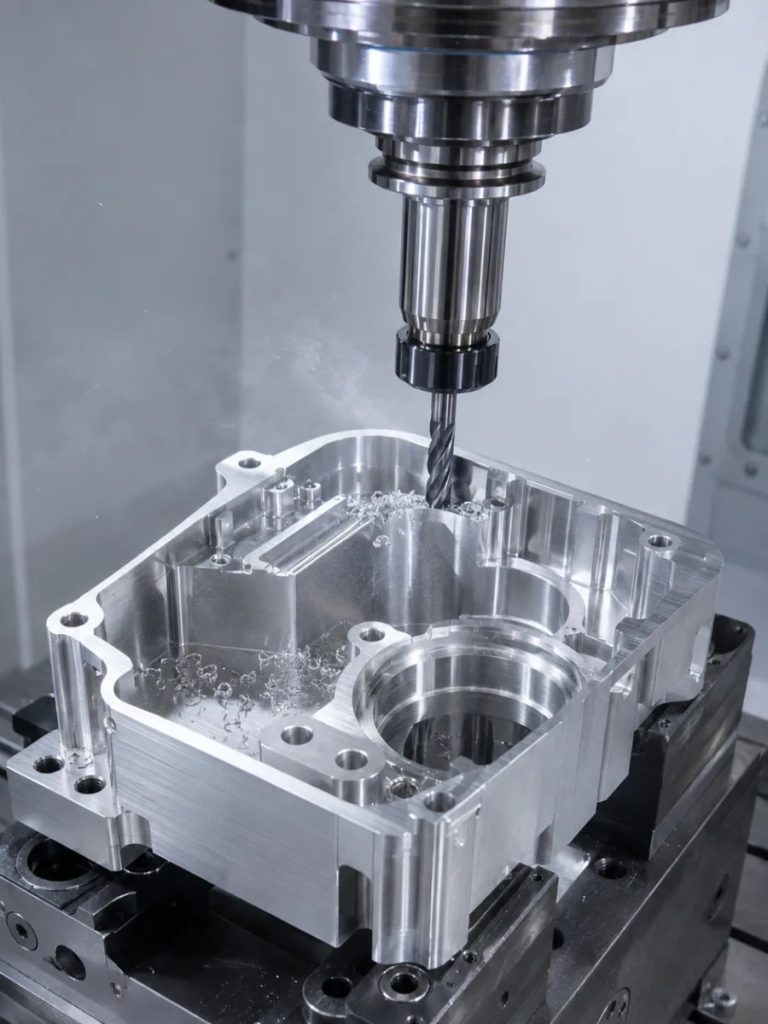
Mould Cavity Design

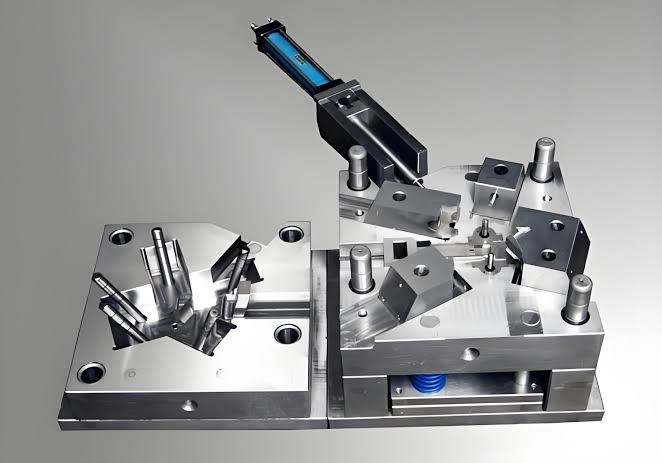
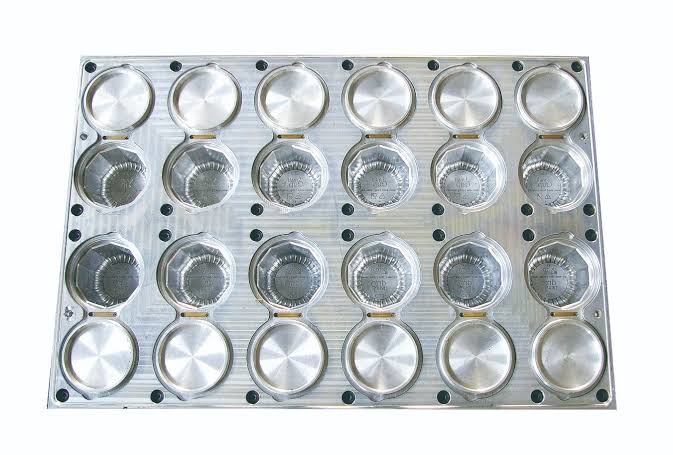
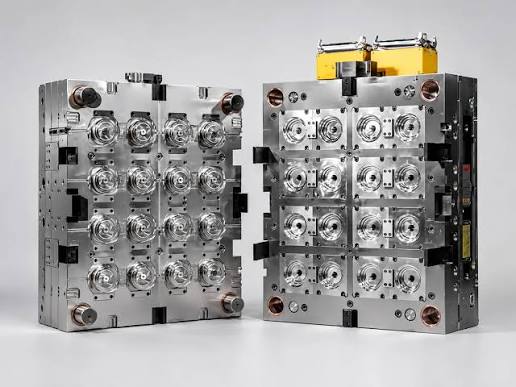
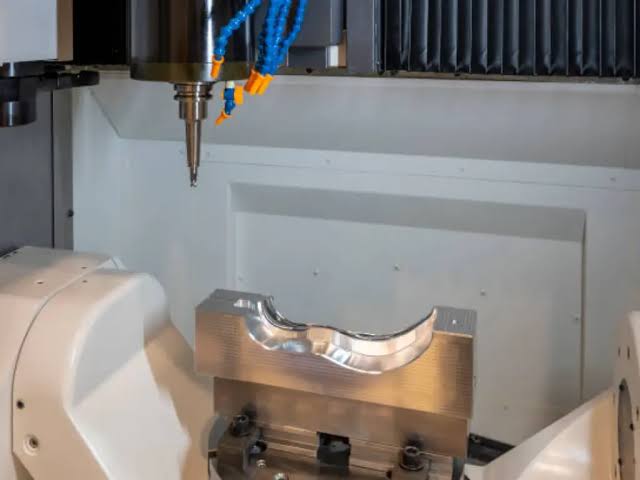
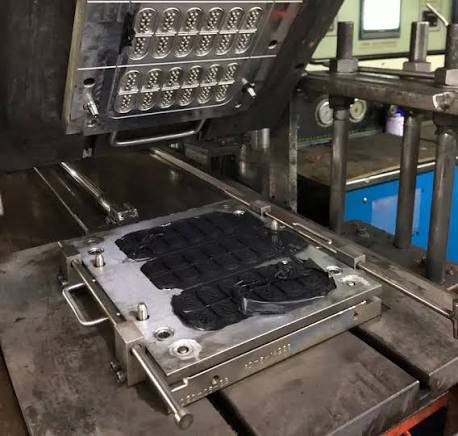
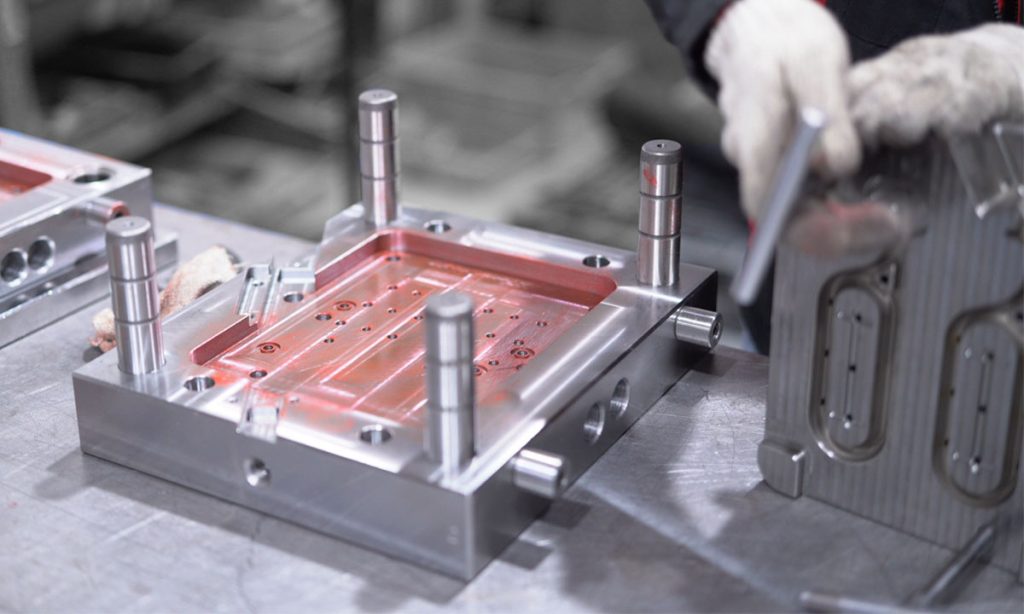
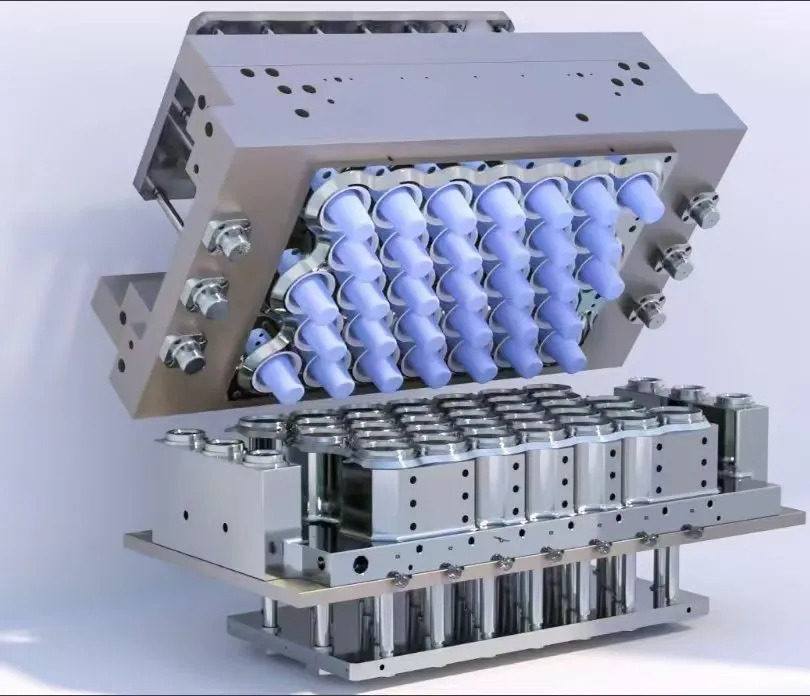
1. Introduction to Mould Cavity Design Mould cavity design is one of the most important aspects of mould engineering. It involves designing the hollow portion of a mould that gives the moulded product its external shape, dimensions, surface finish, and overall appearance. In manufacturing processes such as injection moulding and compression moulding, the mould cavity

Mould Cavity Design Read More »

Heating and Temperature Control

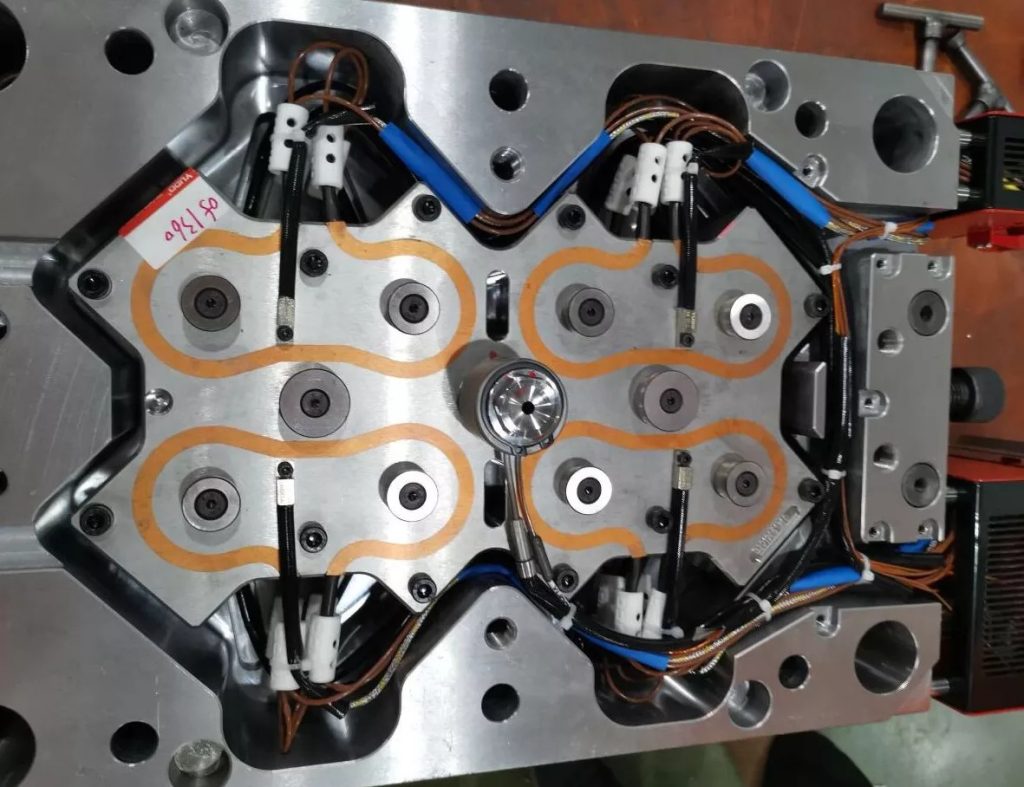
1. Introduction Heating and temperature control are essential aspects of moulding processes used in the manufacture of plastic products, rubber components, silicone products, candles, and other moulded materials. Proper heating ensures that the material reaches the required processing temperature, while temperature control maintains stable conditions throughout production. In compression moulding, injection moulding, and thermoforming, temperature

Heating and Temperature Control Read More »

Surface Finishing of Compression Moulds

1. Introduction Surface finishing of compression moulds is an important manufacturing process that improves the quality, smoothness, accuracy, and performance of mould surfaces. It involves refining the mould’s working surfaces through operations such as grinding, polishing, lapping, and texturing to achieve the required surface condition. Compression moulds are used to shape materials by applying heat

Surface Finishing of Compression Moulds Read More »

Scroll to Top