Automotive Applications of Precision Dies

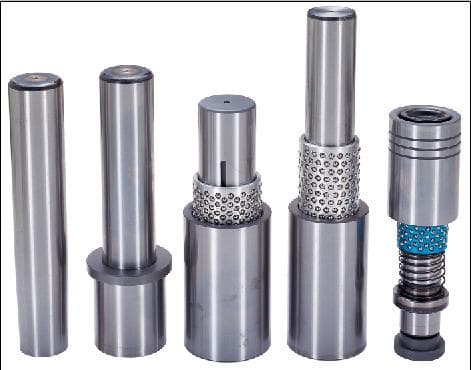
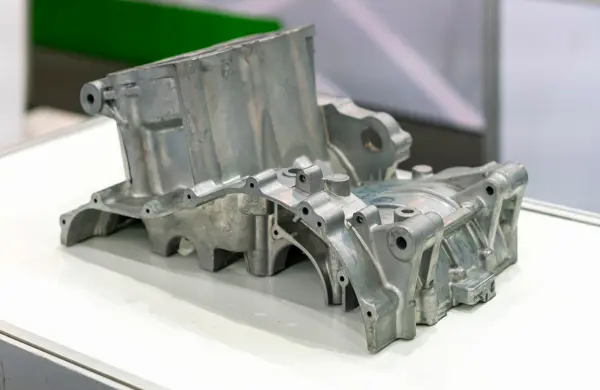
Precision dies play a critical role in the automotive industry, facilitating the manufacturing of high-quality, complex, and precise metal components that meet the demanding standards of modern vehicles. These dies enable mass production with consistent accuracy, contributing to improved vehicle performance, safety, and cost-efficiency. What are Precision Dies? Precision dies are specially engineered tools used […]

Automotive Applications of Precision Dies Read More »
Sustainability in houseware mould die materials

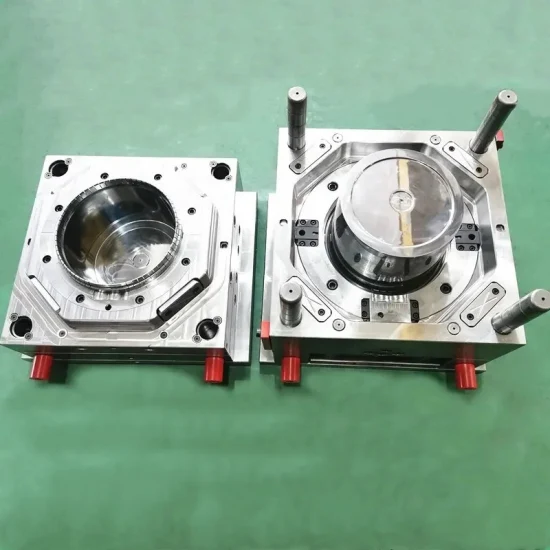
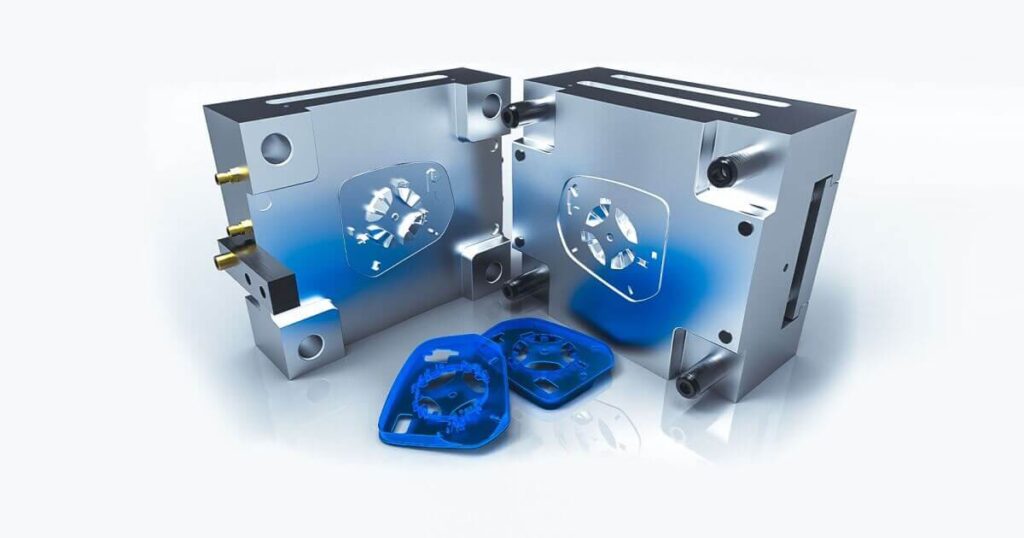
Sustainability has become a crucial focus across all industries, including manufacturing sectors like houseware production. Mould dies, essential for shaping plastic, metal, or composite houseware products, play a significant role not only in product quality and manufacturing efficiency but also in the environmental footprint of the production process. Choosing sustainable materials for mould dies is

Sustainability in houseware mould die materials Read More »

Tooling Standards (DME, HASCO, MISUMI, etc.)

In the manufacturing and tooling industry, especially in mold making and precision engineering, standardized components play a crucial role in ensuring compatibility, efficiency, and interchangeability. Tooling standards refer to predefined specifications and dimensions for mold bases, components, and accessories provided by global standard suppliers such as DME, HASCO, MISUMI, and others. These standards simplify the

Tooling Standards (DME, HASCO, MISUMI, etc.) Read More »

Mold Alignment and Tolerancing Techniques

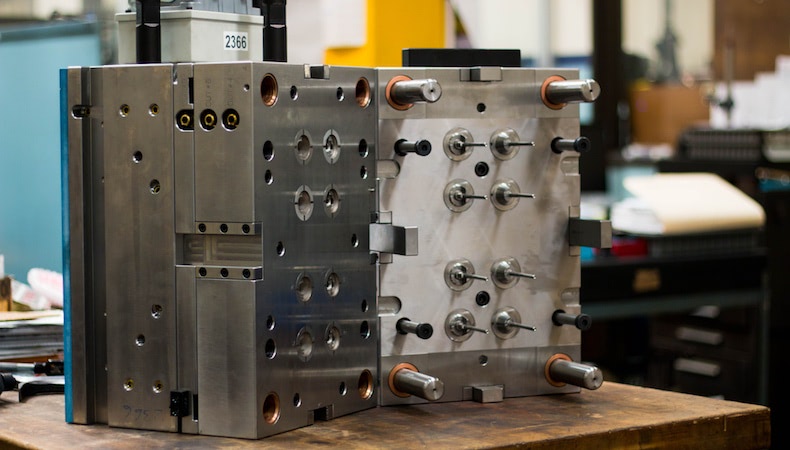
1. Introduction In injection molding, proper alignment and tolerancing of mold components are critical for ensuring high part quality, minimizing wear, and extending mold life. Misalignment or incorrect tolerances can lead to defects such as flash, mismatched parts, or poor dimensional control. This section outlines the techniques used to achieve and maintain precise mold alignment

Mold Alignment and Tolerancing Techniques Read More »

Inspection tools and techniques for die quality

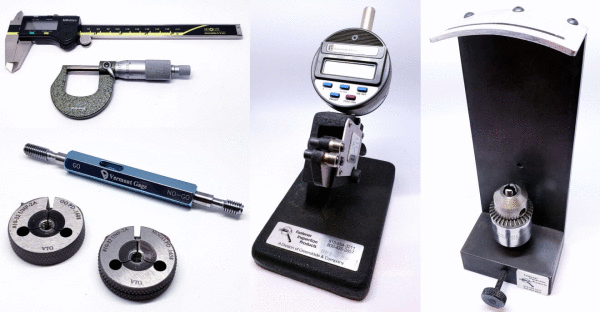
Ensuring the quality of a die is critical to achieving dimensional accuracy, surface finish, and product consistency in manufacturing processes such as stamping, forging, extrusion, and injection molding. Effective die inspection involves a combination of tools and techniques tailored to detect defects, ensure conformance to specifications, and prolong tool life. 1. Visual Inspection Visual inspection

Inspection tools and techniques for die quality Read More »

Cost Estimation for Die and Mould Projects

Cost estimation is a crucial part of die and mould manufacturing projects. Accurate cost estimation not only helps in budgeting and project planning but also ensures competitive pricing, profitability, and customer satisfaction. This document outlines the key components, factors influencing cost, and methods used in estimating the cost of die and mould projects. 1. Introduction

Cost Estimation for Die and Mould Projects Read More »

Thermal Analysis of Moulds

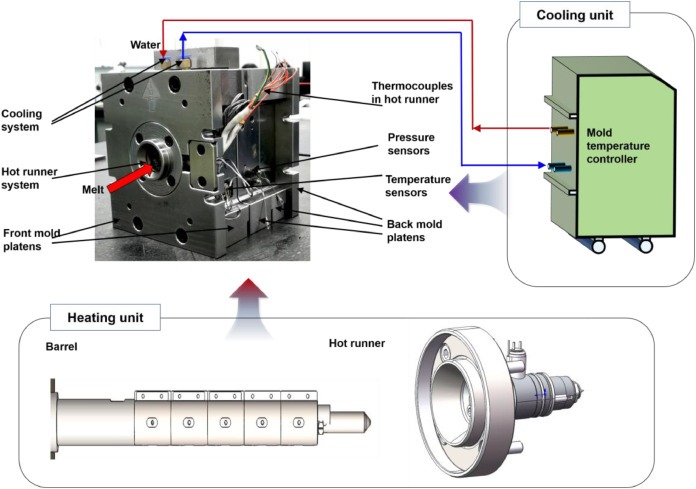
1. Introduction Thermal analysis of moulds is a critical aspect of the mould design and manufacturing process, particularly in casting, injection moulding, and other thermal-based forming techniques. The performance, dimensional accuracy, surface finish, and cycle time of the final product are significantly influenced by the temperature distribution and heat transfer within the mould. A thorough

Thermal Analysis of Moulds Read More »

Die alignment issues and correction methods

1. Introduction In manufacturing processes such as stamping, forging, injection molding, and die casting, the proper alignment of the die is critical to ensure high-quality output and minimize defects. Misalignment between the die halves or between the die and the press/fixture can lead to dimensional inaccuracies, surface defects, and increased wear of tools. Understanding die

Die alignment issues and correction methods Read More »

Additive Manufacturing (3D Printing) of Die Components

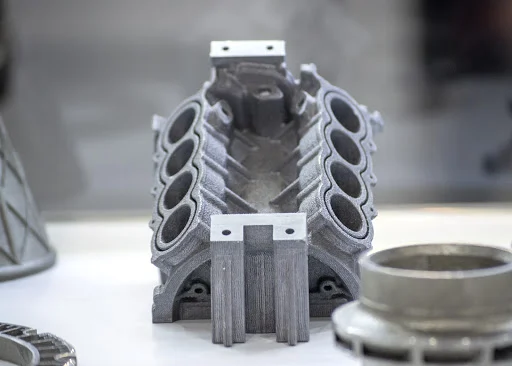
Additive Manufacturing (AM), commonly known as 3D printing, is revolutionizing the design and fabrication of die components in the tooling industry. Traditionally, die components—used in stamping, forging, injection molding, and die casting—are produced through subtractive methods like CNC machining, EDM (electrical discharge machining), and grinding. However, AM offers a powerful alternative by enabling layer-by-layer fabrication

Additive Manufacturing (3D Printing) of Die Components Read More »

Troubleshooting Flash, Sink Marks, and Short Shots

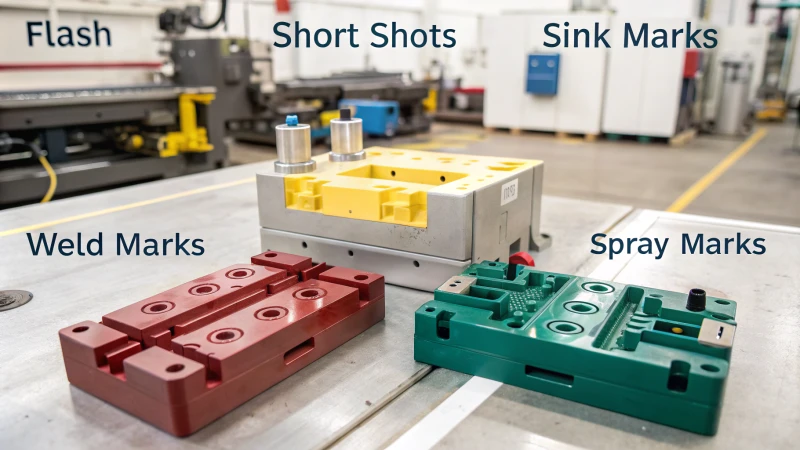
Injection molding defects can impact both the aesthetic and functional quality of a molded part. Three common issues are Flash, Sink Marks, and Short Shots. Understanding the root causes and corrective actions is critical for optimizing part quality, cycle time, and material usage. 1. Flash Definition:Flash is excess material that escapes from the mold cavity

Troubleshooting Flash, Sink Marks, and Short Shots Read More »

Scroll to Top