Injection Molding for Smart Wearable Devices

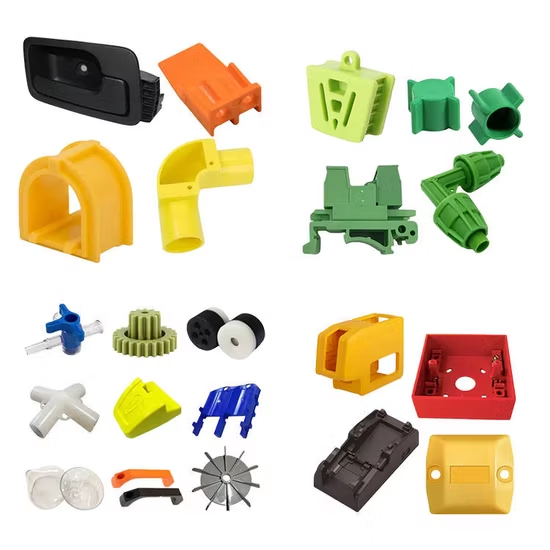
Smart wearable devices—such as fitness trackers, smartwatches, health monitors, and AR/VR headsets—are revolutionizing personal electronics and healthcare. These devices require compact, lightweight, and durable enclosures to protect sensitive electronic components while ensuring user comfort. Injection molding plays a vital role in manufacturing the housings and structural components of these wearables with high precision, scalability, and […]

Injection Molding for Smart Wearable Devices Read More »

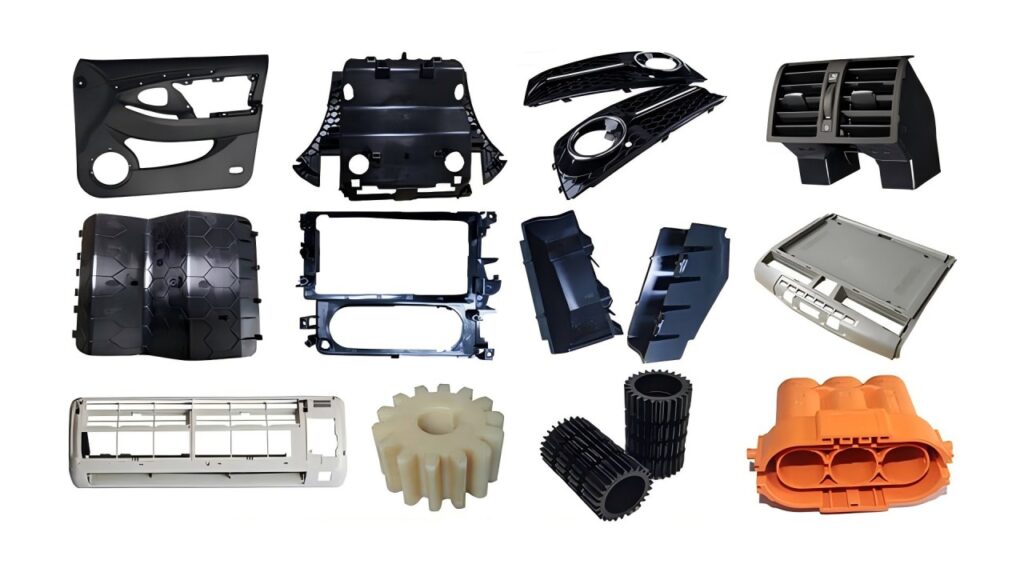
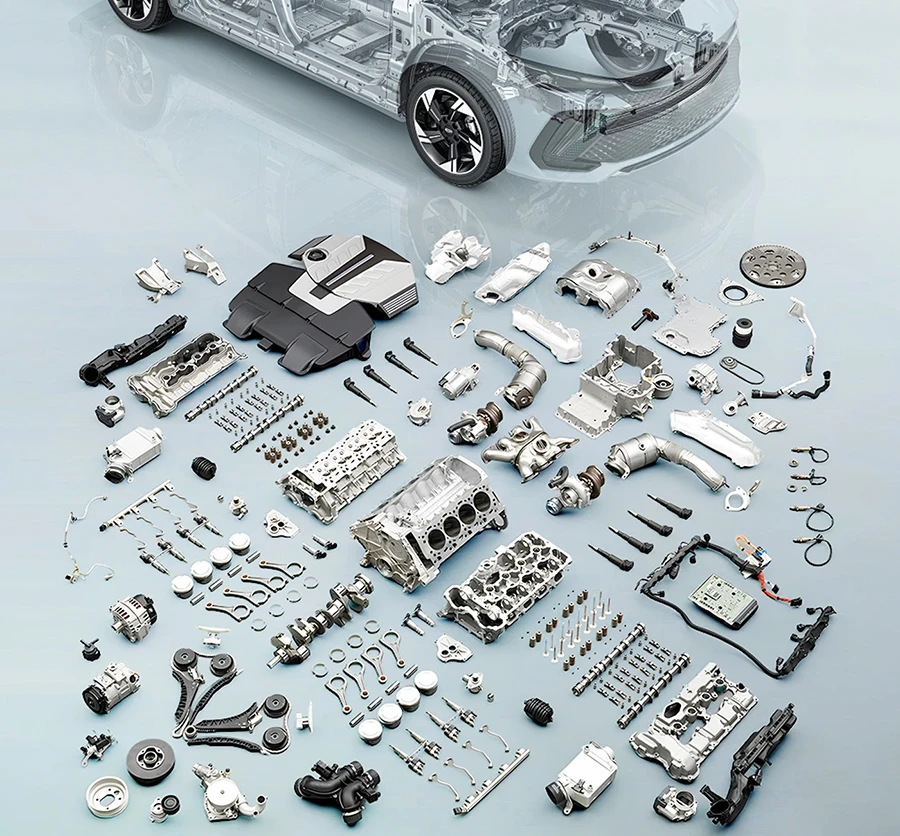
Sustainable Injection Molding in Automotive Industry

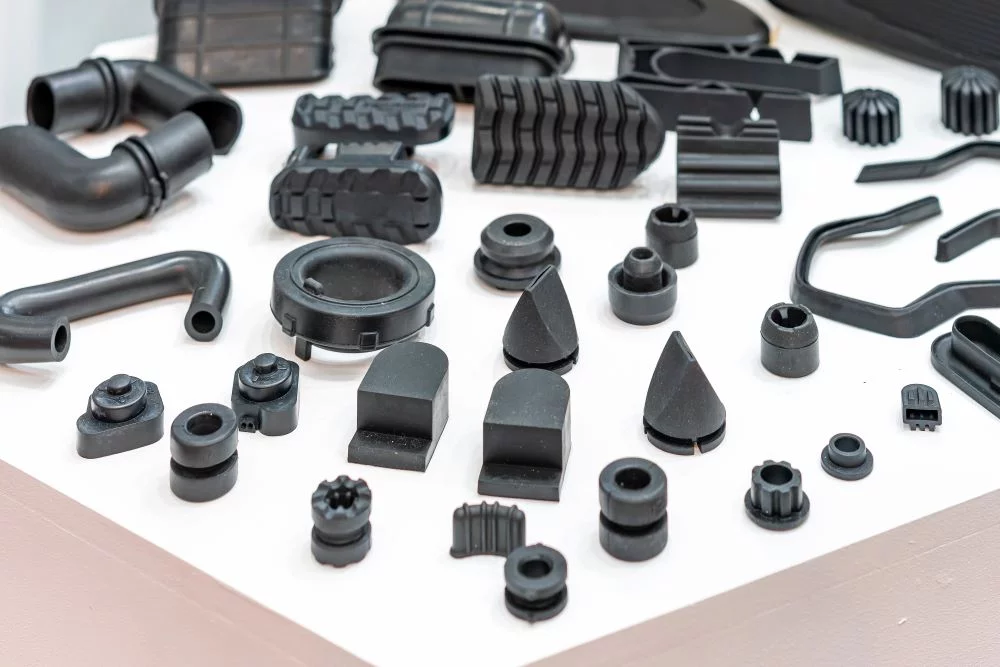
The automotive industry has long relied on injection molding for the mass production of high-precision plastic parts. As global attention shifts toward environmental sustainability, manufacturers are increasingly adopting sustainable injection molding practices. This shift is driven by regulatory pressures, consumer demand for greener vehicles, and corporate responsibility goals. What is Injection Molding? Injection molding is

Sustainable Injection Molding in Automotive Industry Read More »

Eco-Friendly Additives for Sustainable PVC Molding

As industries move toward greener manufacturing practices, the use of eco-friendly additives in PVC (Polyvinyl Chloride) molding is gaining significant momentum. Traditionally, PVC molding has relied on additives that improve processability, flexibility, thermal stability, and color. However, many of these additives—such as lead-based stabilizers and phthalate plasticizers—pose environmental and health risks. The shift to sustainable,

Eco-Friendly Additives for Sustainable PVC Molding Read More »

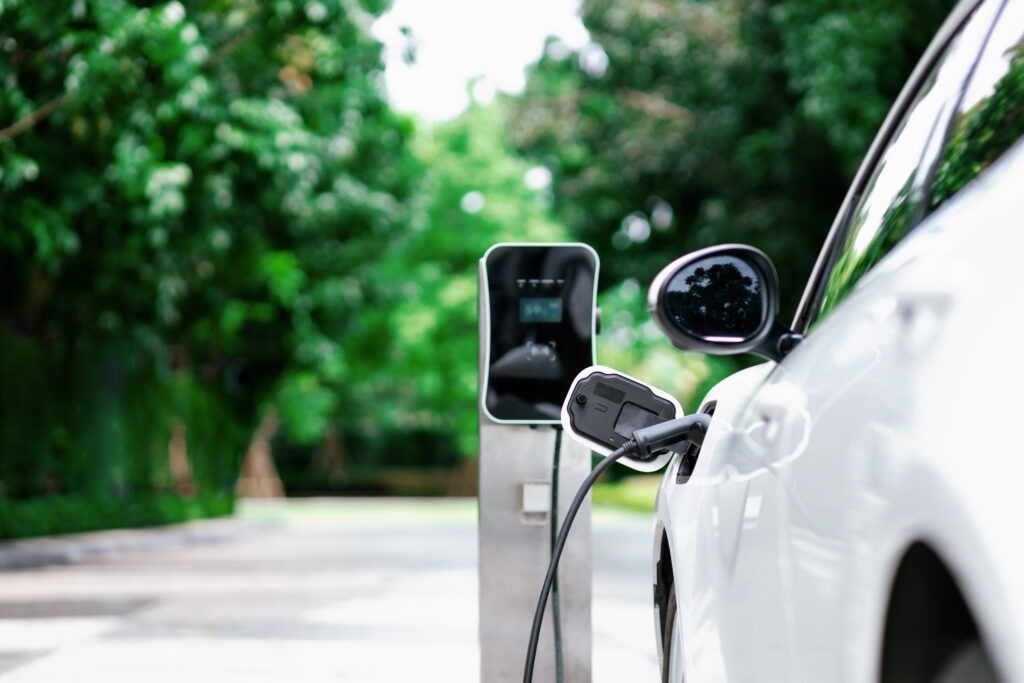
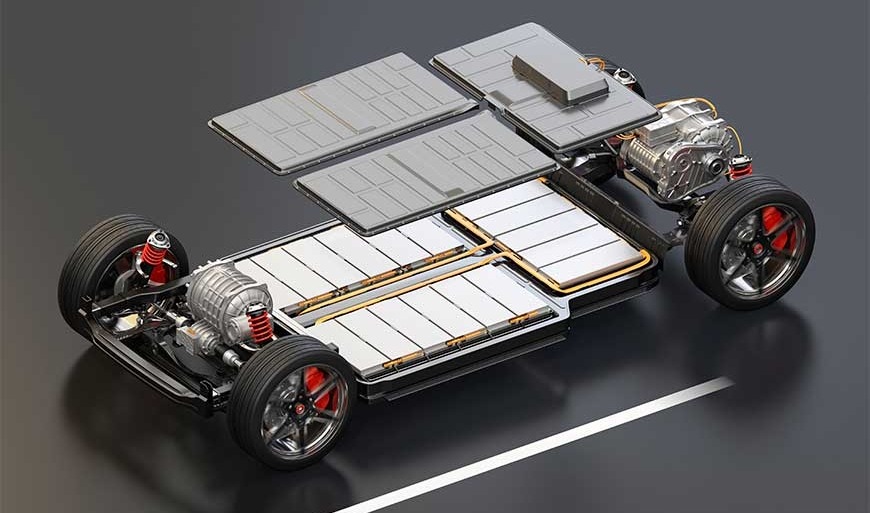
Injection Molding for Electric Vehicle Battery Components

As the global shift toward electric vehicles (EVs) accelerates, manufacturers are seeking innovative, scalable, and cost-effective production methods to meet the growing demand. One area seeing rapid advancement is the manufacturing of battery components—especially through injection molding. This process, traditionally used in the plastics and automotive industries, is now a key enabler of lightweight, high-performance,

Injection Molding for Electric Vehicle Battery Components Read More »

Eco-Friendly Mold Materials for Automobiles

As the automotive industry strives toward sustainability, one key area of innovation is the use of eco-friendly mold materials in vehicle manufacturing. Mold materials are essential in shaping various automotive components, especially plastic and composite parts used in interiors, exteriors, and under-the-hood applications. Traditionally, these molds were made from non-renewable, petroleum-based materials that pose environmental

Eco-Friendly Mold Materials for Automobiles Read More »

Energy-Efficient PVC Injection Molding Machines

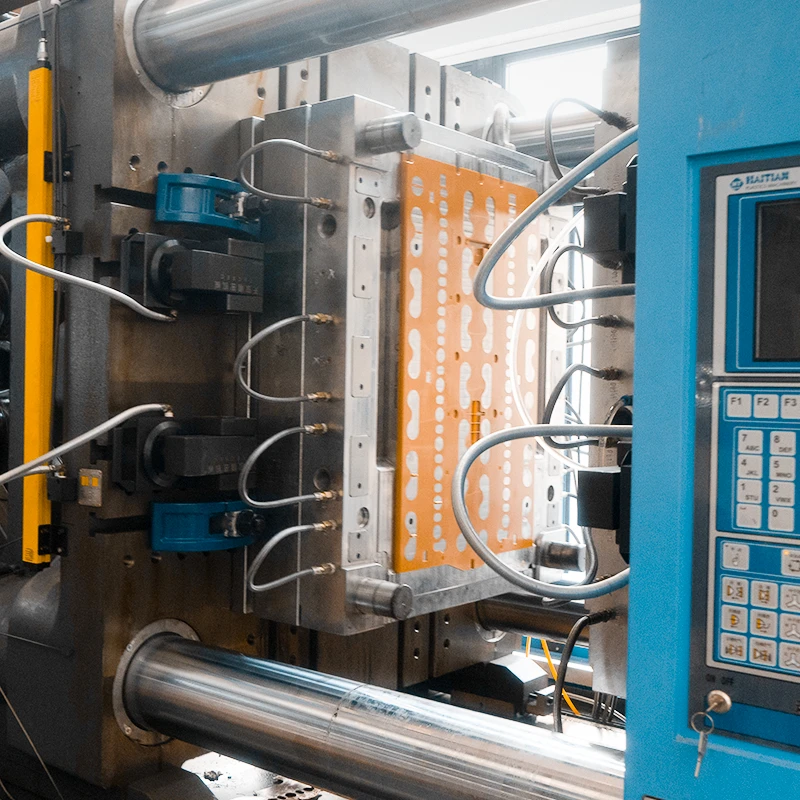
PVC (Polyvinyl Chloride) is a widely used thermoplastic polymer in various industries, including automotive, construction, healthcare, and consumer goods. The injection molding process is crucial for manufacturing PVC products with precision and consistency. However, traditional PVC injection molding machines can be energy-intensive, leading to high operational costs and environmental concerns. As a result, the industry

Energy-Efficient PVC Injection Molding Machines Read More »

Green Energy Usage in Injection Molding Factories

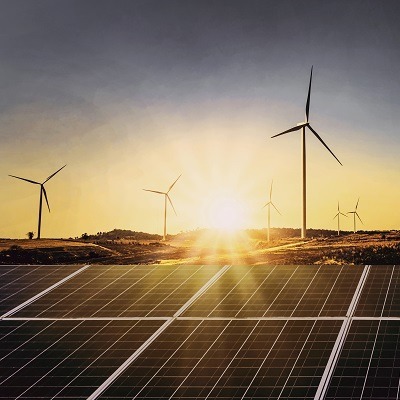
The push toward sustainability has significantly impacted the manufacturing sector, including injection molding—a process widely used in the production of plastic components. As environmental regulations tighten and public demand for eco-friendly practices increases, injection molding factories are turning to green energy as a key strategy for reducing their environmental footprint. 1. Overview of Injection Molding

Green Energy Usage in Injection Molding Factories Read More »

Predictive Maintenance for Automotive Molds

In the competitive landscape of the automotive industry, ensuring high product quality and reducing downtime are top priorities. Automotive molds—used in manufacturing components like bumpers, dashboards, and lighting assemblies—are critical tools in this process. Predictive maintenance (PdM) offers a proactive approach to maintaining these molds, using data-driven insights to anticipate failures before they occur. What

Predictive Maintenance for Automotive Molds Read More »

Reducing PVC Waste in High-Volume Manufacturing

Polyvinyl chloride (PVC) is a widely used plastic in various industries including construction, automotive, medical devices, and consumer goods. Its versatility and low cost make it a popular material in high-volume manufacturing. However, the production and disposal of PVC contribute significantly to environmental concerns, particularly due to its non-biodegradable nature and the harmful chemicals involved

Reducing PVC Waste in High-Volume Manufacturing Read More »

Zero-Waste Strategies in Injection Molding

Injection molding is a widely used manufacturing process for producing plastic parts in high volumes. However, like many industrial processes, it can generate significant waste if not properly managed. Adopting zero-waste strategies in injection molding not only reduces environmental impact but also improves operational efficiency and cost-effectiveness. Below are key zero-waste strategies commonly implemented in

Zero-Waste Strategies in Injection Molding Read More »

Scroll to Top