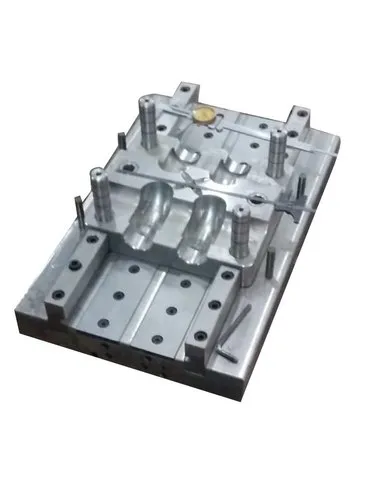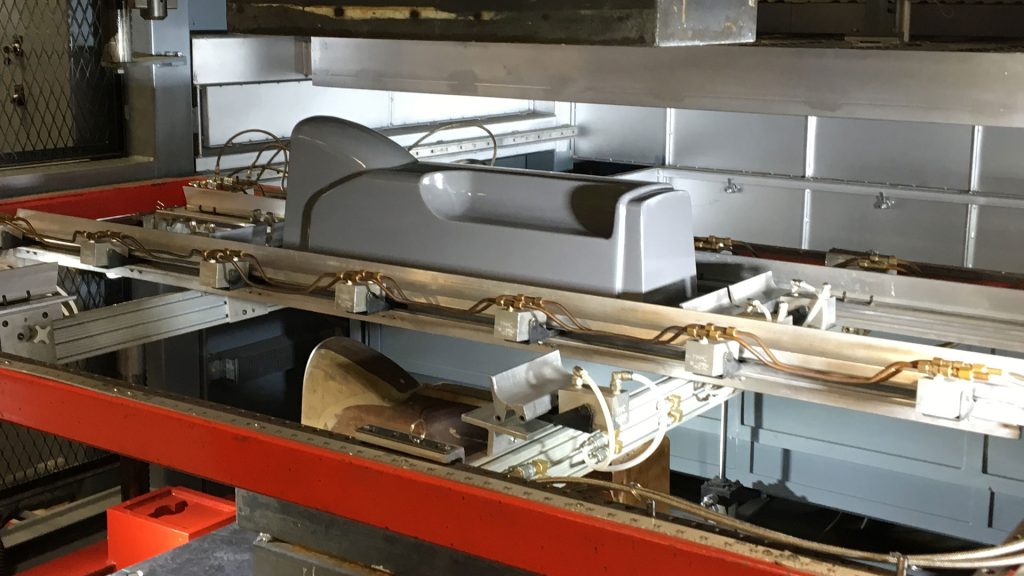
Thermoforming is a manufacturing process used to shape thermoplastic sheets or films into specific forms. The material is heated until it becomes soft and flexible, formed over or inside a mould, and then cooled to retain the desired shape.
Here is the thermoforming process explained step by step:
1. Select the Thermoplastic Sheet
Choose a suitable thermoplastic material according to the product requirements. Factors such as material type, thickness, flexibility, strength, and forming temperature should be considered.
2. Clamp the Sheet
The plastic sheet is secured in a thermoforming machine using a clamping frame. Proper clamping prevents the sheet from moving during heating and forming.
3. Heat the Sheet
The clamped sheet is heated using heating elements until it reaches the appropriate forming temperature. The sheet should become soft and flexible without overheating or degrading.
4. Position the Mould
The mould is positioned correctly below or above the heated sheet, depending on the machine and forming method. The mould surface determines the final shape and surface details.
5. Form the Heated Sheet
The softened sheet is brought into contact with the mould. Different techniques may be used:
- Vacuum forming: Vacuum removes air between the sheet and mould, pulling the sheet tightly against the mould.
- Pressure forming: Compressed air pushes the sheet against the mould to achieve greater detail.
- Mechanical forming: A physical tool helps shape the heated material.
6. Apply Vacuum or Pressure
The forming force must be controlled so that the material reaches the required areas of the mould evenly. Proper control helps reduce defects such as wrinkles and uneven thickness.
7. Cool the Product
Once the sheet has taken the mould’s shape, it is cooled while held in position. Cooling allows the thermoplastic to become rigid and retain its new shape.
8. Release and Demould
After sufficient cooling, the vacuum or pressure is released and the formed product is carefully separated from the mould.
9. Trim Excess Material
The formed sheet normally contains excess material around its edges. Cutting or trimming removes this material and gives the product its final dimensions.
10. Inspect the Finished Product
The final product is checked for:
- Correct dimensions
- Shape accuracy
- Surface finish
- Wall thickness
- Cracks or tears
- Wrinkles
- Warping
- Other visible defects
Simple Thermoforming Process
Plastic Sheet → Clamping → Heating → Mould Positioning → Forming → Vacuum/Pressure → Cooling → Demoulding → Trimming → Inspection → Finished Product
Important Factors for Good Results
Several parameters need to be controlled carefully:
- Sheet thickness
- Heating temperature
- Heating time
- Material type
- Mould design
- Vacuum or pressure level
- Forming speed
- Cooling time
- Product depth
- Demoulding method
Common Thermoforming Defects
Improper process settings can result in:
- Uneven wall thickness
- Wrinkles
- Webbing
- Warping
- Tears
- Incomplete forming
- Surface defects
- Difficulty during demoulding
Conclusion
The thermoforming process combines controlled heating, moulding, pressure or vacuum, cooling, and trimming to convert a flat thermoplastic sheet into a finished three-dimensional product. Proper control of each step helps achieve accurate shapes, consistent dimensions, and good surface quality.