Introduction:
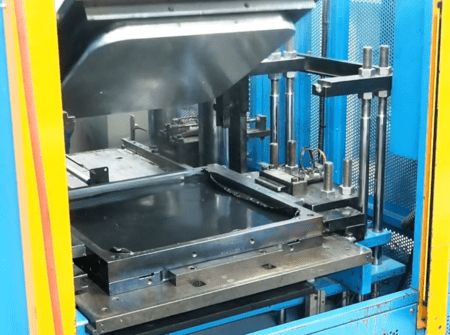
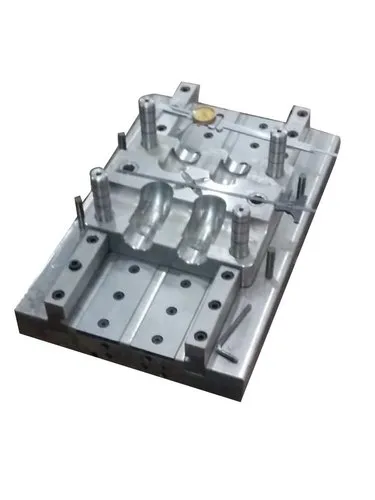
Transfer moulding is a widely used process for producing high-precision and complex thermosetting plastic components. In this process, the plastic material is preheated and then forced into a closed mould cavity through sprues and runners using a transfer plunger. With advancements in technology, electronic control systems have been integrated into transfer moulds to enhance precision, efficiency, and process consistency.
1. Principle of Operation
In a transfer moulding system with electronic control, the entire process — from material heating to pressure application and curing — is monitored and regulated electronically. Sensors and programmable logic controllers (PLCs) are employed to control parameters such as:
Mould temperature
Injection pressure
Transfer time and speed
Curing cycle and duration
The integration of electronic control ensures that the moulding process follows a predefined sequence with minimal variation, leading to consistent product quality.
2. Components of an Electronically Controlled Transfer Mould
Heated Mould Assembly:
Equipped with electric heaters and thermocouples for accurate temperature control.Transfer Pot and Plunger System:
The plunger movement is controlled by servo or hydraulic actuators with electronic feedback.Sensors and Feedback Devices:
Measure temperature, pressure, and position, providing real-time data to the controller.Electronic Control Unit (ECU) / PLC:
The central unit that processes sensor data and regulates actuators according to the preset moulding parameters.Human–Machine Interface (HMI):
A touchscreen or digital panel for operators to set, monitor, and adjust process parameters easily.
3. Advantages of Electronic Control in Transfer Moulds
High Precision and Consistency:
Electronic feedback ensures accurate control over moulding conditions, reducing part variation.Reduced Material Waste:
Optimized control of temperature and pressure minimizes overflows and flash formation.Enhanced Productivity:
Automatic cycle control reduces operator dependency and increases production speed.Improved Quality Control:
Continuous monitoring allows for early detection of deviations, ensuring defect-free components.Energy Efficiency:
Smart temperature regulation and cycle optimization lead to lower power consumption.Data Logging and Traceability:
Process data can be stored and analyzed for quality assurance and process improvement.
4. Applications
Electronically controlled transfer moulds are used in industries that require tight dimensional accuracy and superior surface finish, such as:
Automotive (ignition components, gaskets, connectors)
Electrical and electronics (switches, relays, encapsulated coils)
Aerospace (high-heat resistant components)
Industrial equipment (seals, insulators, housings)
5. Future Trends
Modern transfer moulding systems are increasingly integrating with Industry 4.0 technologies, including:
IoT-based monitoring for remote diagnostics
AI-driven process optimization
Predictive maintenance based on sensor analytics
Fully automated moulding lines for high-volume, zero-defect production
Conclusion
Transfer moulds with electronic control represent a significant advancement in precision moulding technology. By combining traditional transfer moulding principles with modern electronic automation, manufacturers can achieve higher productivity, superior quality, and consistent performance. This integration is setting new standards in moulding technology, particularly in sectors demanding high reliability and repeatability.