Author name: admin

Steel Selection for Compression Moulds

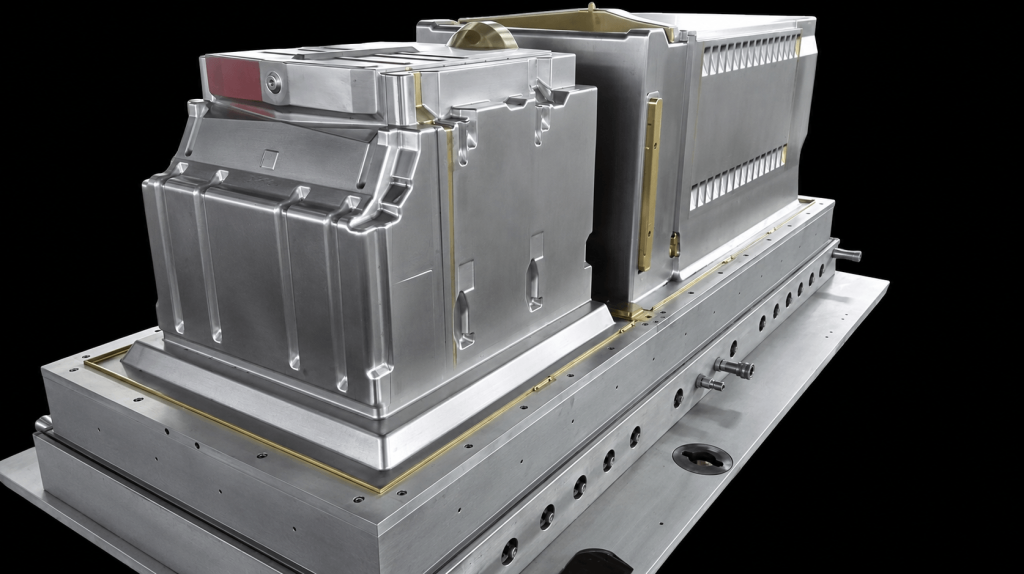
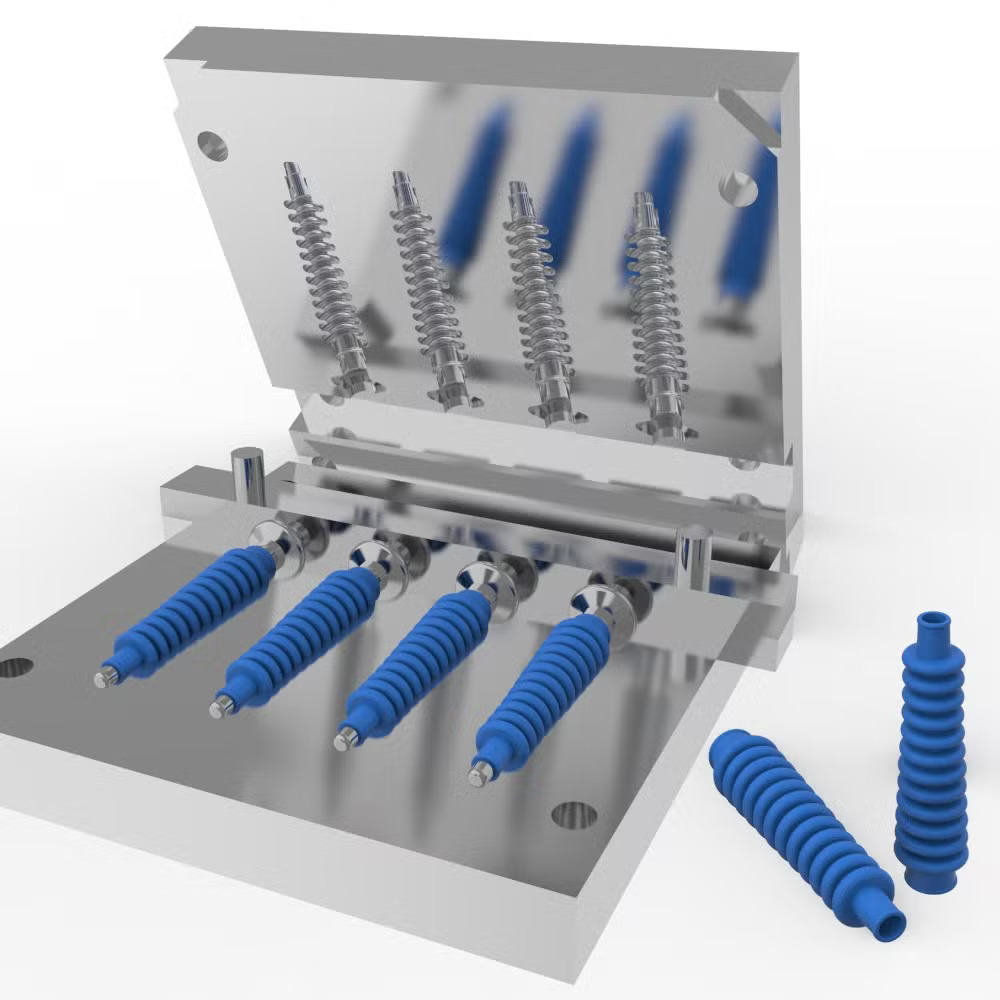
Steel selection for compression moulds is an important engineering consideration because the mould is subjected to repeated mechanical pressure, friction, heating and cooling cycles, and wear during production. The correct steel must provide a suitable combination of strength, hardness, toughness, wear resistance, dimensional stability, corrosion resistance, machinability, and heat-treatment capability. For candle manufacturing, compression moulds […]

Steel Selection for Compression Moulds Read More »
Vacuum Channels and Their Importance

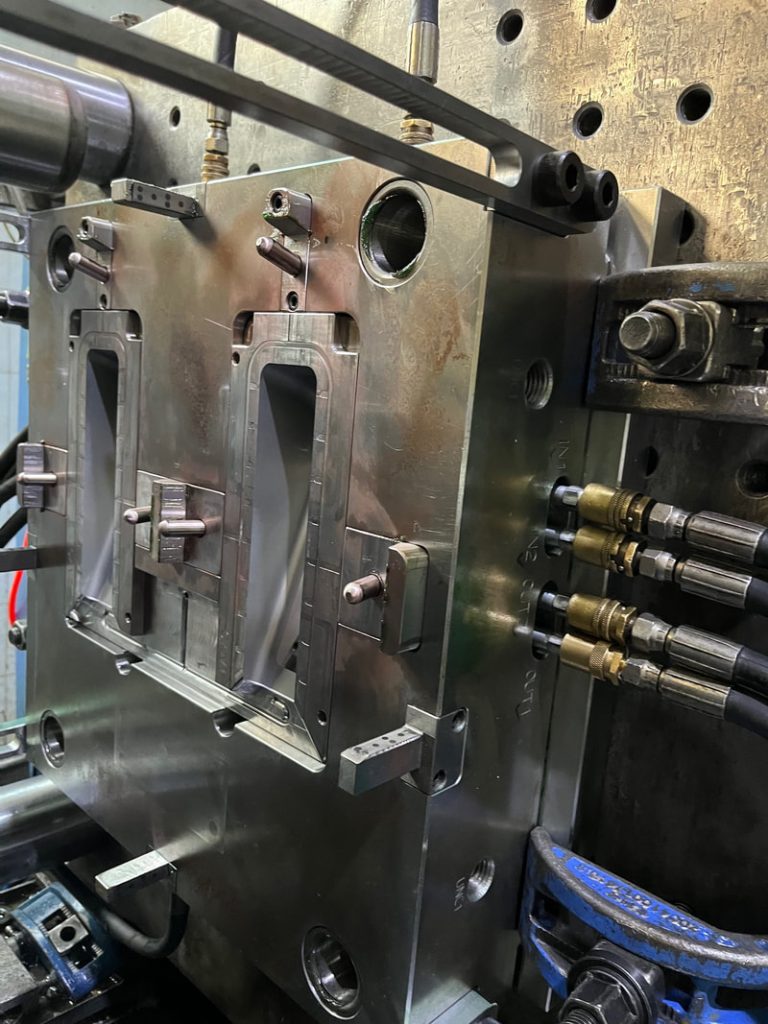
Vacuum channels are passages incorporated into thermoforming moulds to remove trapped air between the heated plastic sheet and the mould surface during the forming process. They are an important part of vacuum-forming mould design because they allow atmospheric pressure to push the plastic sheet accurately against the mould. A properly designed vacuum-channel system helps achieve

Vacuum Channels and Their Importance Read More »

Compression Mould Materials

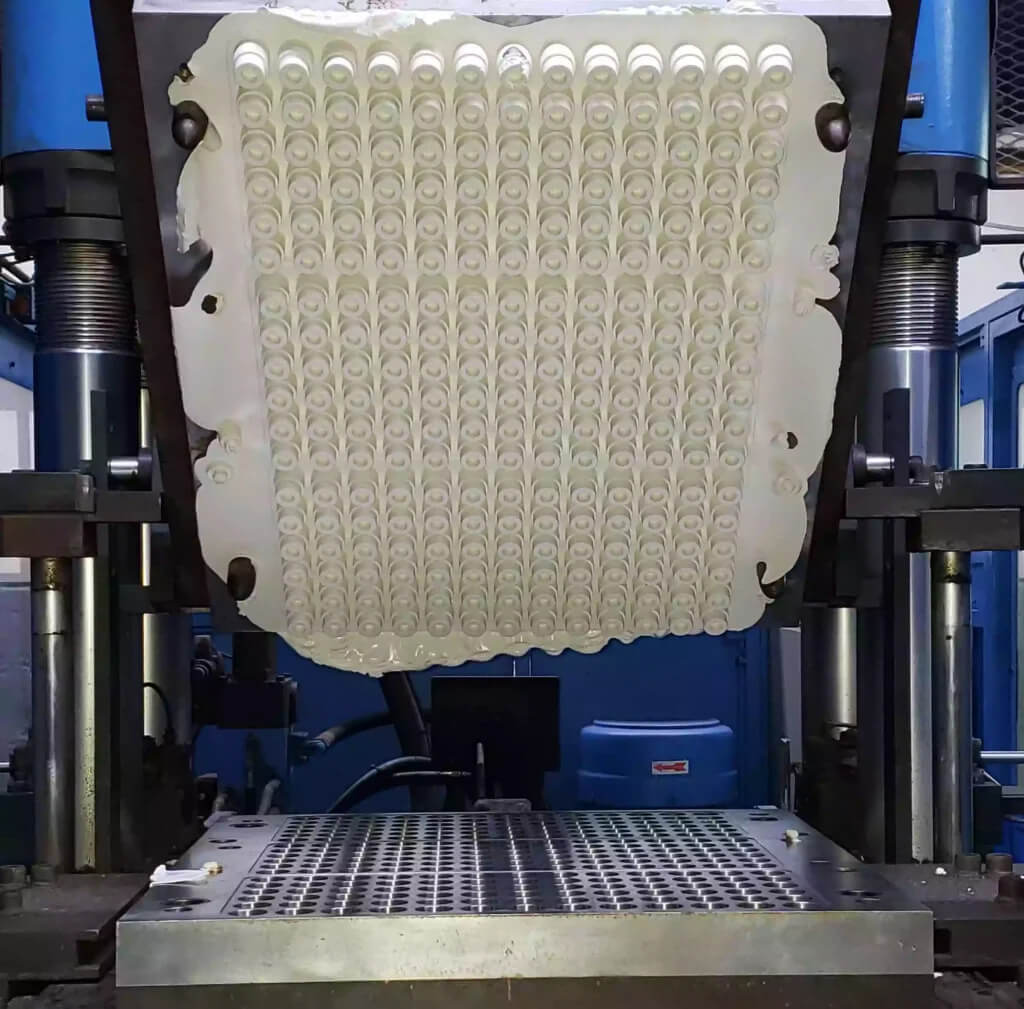
Compression mould materials are selected according to the moulding material, operating temperature, moulding pressure, production volume, required dimensional accuracy, surface finish, and expected tool life. The mould material must withstand repeated heating and cooling cycles, mechanical pressure, wear, and chemical interaction with the moulding compound. A properly selected mould material provides good dimensional stability, reliable

Compression Mould Materials Read More »

How to Design an Injection Mould

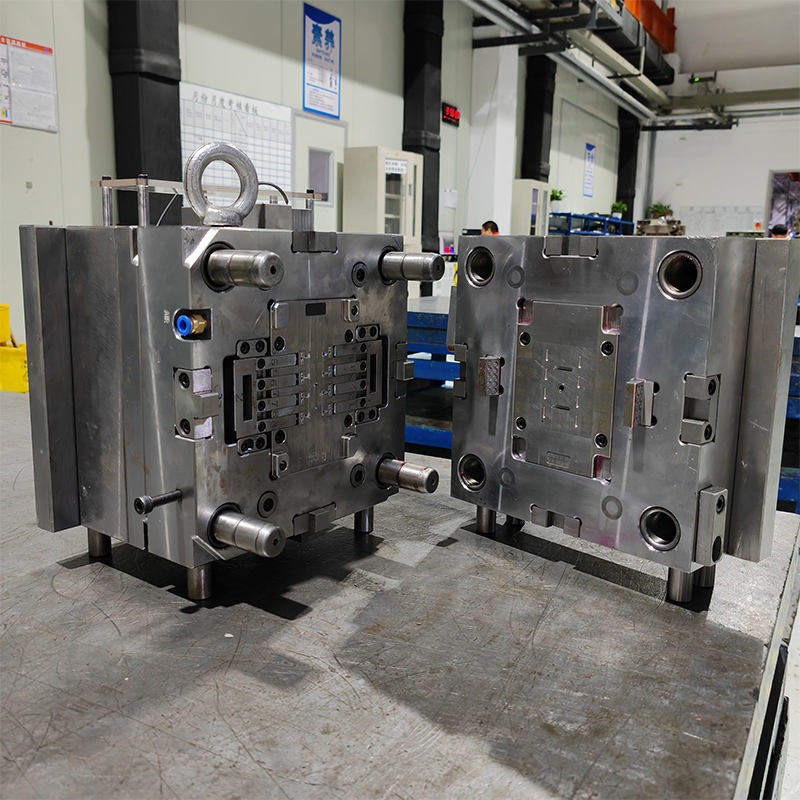
Designing an injection mould involves developing a tool that can consistently produce high-quality plastic components with accurate dimensions, efficient cycle times, and reliable mould life. A well-designed injection mould must account for the part geometry, plastic material, filling behaviour, cooling, shrinkage, ejection, and manufacturing requirements. The mould design process generally begins with a detailed evaluation

How to Design an Injection Mould Read More »

Vent Hole Design in Thermoforming Moulds

Vent hole design is an essential part of thermoforming mould development, particularly in vacuum and pressure thermoforming. Vent holes allow trapped air between the heated plastic sheet and the mould surface to escape, enabling the sheet to conform accurately to the mould geometry. Properly designed venting helps achieve complete forming, accurate reproduction of fine details,

Vent Hole Design in Thermoforming Moulds Read More »

Choosing the Right Compression Mould

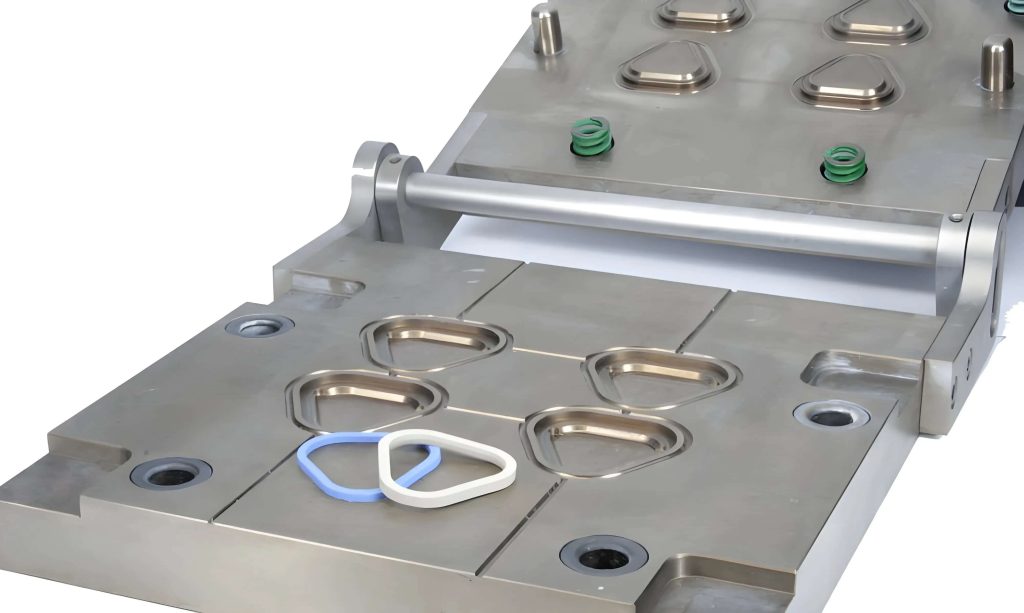
Choosing the right compression mould is an important step in achieving consistent product quality, efficient production, controlled material usage, and reliable mould performance. The appropriate mould type depends on the material being processed, component geometry, dimensional requirements, production volume, and the desired level of flash control. Compression moulds are commonly used for thermoset plastics, rubber,

Choosing the Right Compression Mould Read More »

Injection Mould Design Basics

Injection mould design is the process of developing a moulding tool that can reliably produce plastic components with the required geometry, dimensional accuracy, surface finish, and production efficiency. A well-designed injection mould must account for the part design, plastic material, injection process, cooling requirements, ejection, moulding machine, and expected production volume. An injection mould generally

Injection Mould Design Basics Read More »

Scroll to Top