Injection moulding machines play a crucial role in modern manufacturing by enabling the mass production of precise, high-quality plastic components with exceptional efficiency. They are the backbone of industries such as automotive, electronics, medical devices, packaging, and consumer goods, where accuracy, consistency, and repeatability are essential.
1. Fundamental Function
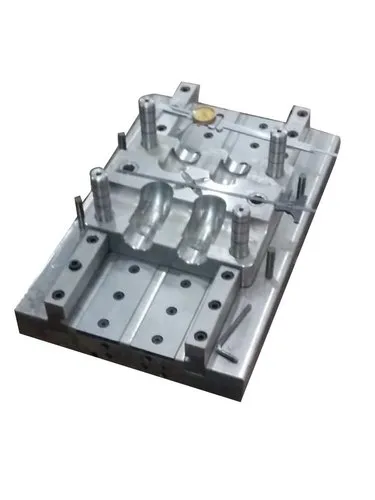
The primary function of an injection moulding machine is to melt plastic material and inject it under high pressure into a mould cavity. Once the material cools and solidifies, the mould opens to release the finished product. This process allows for the production of complex shapes and fine details that are difficult to achieve through other manufacturing methods.
2. Key Components
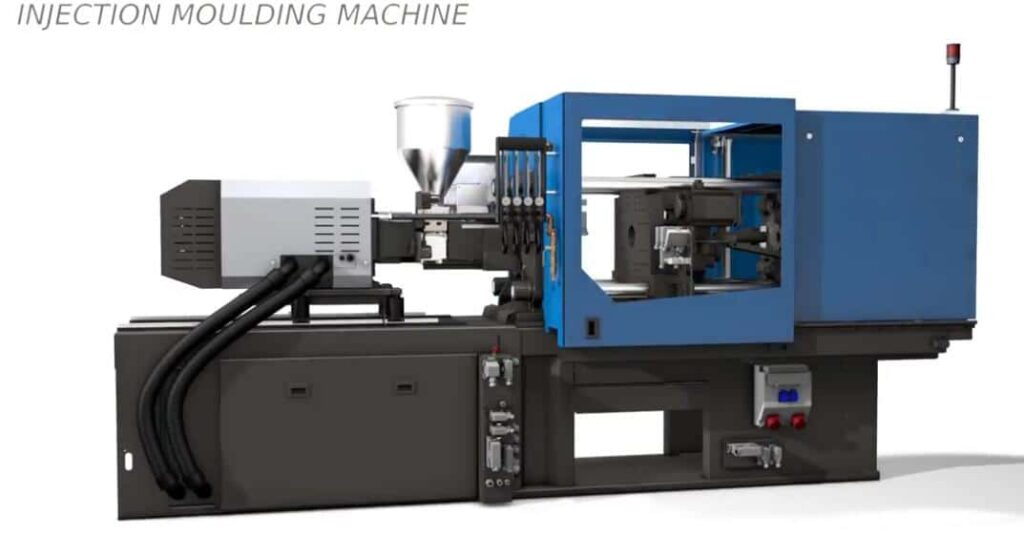
An injection moulding machine typically consists of three main units:
Injection Unit: Responsible for melting and injecting the plastic into the mould using a reciprocating screw and barrel system.
Clamping Unit: Holds the mould in place and applies the necessary pressure to keep it closed during injection and cooling.
Control System: Monitors and manages parameters such as temperature, pressure, and injection speed to ensure consistent product quality.
3. Types of Injection Moulding Machines
Depending on the drive system and application, machines are categorized as:
Hydraulic Machines: Provide high clamping force and are ideal for large and heavy components.
Electric Machines: Offer high precision, energy efficiency, and faster cycle times — suitable for small, intricate parts.
Hybrid Machines: Combine hydraulic power with electric efficiency for balanced performance and versatility.
4. Advantages in Production
High Productivity: Capable of producing thousands of identical parts with minimal human intervention.
Precision and Consistency: Advanced control systems ensure tight dimensional tolerances and repeatability.
Material Versatility: Compatible with a wide range of thermoplastics, thermosets, and composite materials.
Reduced Waste: The process allows for optimized material usage and easy recycling of sprues and runners.
5. Role in Modern Manufacturing
Injection moulding machines have evolved with automation, robotics, and digital controls, leading to the rise of smart factories. They now integrate sensors, data analytics, and IoT technologies for real-time monitoring, predictive maintenance, and process optimization. This not only improves product quality but also reduces downtime and operational costs.
6. Applications Across Industries
Automotive: Bumpers, dashboards, and interior trims
Electronics: Housings, connectors, and switches
Medical: Syringes, diagnostic components, and casings
Consumer Goods: Chairs, containers, and household items
7. Conclusion
Injection moulding machines are at the heart of plastic product manufacturing. Their ability to produce complex, high-precision components efficiently makes them indispensable in today’s industrial landscape. Continuous advancements in machine technology — such as automation, energy optimization, and smart controls — are further expanding their role in shaping the future of modern production.