July 2025

Comparing Thermoplastics for Cosmetic Moulding

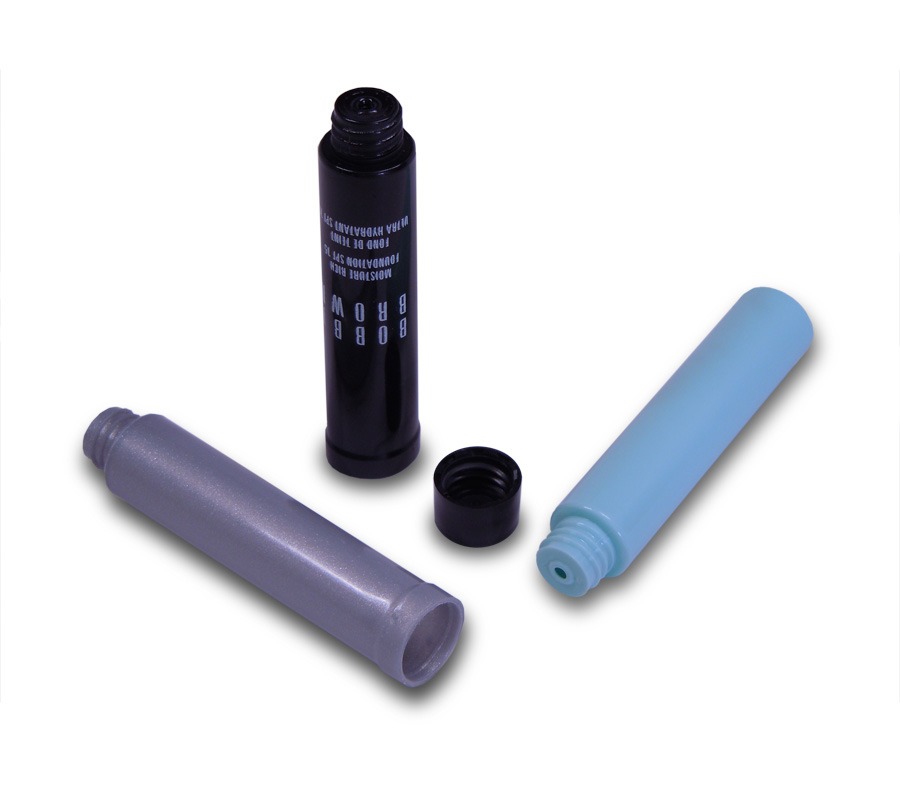
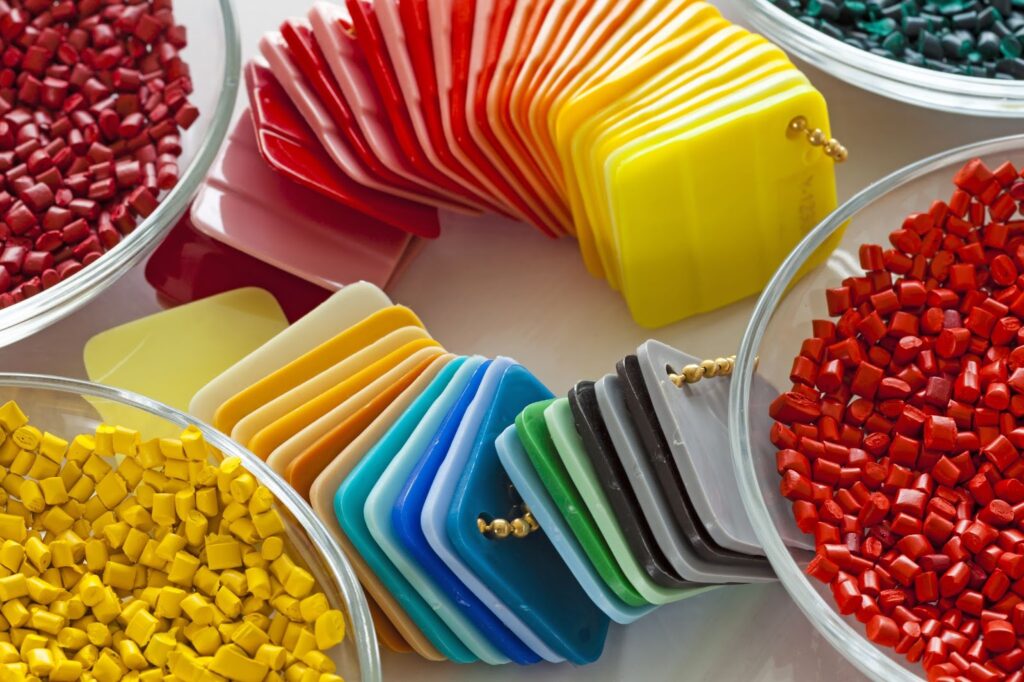
Cosmetic moulding refers to the manufacturing of aesthetically appealing plastic parts used in consumer-facing products such as beauty devices, personal care packaging, and electronic housings. In these applications, the visual quality, surface finish, colorability, and dimensional accuracy are as important as mechanical properties. Choosing the right thermoplastic is crucial to achieve the desired cosmetic and […]

Comparing Thermoplastics for Cosmetic Moulding Read More »
Regulatory Standards for Food and Pharma Closures

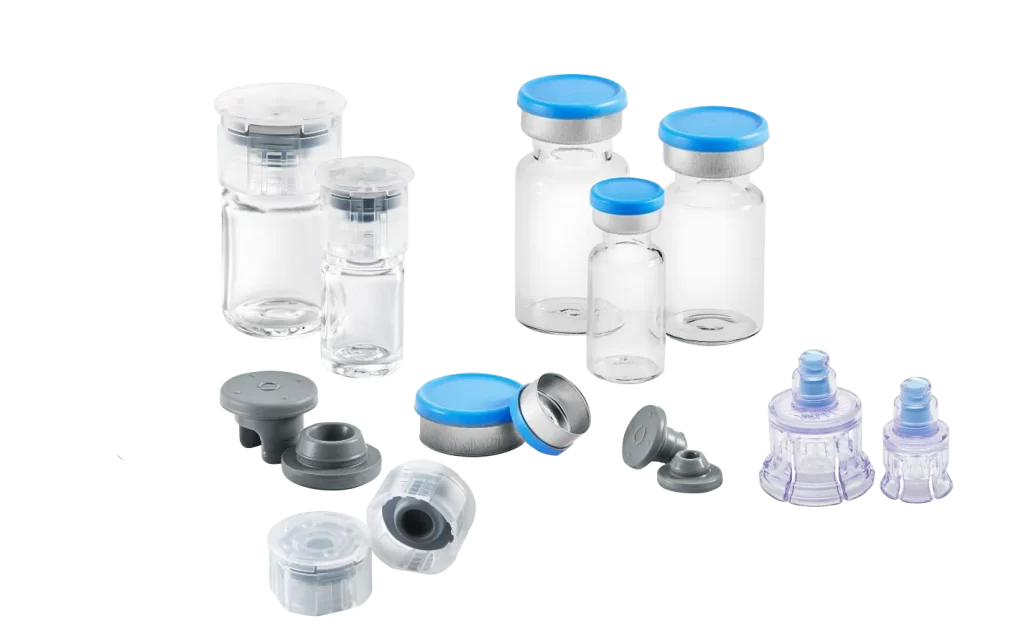
Closures—such as caps, lids, stoppers, and seals—play a critical role in maintaining the safety, integrity, and quality of products in the food and pharmaceutical industries. These components must meet stringent regulatory standards to ensure they are safe, effective, and compatible with the product they are protecting. This document outlines the key regulatory standards and considerations

Regulatory Standards for Food and Pharma Closures Read More »

Prototyping Techniques for Blow Molded Products

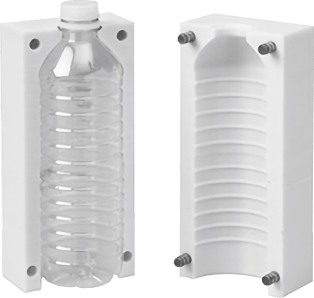
Blow molding is a widely used manufacturing process for producing hollow plastic parts such as bottles, containers, and automotive components. Before committing to full-scale production, prototyping is essential to validate the design, functionality, and manufacturability of blow molded products. The right prototyping techniques can significantly reduce development time, cost, and risk. 1. Importance of Prototyping

Prototyping Techniques for Blow Molded Products Read More »

Role of CNC Machining in Cosmetic Mould Production

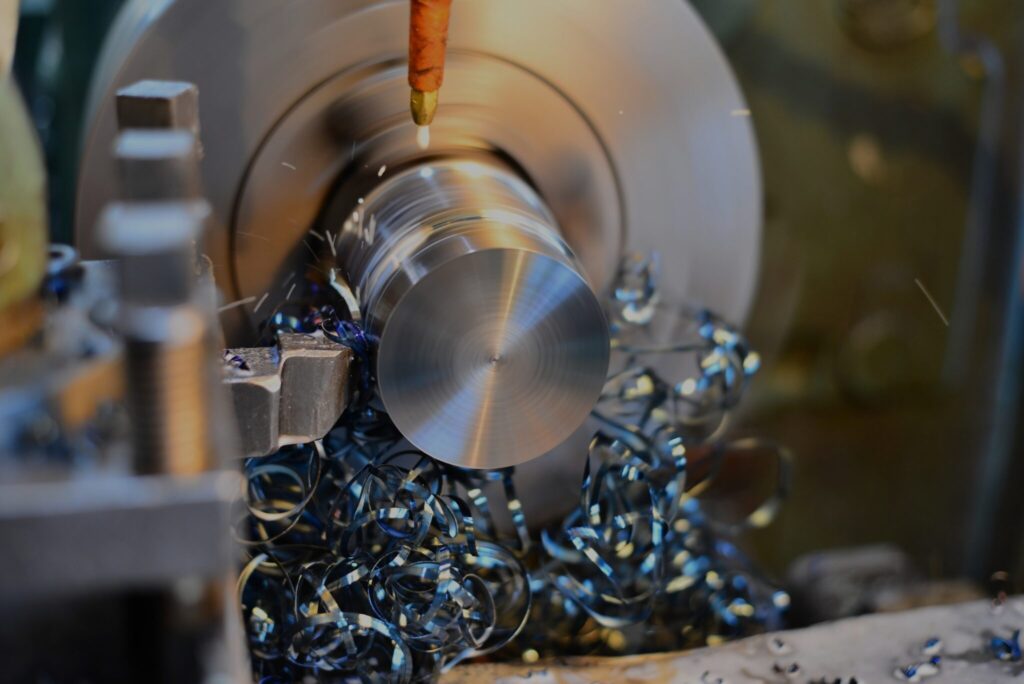
Cosmetic products often require precision-engineered packaging that is not only functional but also visually appealing. This makes the production of cosmetic moulds a critical aspect of the manufacturing process. Among the various techniques available, CNC (Computer Numerical Control) machining plays a pivotal role in delivering high-quality, reliable, and repeatable moulds for the cosmetic industry. 1.

Role of CNC Machining in Cosmetic Mould Production Read More »

Environmental Impact of Plastic Closures

Plastic closures—commonly used to seal bottles, jars, and other containers—play a vital role in maintaining product integrity and shelf life. However, their environmental impact has become a growing concern due to widespread plastic pollution and the increasing demand for sustainability. While they are small in size, plastic closures contribute significantly to the broader plastic waste

Environmental Impact of Plastic Closures Read More »

Simulation and CAE Tools for Blow Moulding Design

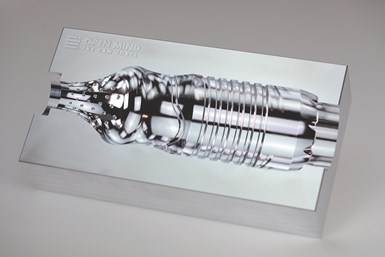
Blow moulding is a widely used manufacturing process for producing hollow plastic parts such as bottles, containers, and tanks. The success of blow moulding relies heavily on optimizing design parameters to ensure product quality, structural integrity, and efficient material usage. Simulation and Computer-Aided Engineering (CAE) tools play a crucial role in achieving these goals by

Simulation and CAE Tools for Blow Moulding Design Read More »

Case Study: High-Volume Moulding for a Global Beauty Brand

Client Overview A leading global beauty brand with a strong presence in over 120 countries. The company specializes in skincare, cosmetics, and personal care products. Their commitment to innovation and quality requires precise, large-scale manufacturing capabilities. Challenge As part of a major product launch, the client required: High-volume production of custom-designed plastic components for a

Case Study: High-Volume Moulding for a Global Beauty Brand Read More »

Anti-Counterfeiting Solutions in Closures

Introduction Counterfeiting is a global challenge affecting industries ranging from pharmaceuticals and beverages to cosmetics and consumer goods. Packaging, particularly closures (caps, lids, seals), plays a critical role in the fight against counterfeit products. Closures are often the first line of defense, providing opportunities to integrate overt, covert, and digital security features that safeguard brand

Anti-Counterfeiting Solutions in Closures Read More »

Colour Matching and Additive Dispersion in Cosmetic Moulding

1. Introduction Cosmetic moulding refers to plastic moulding processes where the surface appearance, including color, texture, and uniformity, is critical—particularly in consumer-facing products such as beauty packaging, electronics, or automotive interiors. Achieving consistent and accurate color requires meticulous colour matching and effective dispersion of pigments and additives. 2. Colour Matching 2.1 Definition Colour matching is

Colour Matching and Additive Dispersion in Cosmetic Moulding Read More »

Scroll to Top