October 2025

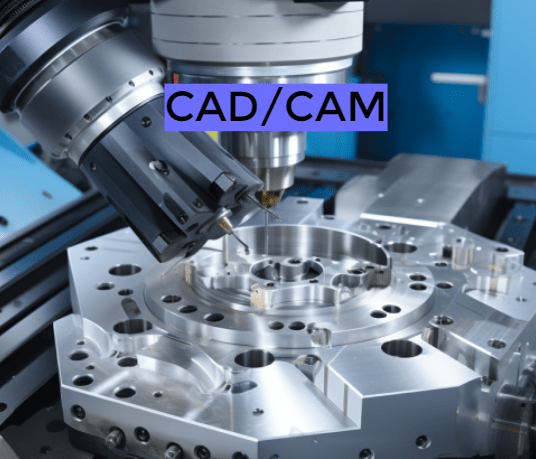
CAD/CAM in Automobile Mould Design

The automotive industry relies heavily on precision-engineered components for performance, safety, and aesthetic quality. One of the critical aspects in manufacturing automotive parts—especially plastic and metal components—is the design and creation of moulds. CAD (Computer-Aided Design) and CAM (Computer-Aided Manufacturing) technologies have revolutionized the mould design and manufacturing processes, bringing accuracy, efficiency, and flexibility to […]

CAD/CAM in Automobile Mould Design Read More »
Design Considerations for Electronic Moulds

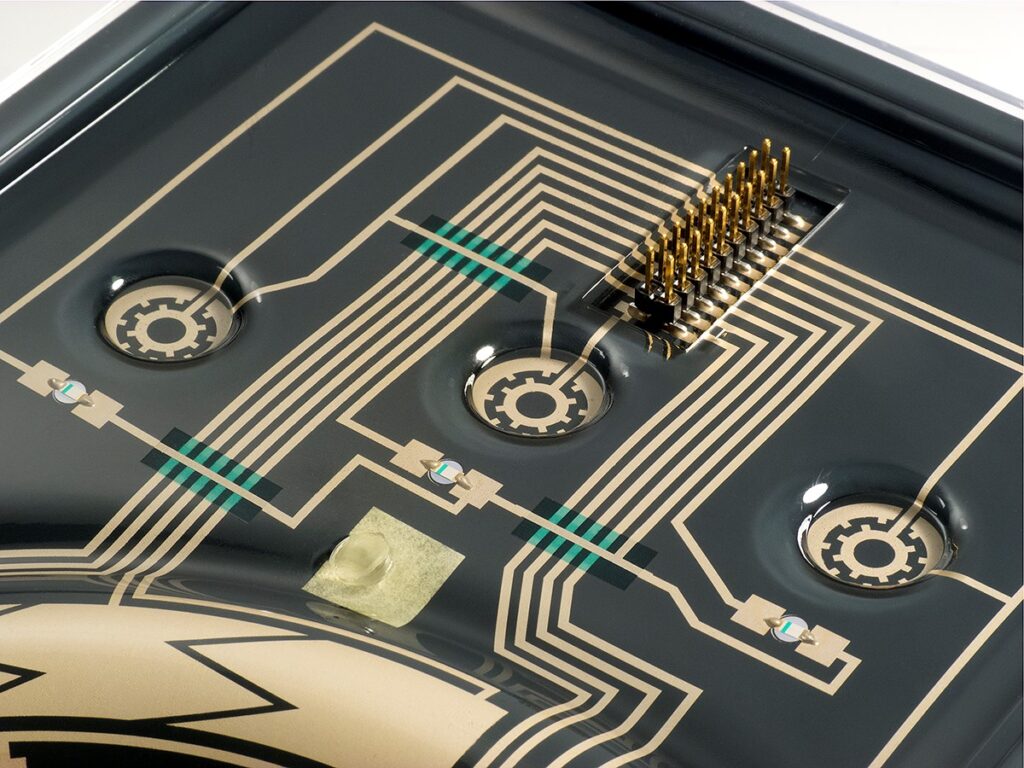
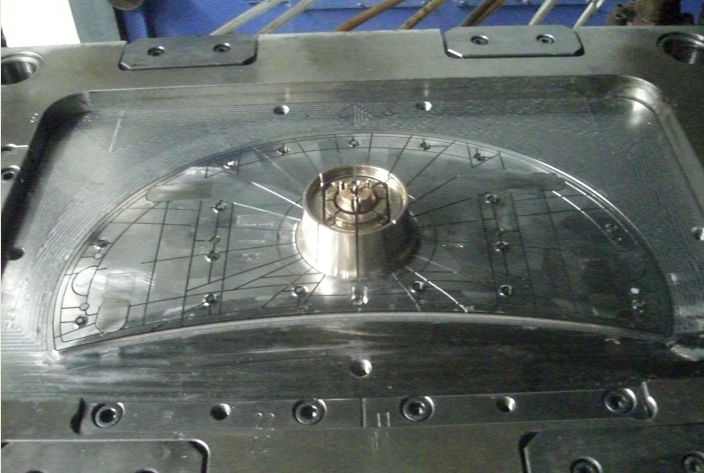
Electronic moulds (also known as electronic or smart injection moulds) are specialized moulds that integrate sensors, actuators, or other electronic components to monitor, control, or enhance the moulding process. These moulds are commonly used in high-precision industries such as automotive, medical, electronics, and consumer products. When designing electronic moulds, several factors must be taken into

Design Considerations for Electronic Moulds Read More »

Design Considerations for Automotive Moulds

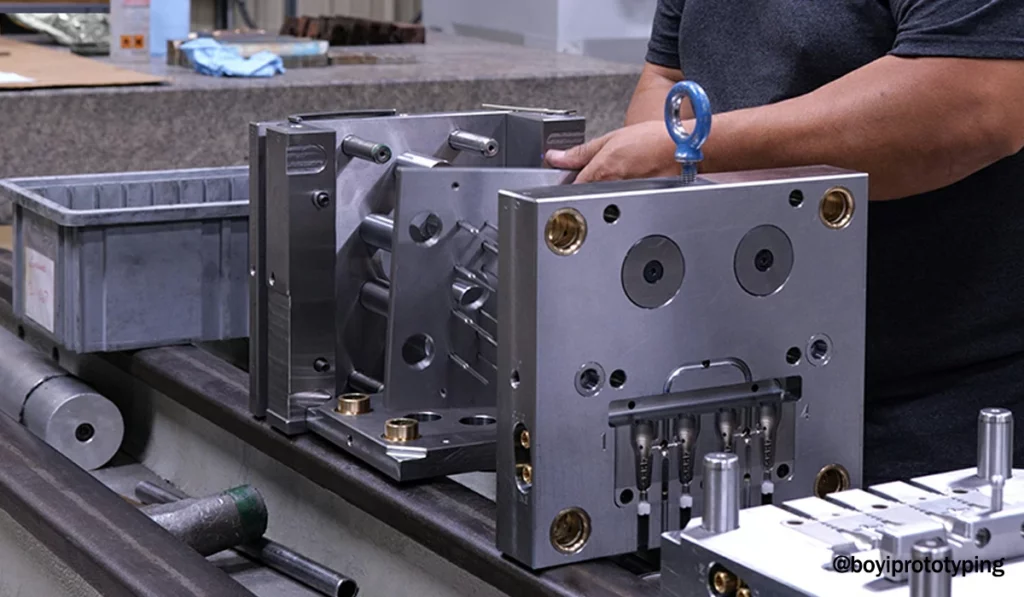
Automotive moulds are essential tools used in manufacturing a wide range of components such as bumpers, dashboards, door panels, lighting housings, and engine covers. The design of these moulds directly impacts part quality, production efficiency, and tooling lifespan. Therefore, a meticulous design approach is critical. 1. Material Selection Material choice influences durability, thermal performance, and

Design Considerations for Automotive Moulds Read More »

Introduction to Injection Moulding for Furniture

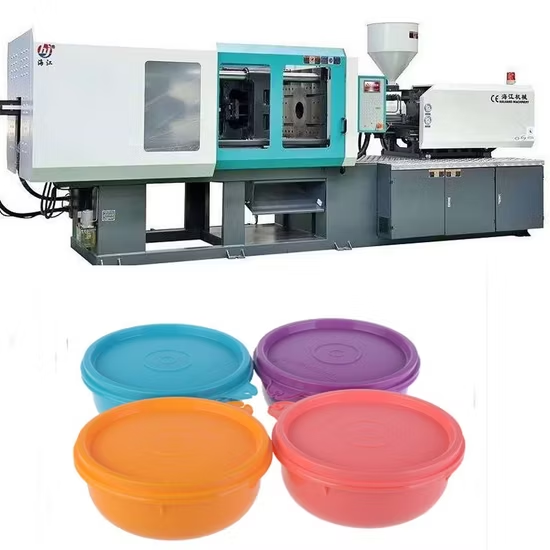
Injection moulding is a highly efficient and versatile manufacturing process used for producing plastic parts by injecting molten material into a mould. While it is commonly associated with small, precise components in industries like automotive and electronics, it has become increasingly significant in the furniture industry due to its ability to produce strong, lightweight, and

Introduction to Injection Moulding for Furniture Read More »

Role of Sensors in Electronic Moulds

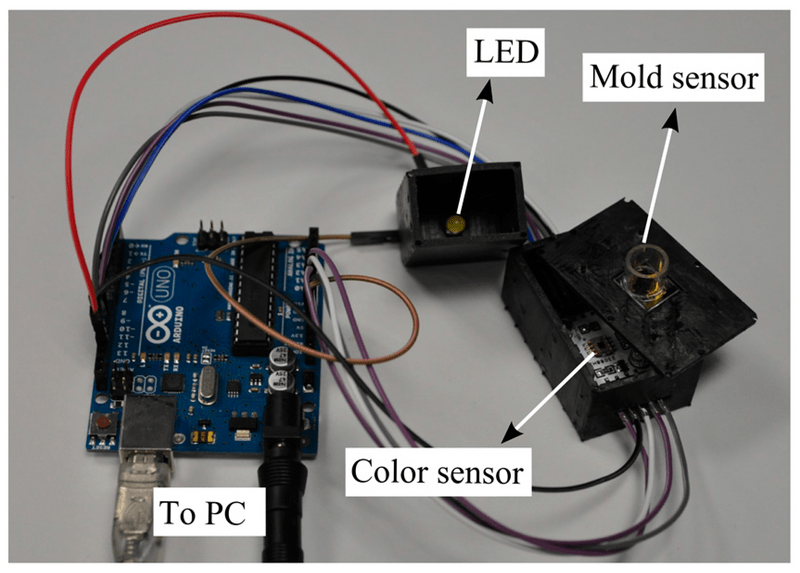
Electronic moulds are advanced tooling systems used in manufacturing processes like injection moulding, die casting, and thermoforming. These moulds integrate electronic components—especially sensors—to enhance precision, efficiency, and automation. Sensors play a critical role in ensuring product quality, process consistency, and equipment safety. 1. Process Monitoring and Control Sensors provide real-time data on various parameters during

Role of Sensors in Electronic Moulds Read More »

Injection Moulding vs Compression Moulding in Automotive Parts

Manufacturing automotive components involves choosing the right moulding process to meet requirements such as strength, weight, cost, and complexity. Injection moulding and compression moulding are two commonly used techniques, each with distinct advantages and limitations. 1. Overview of Processes Feature Injection Moulding Compression Moulding Process Molten thermoplastic or thermoset resin is injected into a closed

Injection Moulding vs Compression Moulding in Automotive Parts Read More »

Types of Plastic Furniture Made Using Moulds

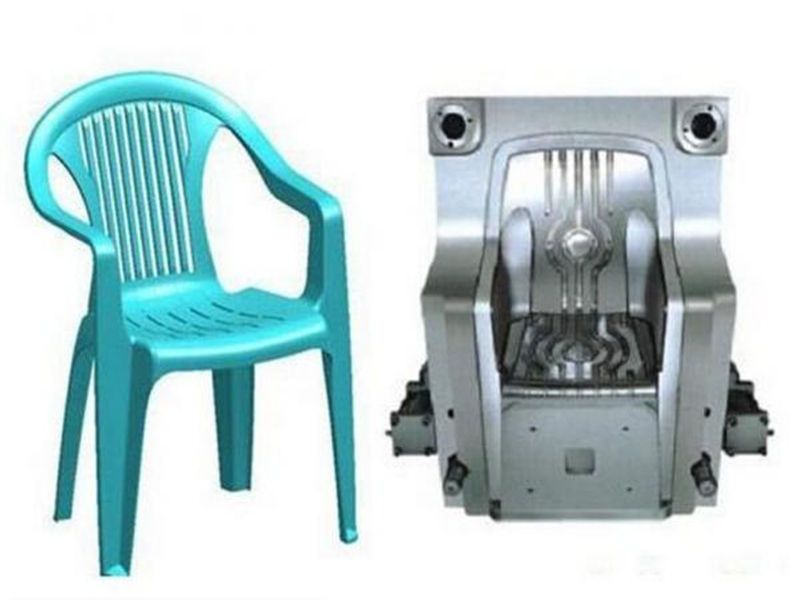
Plastic furniture has gained widespread popularity due to its durability, lightweight nature, affordability, and ease of production. One of the key manufacturing techniques used in producing plastic furniture is moulding—where molten or softened plastic is shaped into desired forms using moulds. Various types of plastic furniture are created using different moulding methods, catering to domestic,

Types of Plastic Furniture Made Using Moulds Read More »

Types of Moulds Used in Automobile Manufacturing

In the automotive industry, moulds play a crucial role in shaping and forming various vehicle components. These moulds are used in processes like injection molding, die casting, compression molding, and blow molding to manufacture both exterior and interior parts of vehicles. The selection of mould type depends on the component material, design complexity, production volume,

Types of Moulds Used in Automobile Manufacturing Read More »

Working Principle of Electronic Moulds

Electronic moulds are advanced mould systems used in injection moulding, die casting, and other forming processes. They integrate electronic components and sensors to monitor, control, and optimize the moulding process in real time. Their working principle is based on the seamless interaction between mechanical mould components and embedded electronic systems. Key Components of Electronic Moulds

Working Principle of Electronic Moulds Read More »

Scroll to Top