October 2025

Components of an Electronic Mould System

An Electronic Mould System (EMS) is an integrated system used in manufacturing processes, particularly in plastic injection moulding and die casting, to enhance productivity, ensure quality, and automate operations. The system comprises several electronic and electromechanical components working together to control and monitor the moulding cycle. 1. Mould Controller (Central Processing Unit) Function: Acts as […]

Components of an Electronic Mould System Read More »
Evolution of Moulding Technology in the Auto Industry

The automotive industry has seen a tremendous transformation over the last century, not just in design and performance, but also in the manufacturing technologies that make vehicles possible. Among these, moulding technology plays a critical role, enabling the production of precise, lightweight, and high-performance components. From early casting methods to today’s advanced injection moulding and

Evolution of Moulding Technology in the Auto Industry Read More »

Difference Between Traditional and Electronic Moulds

Traditional Moulds:Traditional moulds refer to physical tools or forms made from materials like wood, metal, or rubber, used in conventional manufacturing processes such as casting, injection moulding, or forming. These are manually or mechanically operated and often require skilled labor. Electronic Moulds:Electronic moulds are digitally designed and controlled moulds often integrated with computer-aided manufacturing (CAM)

Difference Between Traditional and Electronic Moulds Read More »

Role of Moulds in Automotive Manufacturing

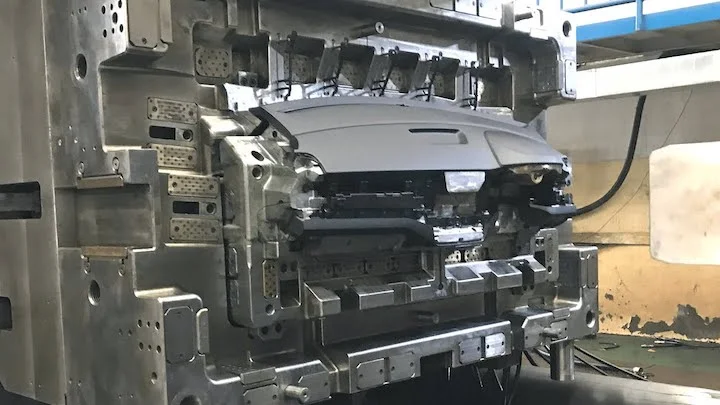
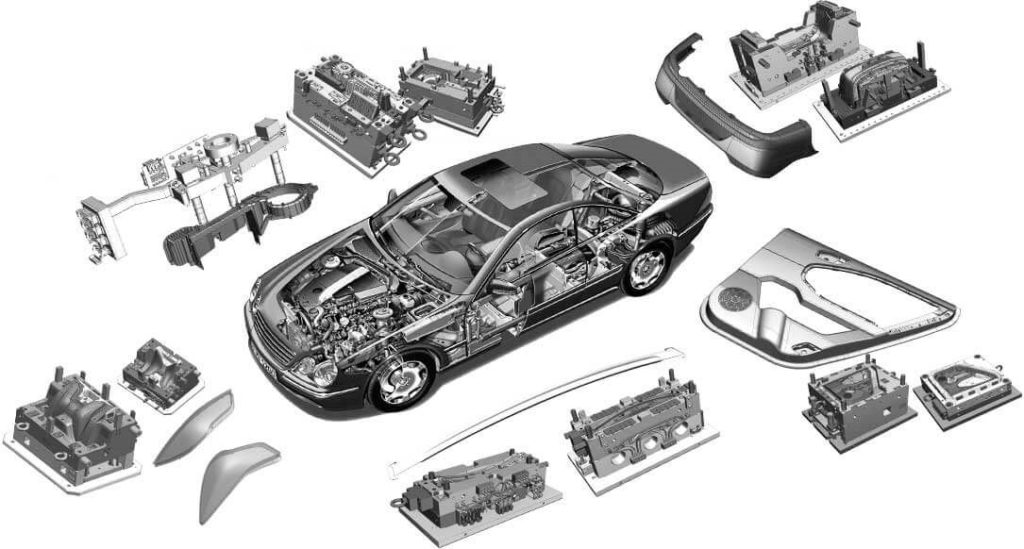
Moulds play a pivotal role in the automotive manufacturing industry by enabling the mass production of consistent, high-quality, and precisely engineered components. From plastic parts to metal castings, moulds are essential tools that support the industry’s drive for efficiency, cost-effectiveness, and innovation. 1. What Are Moulds in Manufacturing? Moulds are hollow cavities into which materials

Role of Moulds in Automotive Manufacturing Read More »

The Role of Moulds in Modern Furniture Manufacturing

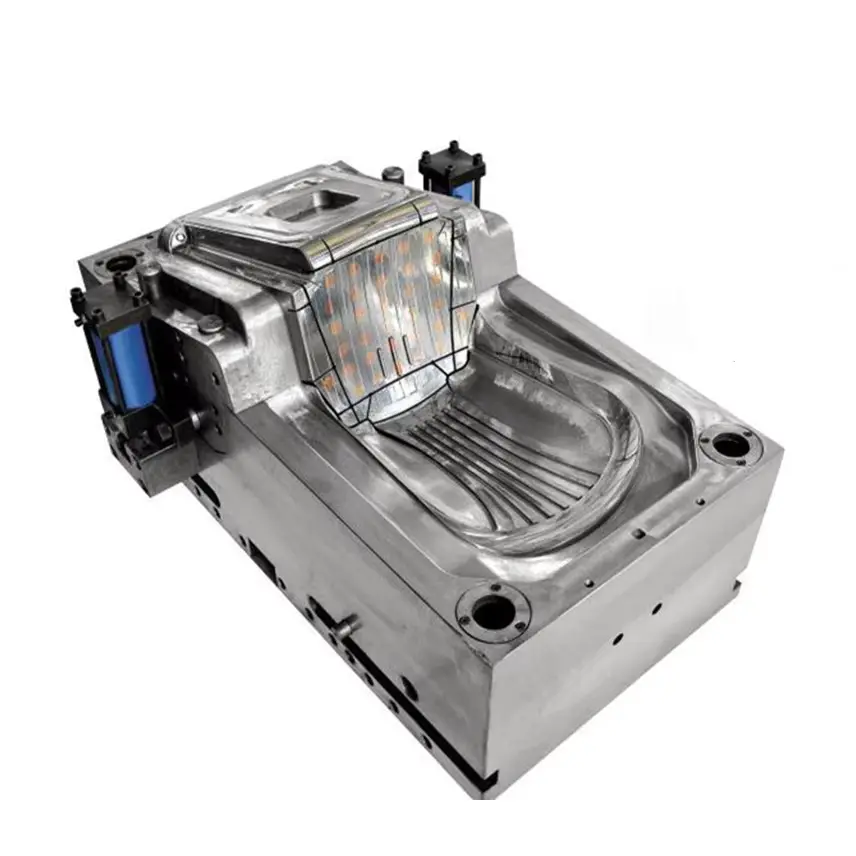
In today’s competitive and fast-paced furniture industry, moulds have become essential tools for achieving efficiency, consistency, and innovation. From mass production to high-end design, moulds play a central role in shaping how modern furniture is made, especially in materials like plastic, foam, metal, and even engineered wood. 1. What Are Moulds in Furniture Manufacturing? Moulds

The Role of Moulds in Modern Furniture Manufacturing Read More »

Introduction to Electronic Moulds

Electronic moulds represent a modern advancement in manufacturing, where traditional moulding techniques are integrated with electronic systems to enhance precision, control, and efficiency. These moulds are particularly useful in industries that require high levels of accuracy, automation, and monitoring, such as electronics, automotive, medical devices, and consumer goods. What are Electronic Moulds? Electronic moulds are

Introduction to Electronic Moulds Read More »

Introduction to Automobile Moulds

Automobile moulds play a crucial role in the manufacturing of modern vehicles. They are precision-engineered tools used to shape and form various automotive components, ensuring consistency, accuracy, and efficiency in mass production. From interior trims to exterior body panels, moulds are essential for producing parts with exact specifications, high durability, and aesthetic appeal. What Are

Introduction to Automobile Moulds Read More »

AI and Machine Learning in Die Design Optimization

Die design plays a critical role in manufacturing processes such as metal forming, injection molding, and die casting. The quality, efficiency, and cost-effectiveness of the final product are heavily influenced by how well the die is designed. Traditionally, die design has relied on expert knowledge, trial-and-error methods, and computational simulations like Finite Element Analysis (FEA).

AI and Machine Learning in Die Design Optimization Read More »

Sustainability Considerations in Die Design and Manufacturing

Introduction As global industries face increasing pressure to reduce their environmental footprint, sustainable manufacturing practices have become a crucial priority. In metal forming and die design, sustainability involves optimizing material usage, reducing energy consumption, and minimizing waste throughout the product lifecycle. Incorporating sustainability in die design not only supports environmental goals but also improves operational

Sustainability Considerations in Die Design and Manufacturing Read More »

Scroll to Top