Author name: admin

Die alignment issues and correction methods

1. Introduction In manufacturing processes such as stamping, forging, injection molding, and die casting, the proper alignment of the die is critical to ensure high-quality output and minimize defects. Misalignment between the die halves or between the die and the press/fixture can lead to dimensional inaccuracies, surface defects, and increased wear of tools. Understanding die […]

Die alignment issues and correction methods Read More »

Additive Manufacturing (3D Printing) of Die Components

Additive Manufacturing (AM), commonly known as 3D printing, is revolutionizing the design and fabrication of die components in the tooling industry. Traditionally, die components—used in stamping, forging, injection molding, and die casting—are produced through subtractive methods like CNC machining, EDM (electrical discharge machining), and grinding. However, AM offers a powerful alternative by enabling layer-by-layer fabrication

Additive Manufacturing (3D Printing) of Die Components Read More »

Troubleshooting Flash, Sink Marks, and Short Shots

Injection molding defects can impact both the aesthetic and functional quality of a molded part. Three common issues are Flash, Sink Marks, and Short Shots. Understanding the root causes and corrective actions is critical for optimizing part quality, cycle time, and material usage. 1. Flash Definition:Flash is excess material that escapes from the mold cavity

Troubleshooting Flash, Sink Marks, and Short Shots Read More »

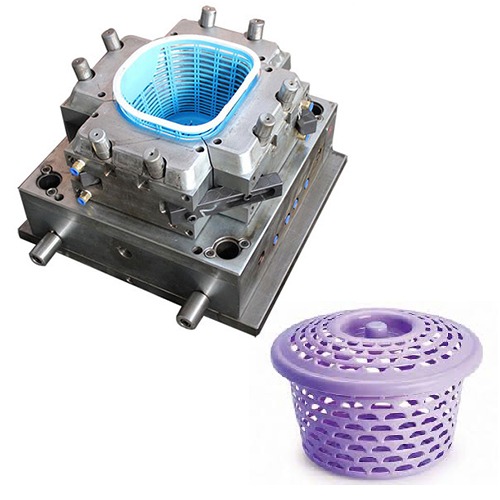
Refurbishment and repair of damaged houseware moulds

In the manufacturing of plastic houseware products—such as containers, kitchenware, storage bins, and household accessories—moulds play a critical role in ensuring quality, consistency, and efficiency. Over time, these moulds may experience wear and tear, damage, or degradation due to continuous use, high injection pressures, thermal stress, or improper handling. Rather than investing in new moulds,

Refurbishment and repair of damaged houseware moulds Read More »

Automation in Die and Mould Base Manufacturing

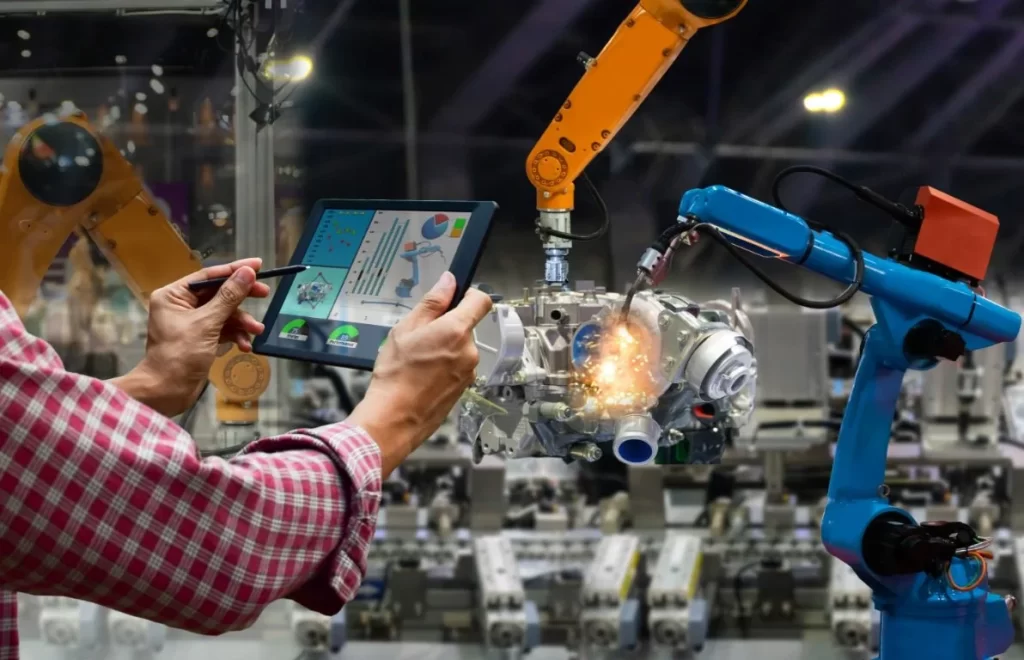
Introduction Die and mould base manufacturing is a critical process in various industries such as automotive, aerospace, electronics, and consumer goods. Traditionally labor-intensive and highly dependent on skilled machinists, this domain has been undergoing a significant transformation with the introduction of automation technologies. Automation in die and mould base manufacturing enhances precision, reduces production time,

Automation in Die and Mould Base Manufacturing Read More »

Mould Flow Analysis Interpretation

1. Introduction Mould Flow Analysis (MFA) is a computer-aided engineering simulation used to predict how molten plastic will flow during the injection moulding process. Proper interpretation of mould flow results is essential to ensure part quality, reduce manufacturing defects, and optimize mould design and processing conditions. 2. Objectives of Mould Flow Analysis Predict material flow

Mould Flow Analysis Interpretation Read More »

Storage and handling best practices for dies

Dies are precision tools critical to manufacturing operations, especially in stamping, forging, extrusion, and molding. Proper storage and handling are essential to protect them from damage, corrosion, and misalignment, thereby ensuring consistent product quality and extended die life. 1. Importance of Proper Die Storage and Handling Maintains dimensional accuracy and surface integrity Prevents costly damage

Storage and handling best practices for dies Read More »

Maintenance and Repair of Dies and Mould Bases

Dies and mould bases are critical components in manufacturing processes such as injection moulding, die casting, and metal stamping. They must consistently produce parts with high precision and repeatability. Over time, however, these components are subject to wear, corrosion, misalignment, and damage due to mechanical and thermal stresses. Proper maintenance and timely repair are essential

Maintenance and Repair of Dies and Mould Bases Read More »

Lubrication and wear monitoring of dies

1. Introduction Dies are critical tooling components used in various manufacturing processes such as stamping, forging, extrusion, and die casting. The performance and longevity of dies directly affect product quality, production efficiency, and maintenance costs. Therefore, effective lubrication and wear monitoring of dies are essential for ensuring optimal performance, reducing downtime, and extending tool life.

Lubrication and wear monitoring of dies Read More »

Scroll to Top