October 2025

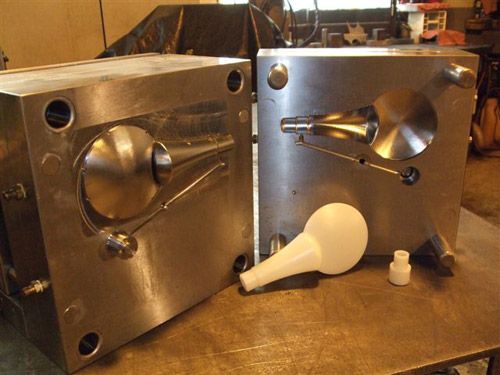
Die Design for Recycled Plastic Moulding

1. Introduction Recycled plastic moulding is an increasingly important manufacturing process, driven by global environmental concerns and sustainability efforts. Designing dies specifically for recycled plastics presents unique challenges and opportunities compared to virgin materials. The variability in material properties, contamination, and flow behavior require careful consideration during die design to ensure product quality, performance, and […]

Die Design for Recycled Plastic Moulding Read More »
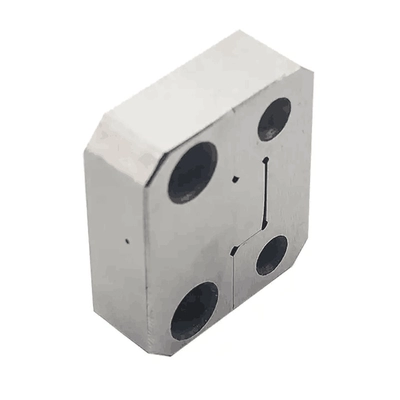
Challenges in Micro-Moulding Die Bases

Micro-moulding is a highly specialized manufacturing process used to produce extremely small, precise components often used in medical devices, electronics, automotive sensors, and micro-optics. The die base, which holds and aligns the mould components, plays a critical role in achieving the precision and repeatability required in micro-moulding. However, several unique challenges arise when designing and

Challenges in Micro-Moulding Die Bases Read More »

Die Standards (DME, HASCO, MISUMI, etc.)

In the field of tool and die making, particularly for injection molds, stamping dies, and die casting tools, standardization plays a crucial role in ensuring interchangeability, efficiency, and cost-effectiveness. Several global manufacturers provide standard components and guidelines for die and mold construction. Among the most prominent are DME, HASCO, and MISUMI. 1. DME (Detroit Mold

Die Standards (DME, HASCO, MISUMI, etc.) Read More »

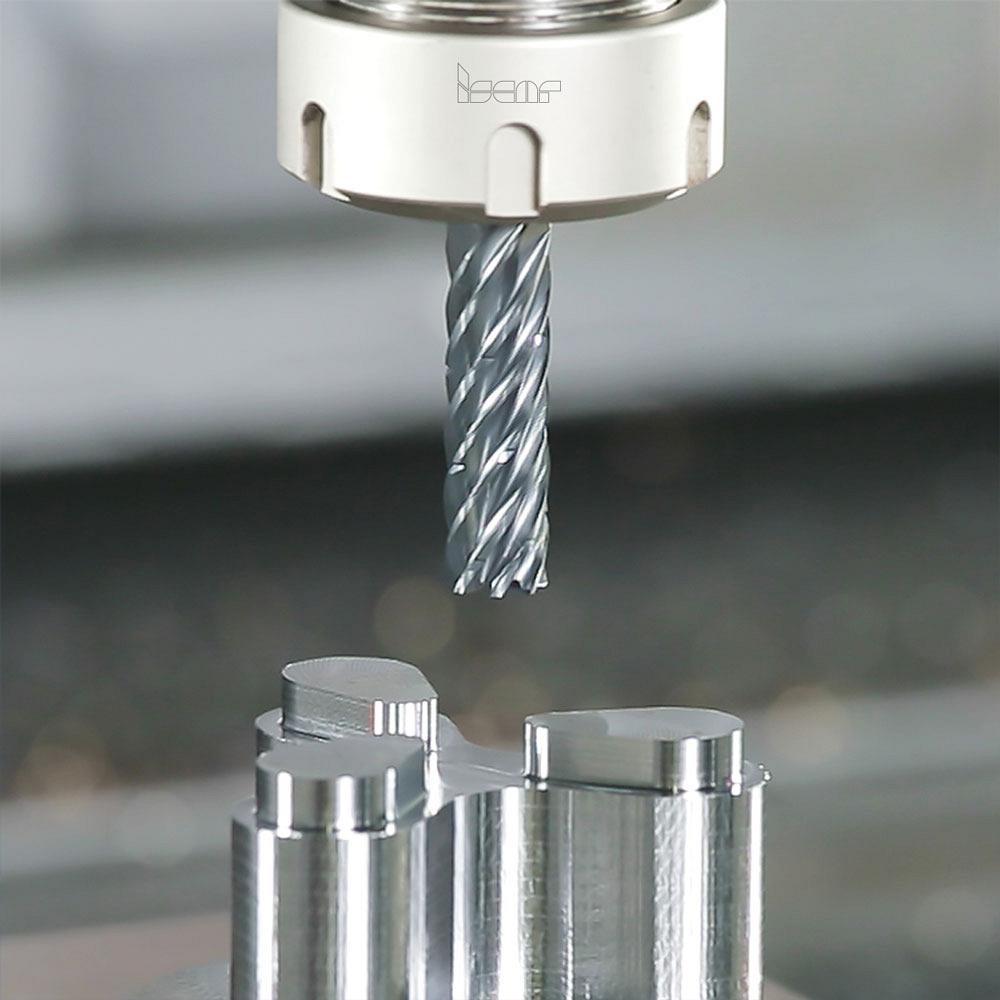
Advances in high-speed machining for die making

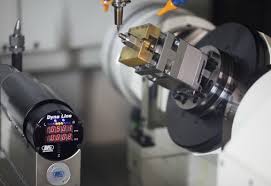
High-speed machining (HSM) has revolutionized the die-making industry by enabling faster production, improved surface quality, and extended tool life. Die making, a critical process in the manufacturing of molds for casting, forging, and injection molding, benefits significantly from the continuous technological advancements in HSM. Below is a comprehensive look at the recent advances in high-speed

Advances in high-speed machining for die making Read More »

Die Life Cycle Management

Die Life Cycle Management (DLCM) refers to the systematic approach to managing the entire life span of a die — from its initial design and manufacturing through its use in production, maintenance, refurbishment, and eventual retirement or disposal. This process ensures optimal performance, maximized tool life, reduced downtime, and cost-efficiency in manufacturing operations, particularly in

Die Life Cycle Management Read More »

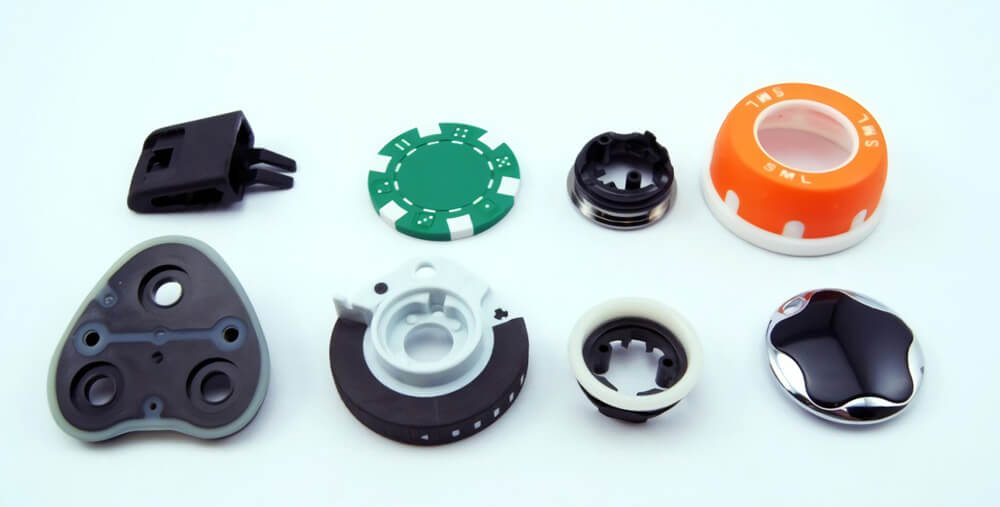
Two-Shot (Multi-Material) Injection Moulds

Two-shot injection moulding, also known as multi-material or dual-shot moulding, is an advanced manufacturing process where two different materials or two different colors of the same material are injected into a single mould during two separate, consecutive injection cycles. The result is a single, multi-material component with enhanced functionality, appearance, or performance. How It Works:

Two-Shot (Multi-Material) Injection Moulds Read More »

Sustainability in Die and Mould Manufacturing

Sustainability in die and mould manufacturing refers to the adoption of environmentally responsible practices, materials, and technologies throughout the design, production, and lifecycle of dies and moulds. As global industries face growing pressure to reduce carbon footprints and comply with environmental regulations, die and mould manufacturers are increasingly focusing on sustainable operations without compromising on

Sustainability in Die and Mould Manufacturing Read More »

Collapsible Core Moulds

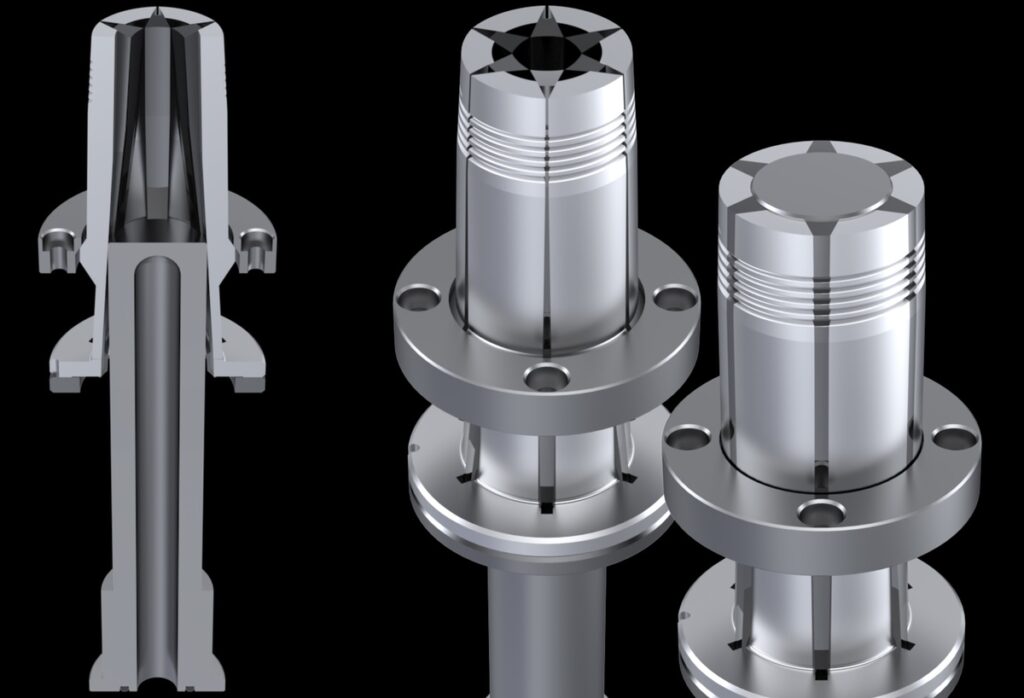
Collapsible core moulds are specialized tooling components used in injection moulding to produce undercuts or complex internal features in plastic parts, which cannot be demoulded using traditional straight-pull moulds. These cores collapse inward after moulding to allow easy ejection of the part. Purpose and Application: In plastic part design, internal features such as threads, grooves,

Collapsible Core Moulds Read More »

Challenges in mass production of houseware moulds

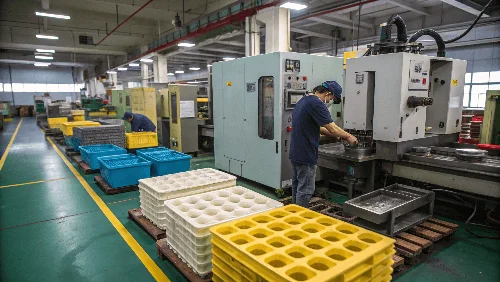
Mass production of houseware moulds—used in manufacturing everyday items like kitchen utensils, storage containers, and plastic household products—plays a crucial role in the consumer goods industry. However, this process presents a variety of technical, logistical, and economic challenges. Below are some of the key issues faced in this field: 1. Design Complexity and Customization Frequent

Challenges in mass production of houseware moulds Read More »

Scroll to Top